
This type of vote is normally submitted by mail to the board of elections.
This option is typically available to individuals who are unable to attend their local voting location due to reasons such as travel, illness, disability, or military service.
The process involves requesting the ballot, either online or by mail, filling it out according to the instructions, and then returning it by a specified deadline.
Some jurisdictions also provide secure drop-off locations for absentee ballots.
The use of absentee ballots enhances the accessibility of the voting process and ensures that those who are unable to vote in person can still have their voices heard in an election.
It’s an integral part of many democratic systems, reflecting a commitment to inclusivity and participation in the electoral process.
It also reaffirms the “one man, one vote” philosophy.
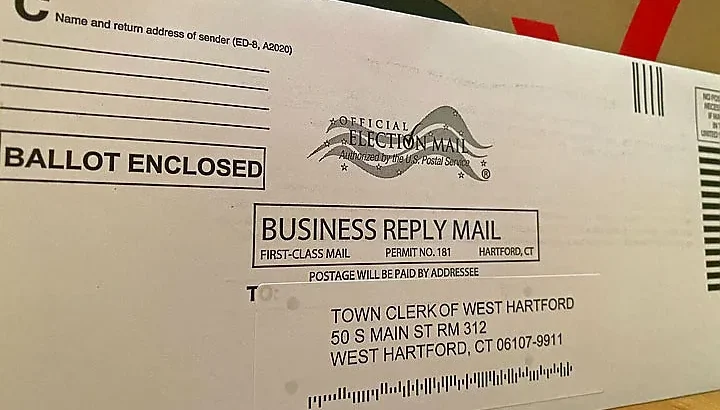
Increasing the ease of access to absentee ballots are seen by many as one way to improve voter turnout, though some jurisdictions require that a valid reason, such as sickness or travel, be given before a voter can participate in an absentee ballot.
Critics of the process worry about ballot box stuffing or other shenanigans.
Use of “Absentee Ballot” in a sentence
CBS News Miami: “Time is running out for people who want to vote by mail with an absentee ballot.”
Georgia Recorder: “Elections Director Blake Evans said he encourages voters to be proactive if they want to cast an absentee ballot and make sure they’re following all the necessary steps.”
NBC News: “By World War II, every state let soldiers vote remotely and the military was responsible for about 3.2 million absentee ballots cast, which amounted to nearly seven percent of the total electorate in the 1944 presidential election, when Franklin Delano Roosevelt won a fourth term in the White House.”