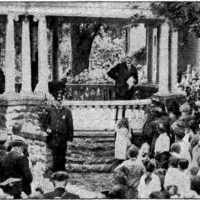
Front-Porch Campaign
A “front-porch campaign” is one in which the candidate stays close to home throughout the election race.
Instead of crisscrossing the country to woo voters, …

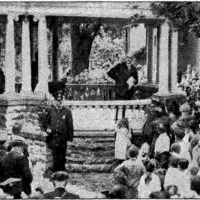
A “front-porch campaign” is one in which the candidate stays close to home throughout the election race.
Instead of crisscrossing the country to woo voters, …
Talking points refer to the carefully crafted messages, statements, or ideas that politicians, political parties, or interest groups use to convey their opinions, policy positions, …
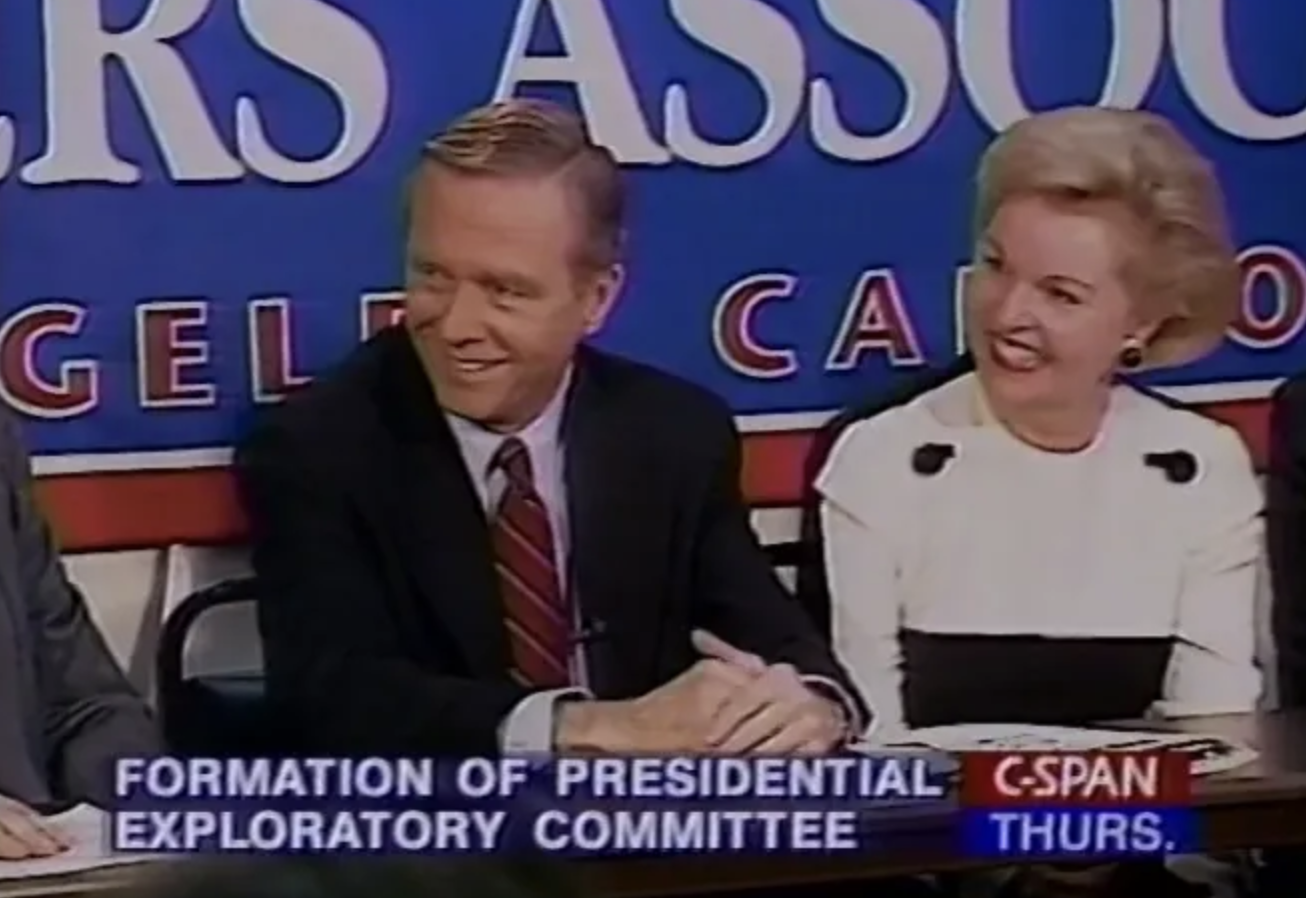
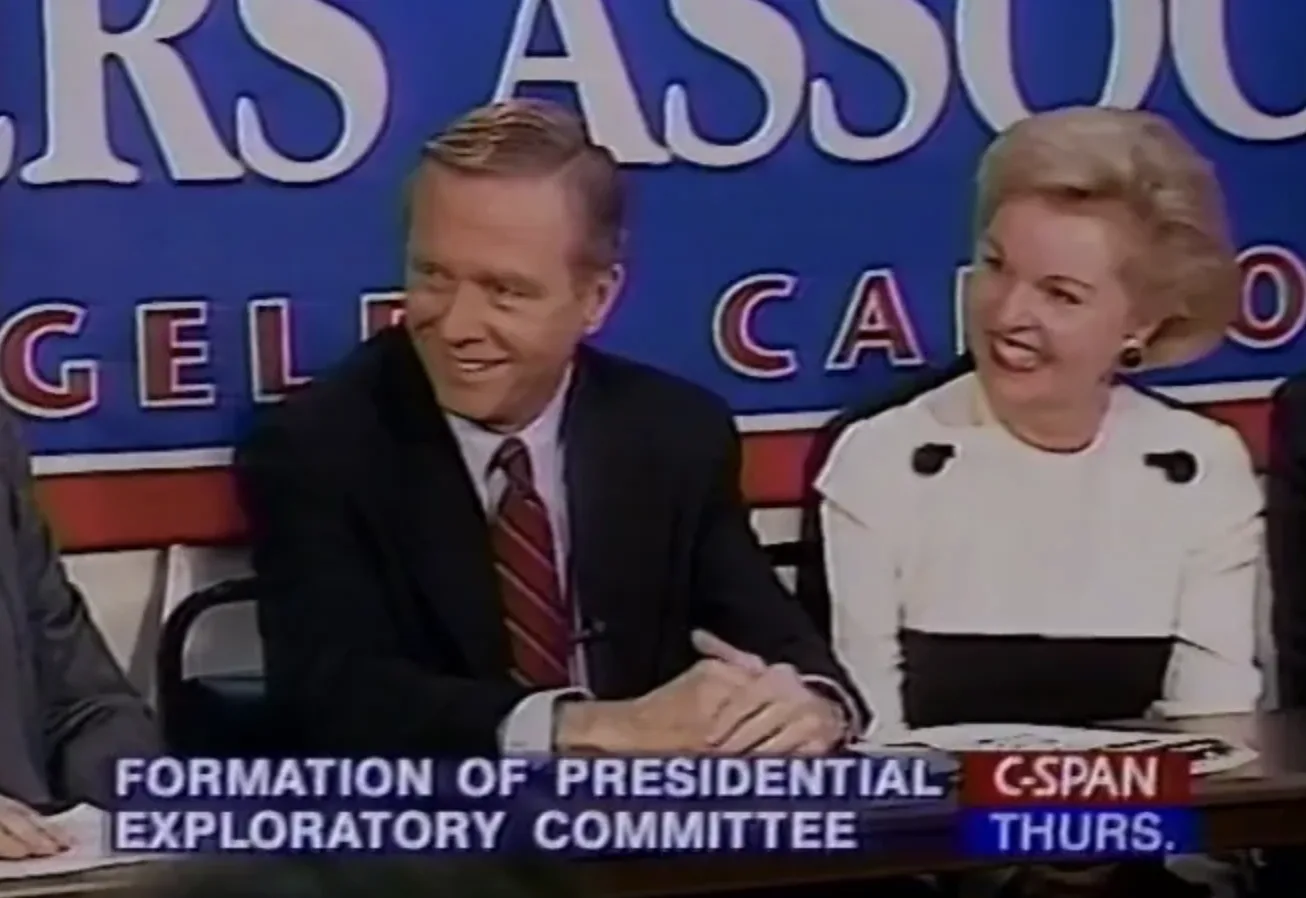
An exploratory committee is a preliminary organizational structure that potential candidates establish to assess the viability of their candidacy before officially entering the presidential race.…
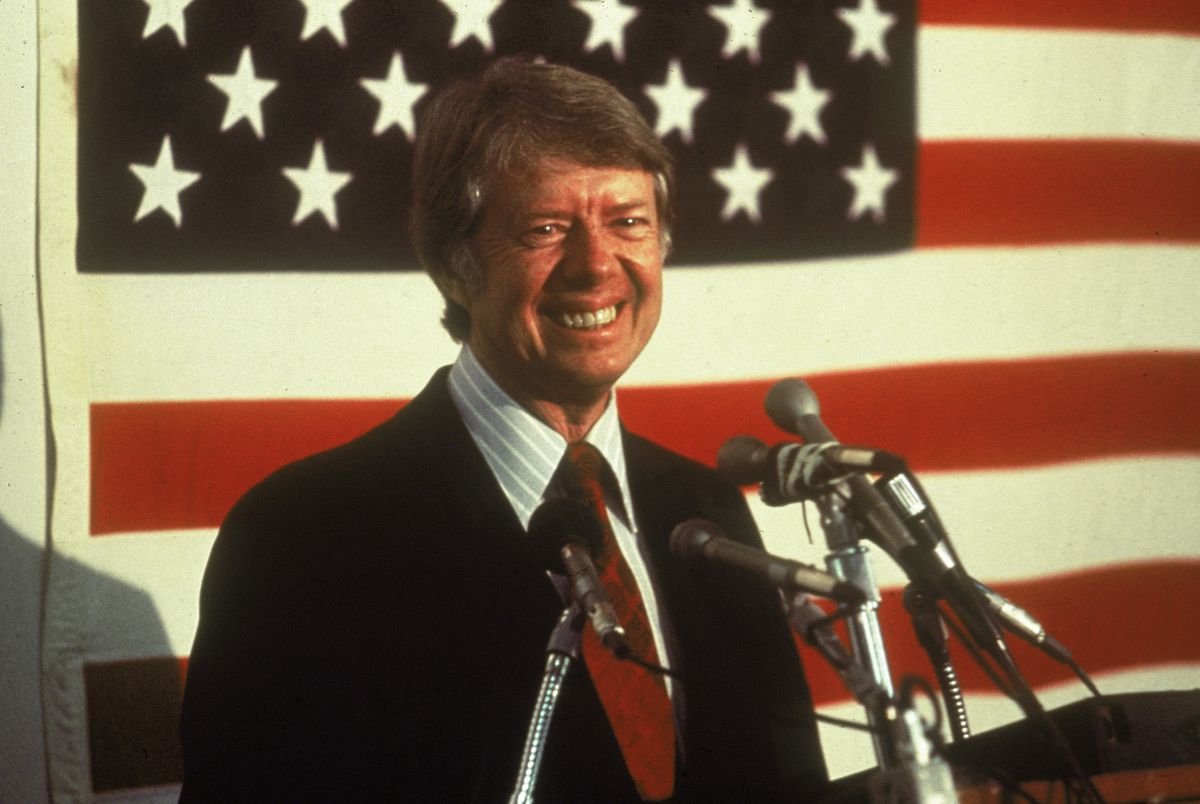
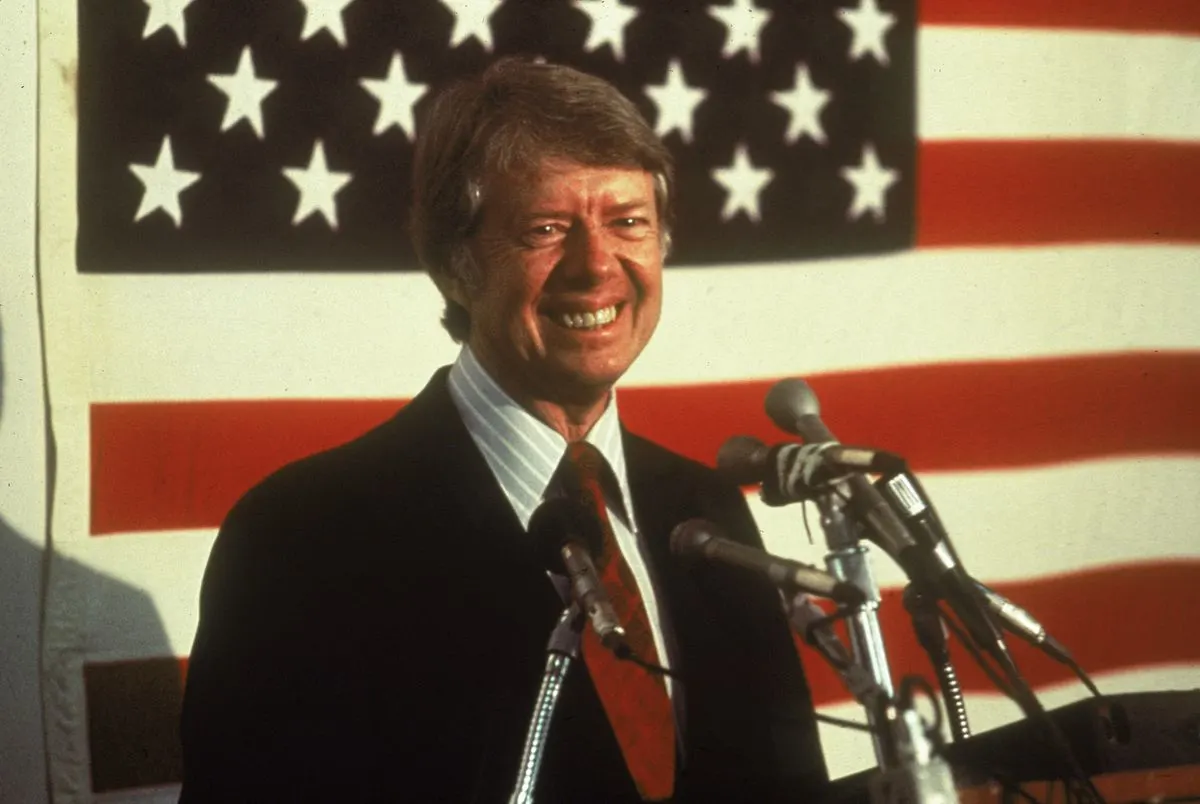
An invisible primary begins when a candidate formally announces their plans to run for office.
It’s an opportunity to find out how much support they …
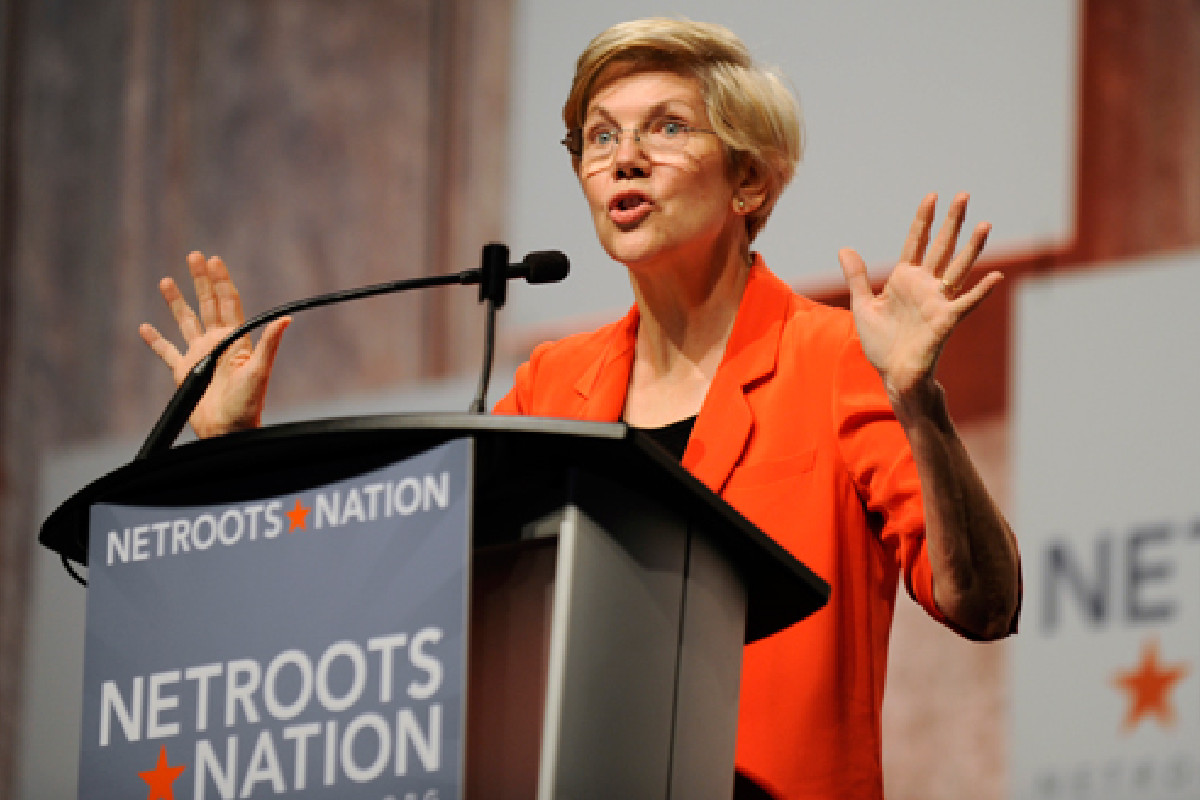
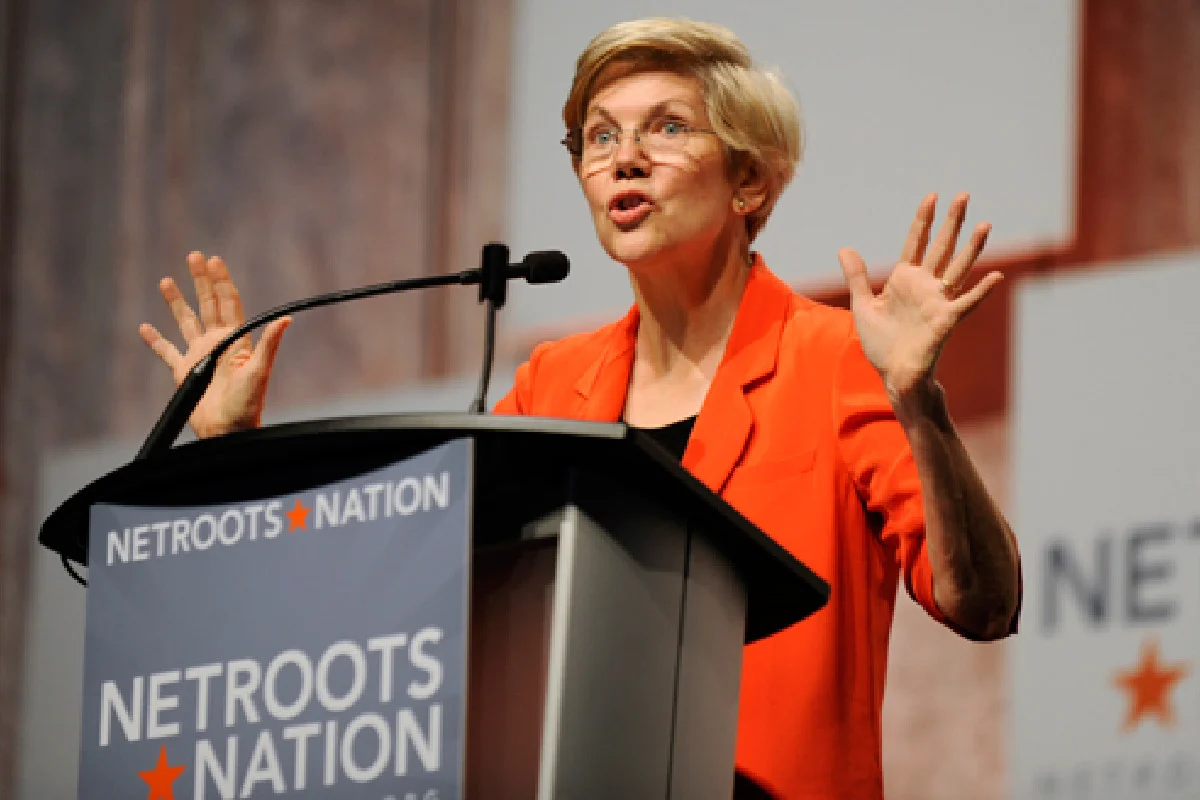
“Netroots” is grassroots political activism organized through blogs and other online social media.
Netroots activism emerged as a powerful force in U.S. politics during the …
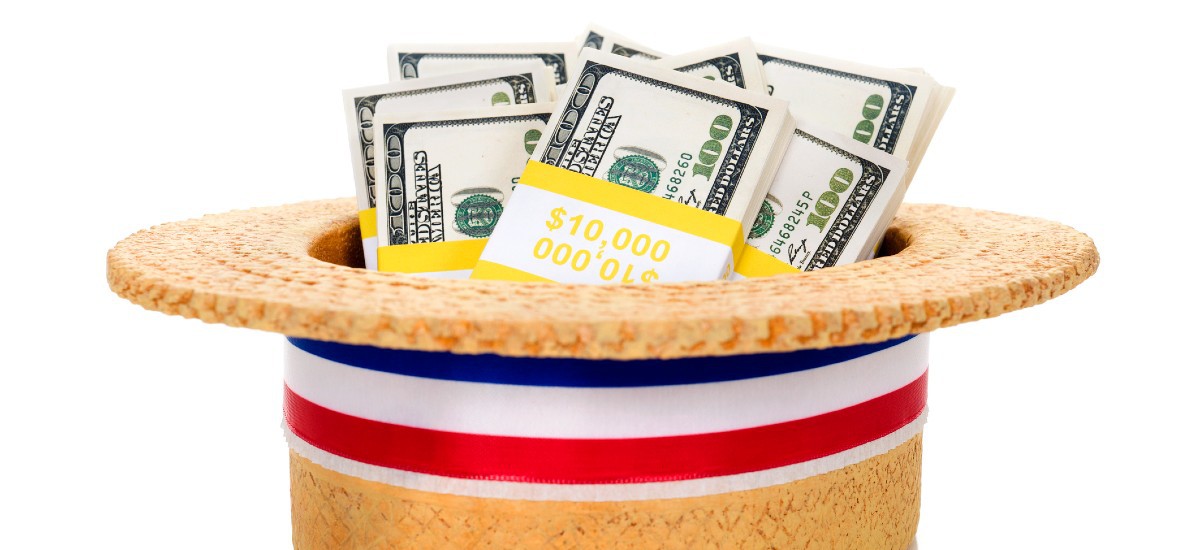
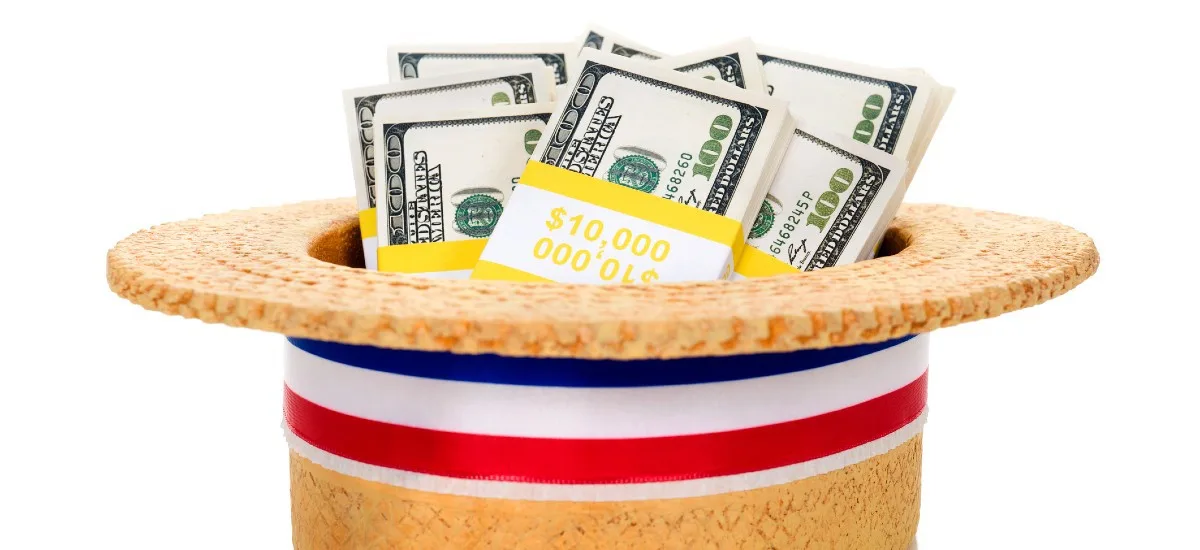
“Bundling” refers to the practice of collecting contributions from multiple donors and submitting them to a political campaign or political action committee (PAC) as a …
A “straw donor” is an individual who illegally uses another person’s money to make a political contribution in their own name.
This practice is considered …
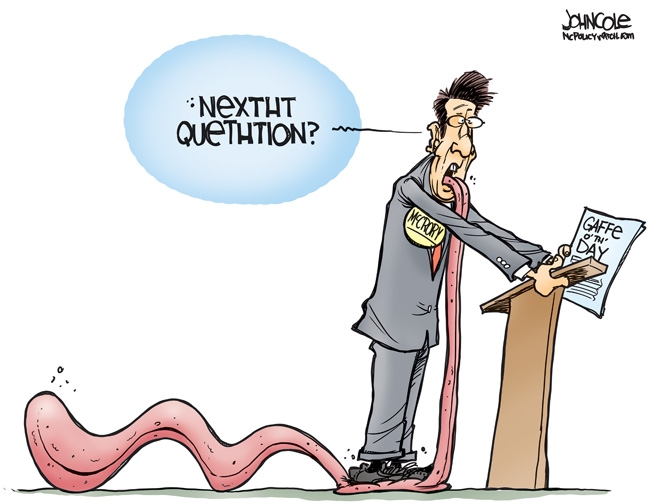
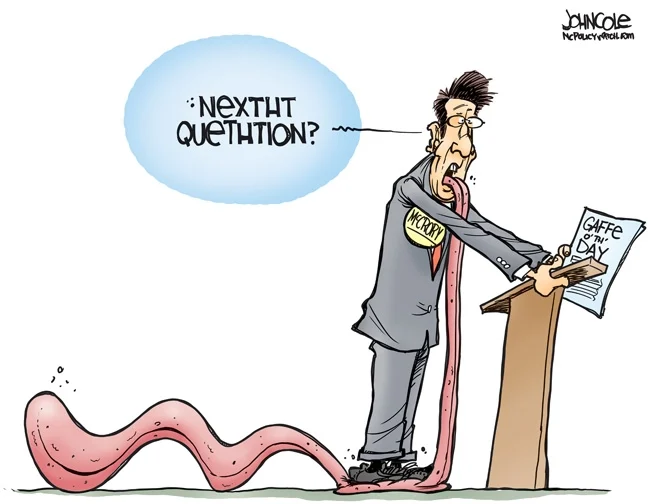
A “gaffe” is an unintentional comment that causes a politician embarrassment.
The term is often used to describe a inartful comment or a misstatement that
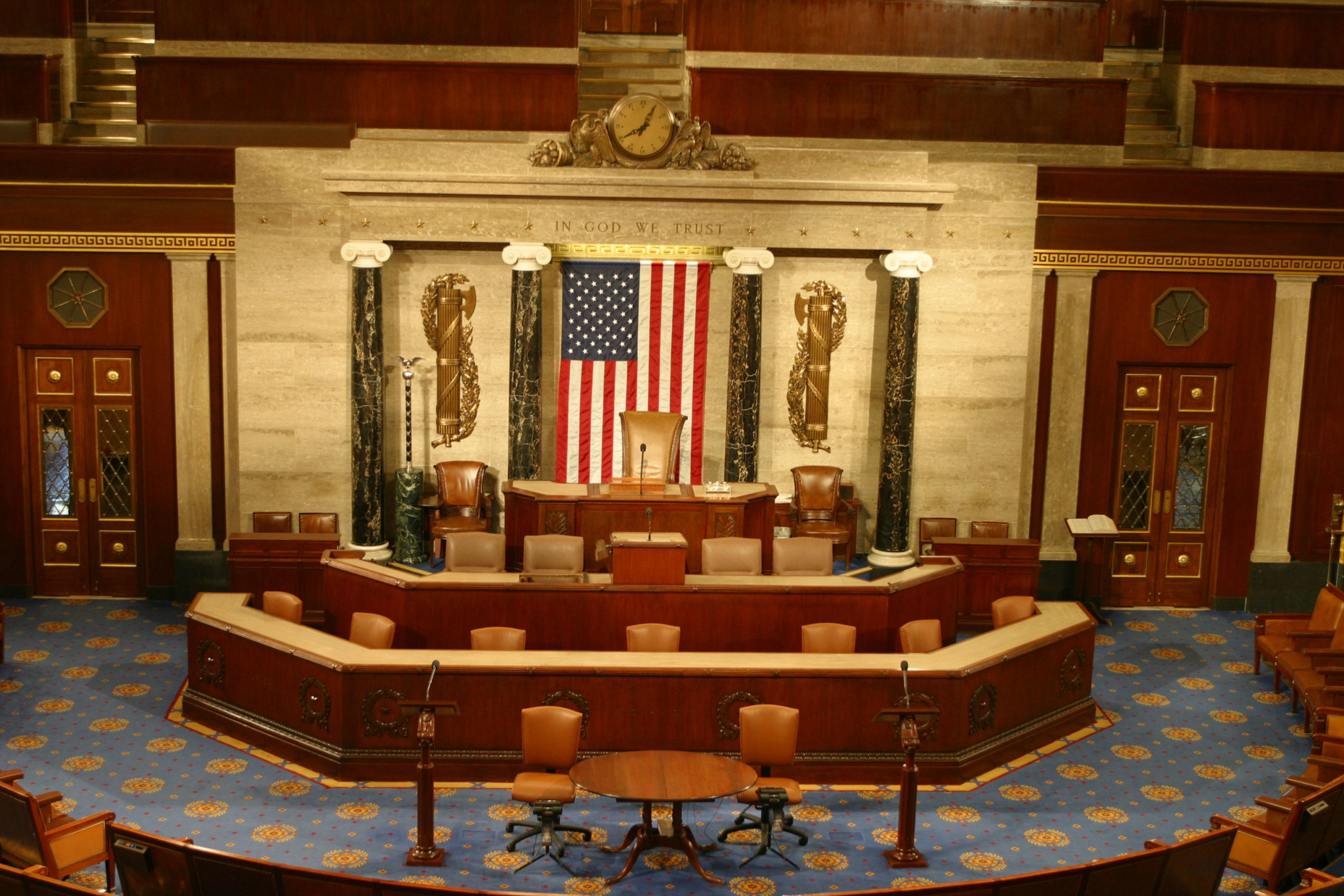
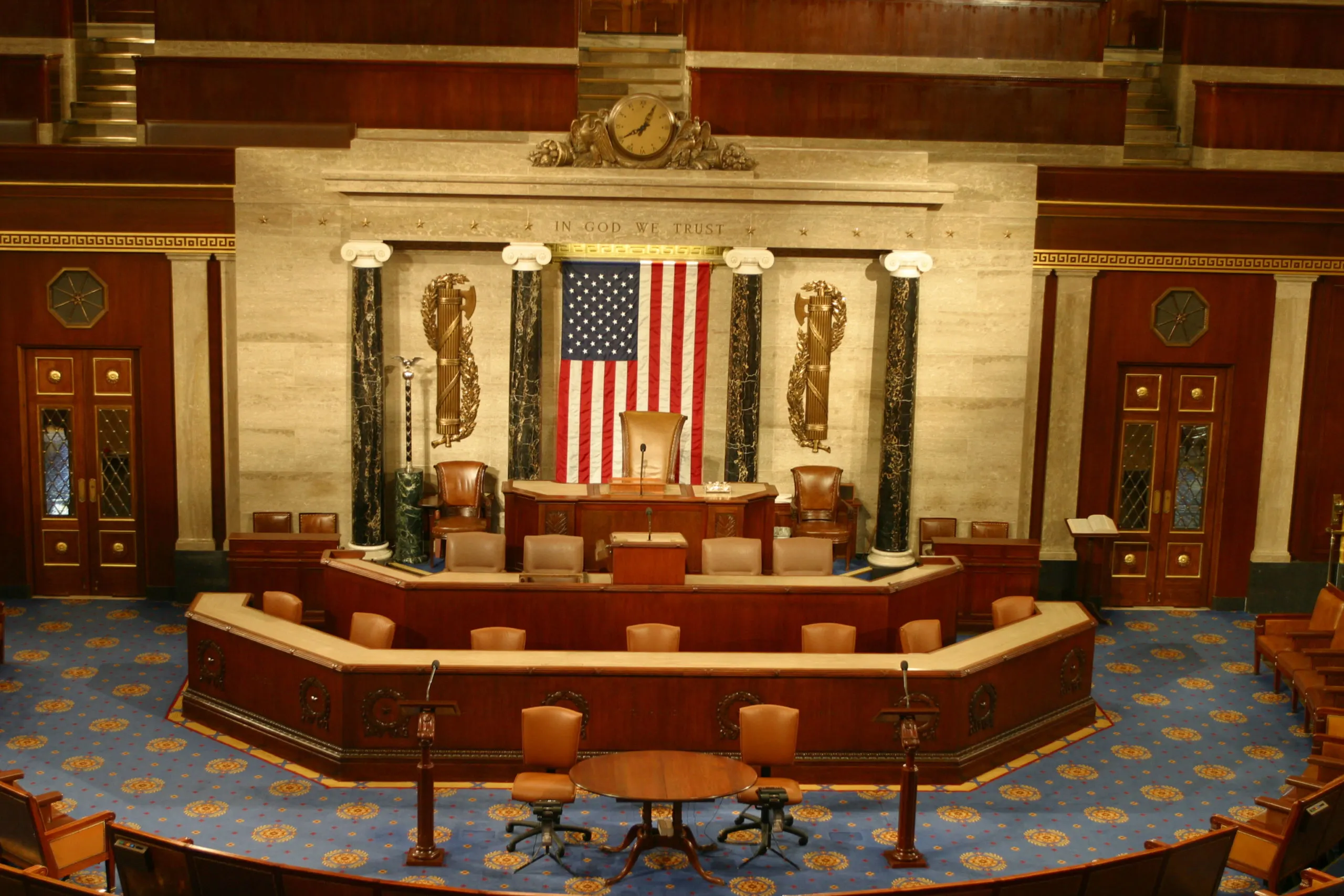
The “well” refers to the area at the front of the chamber where the Speaker of the House of Representatives and other leaders of the …
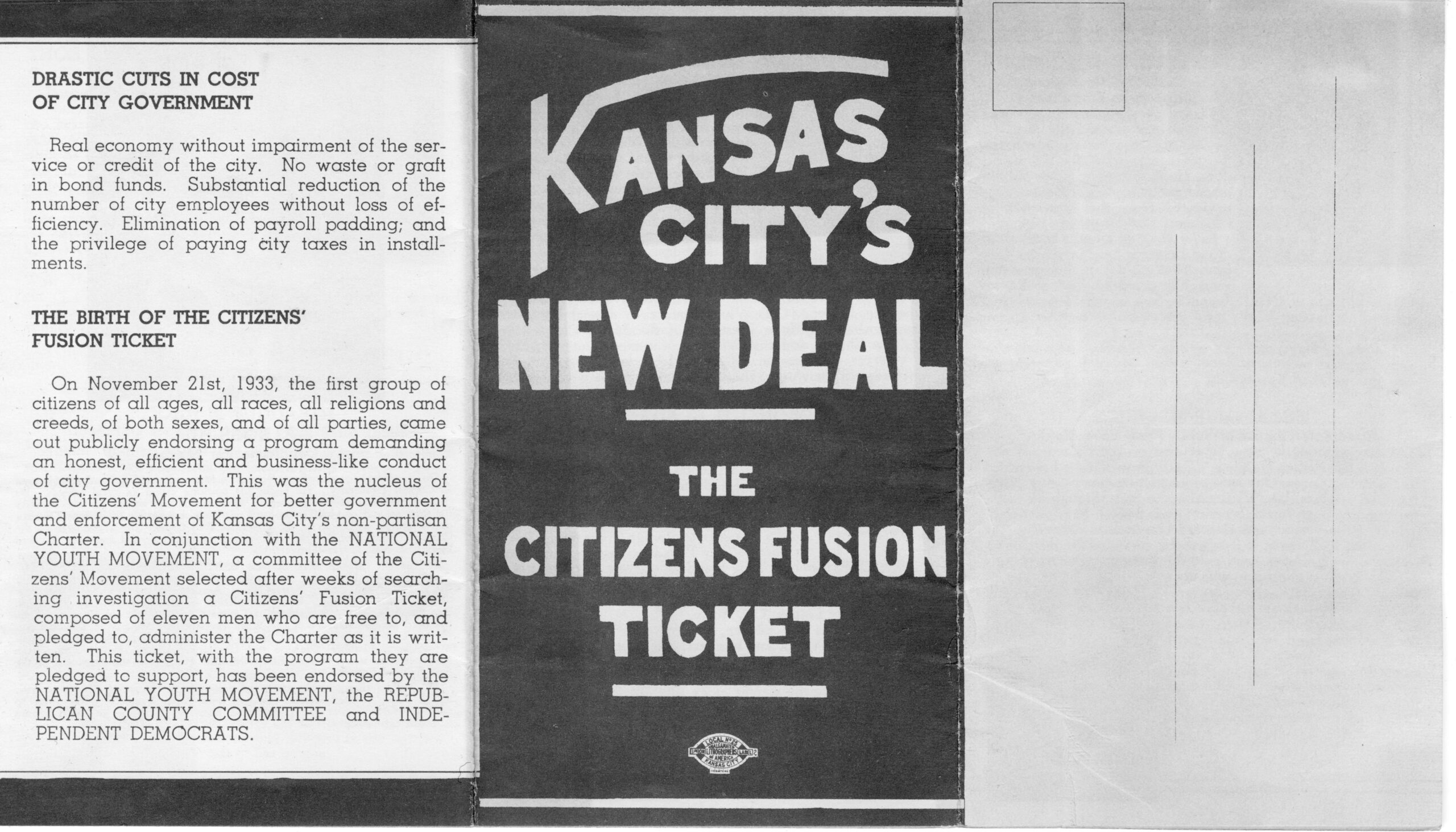
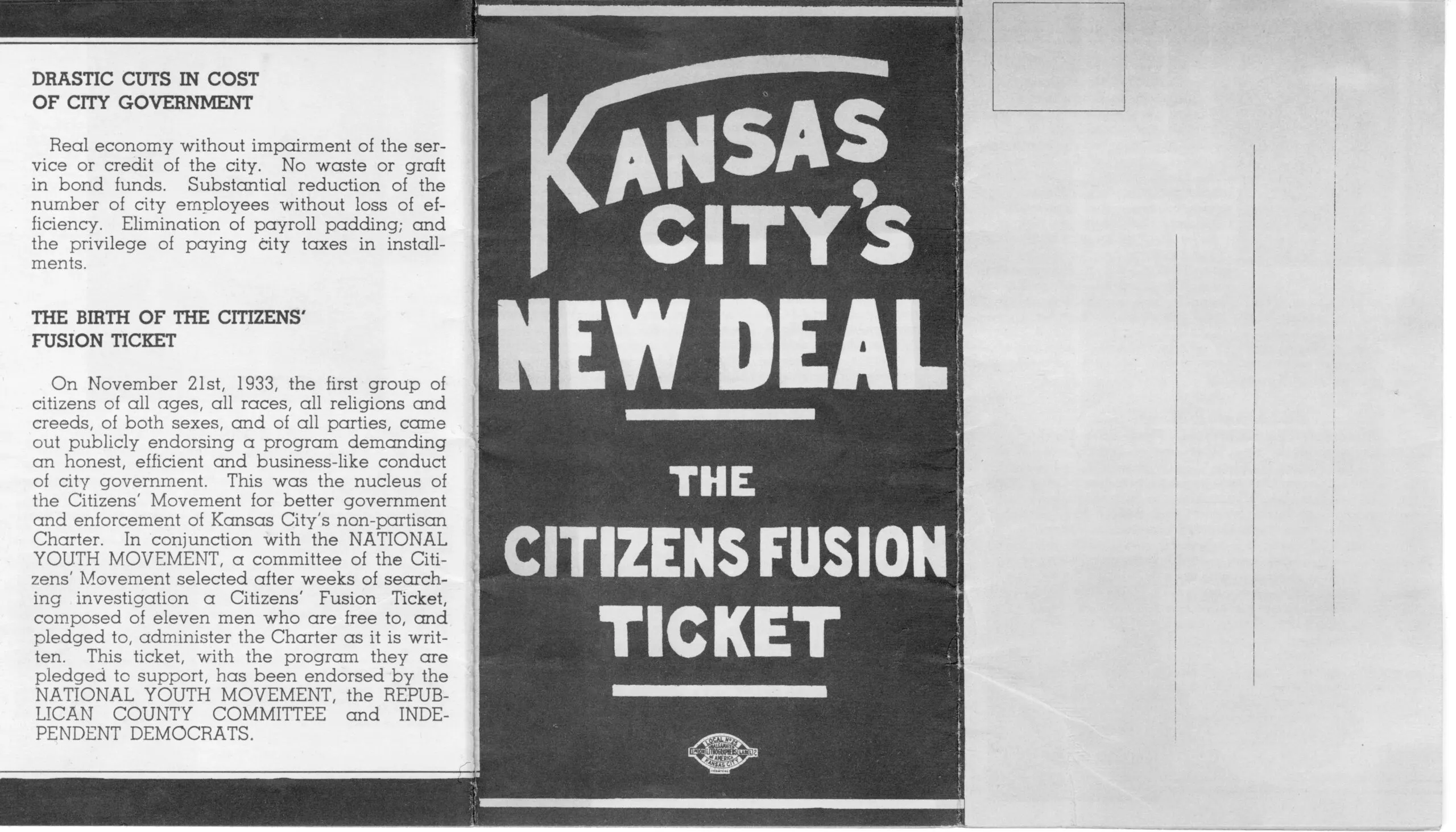
A “fusion ticket” is a strategy where two or more political parties endorse the same candidate for an elected office.
It’s sometimes referred …
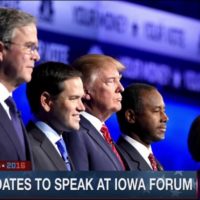
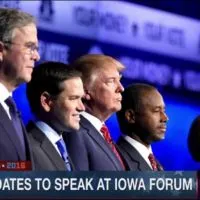
A “cattle call” is a public event at which a big group of candidates for public office all speak.
The term comes from the acting …
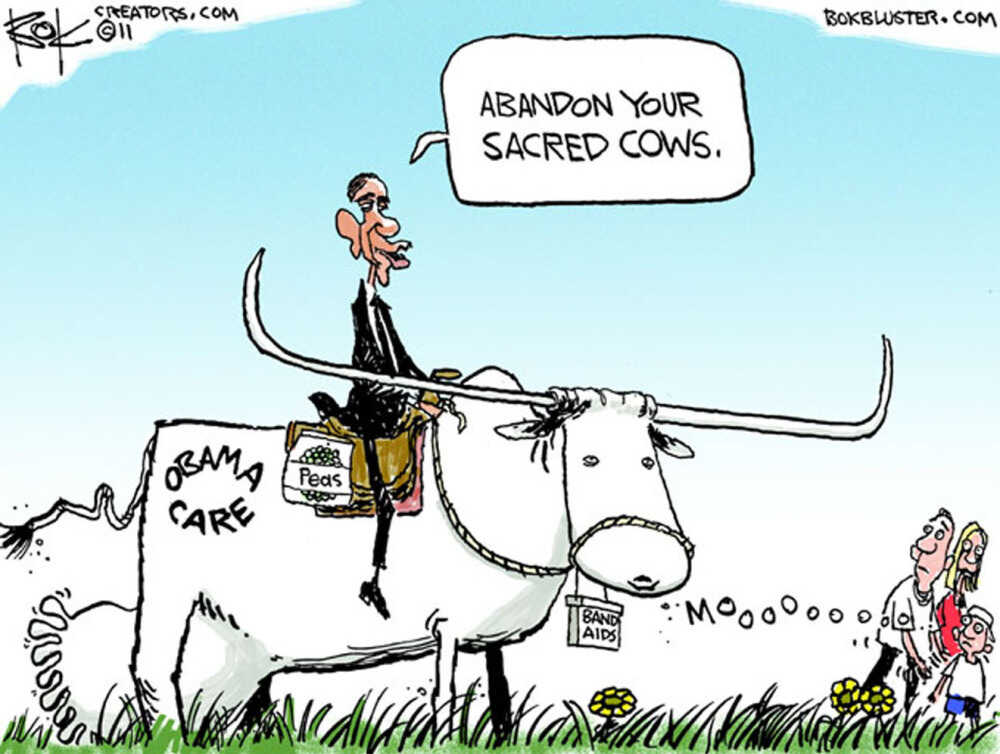
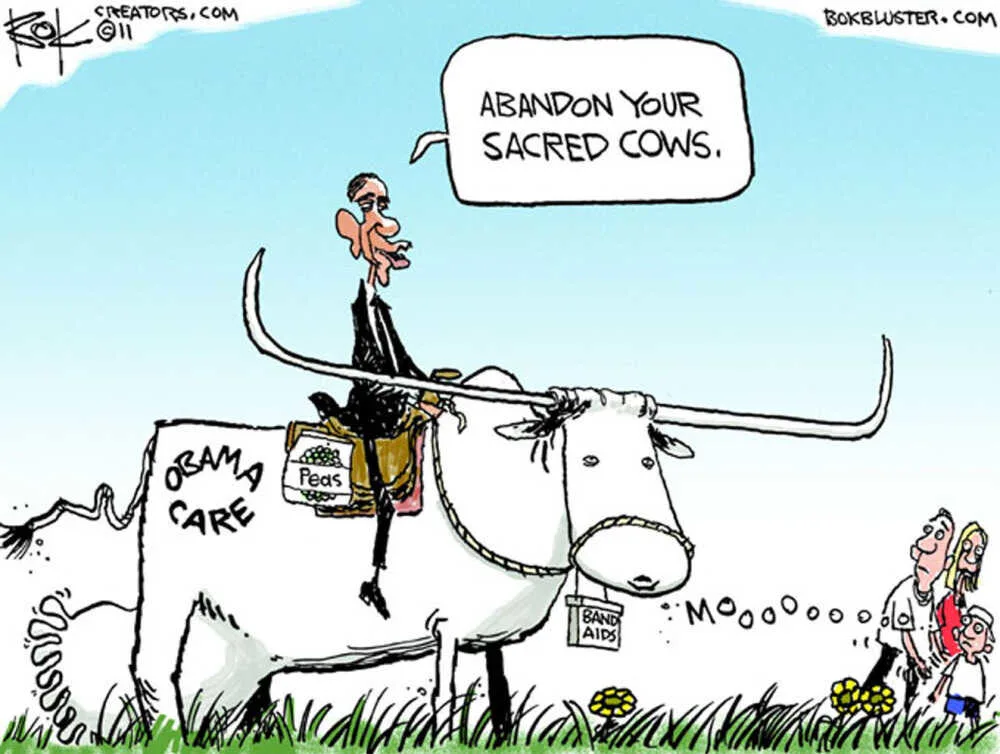
A “sacred cow” is any program, policy, or person that is regarded as being beyond attack or untouchable.
The term references the status held by …
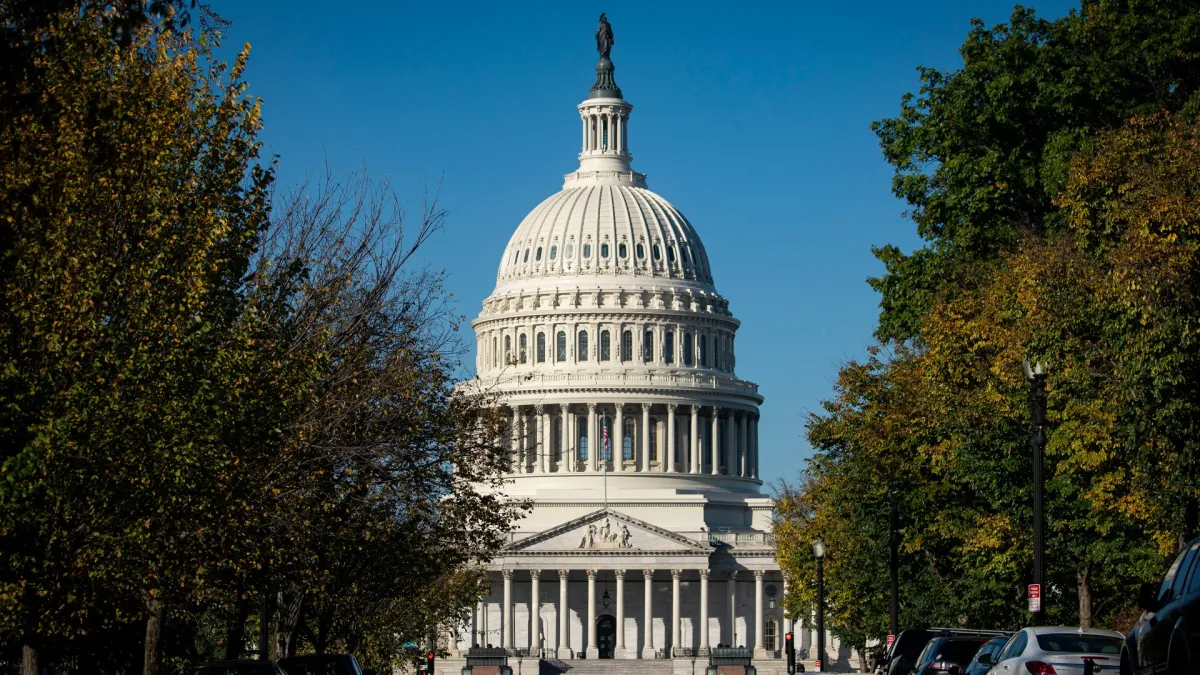
The “incumbent rule” is a rule of thumb used by pollsters that says incumbents rarely get a higher percentage in the election than they receive …
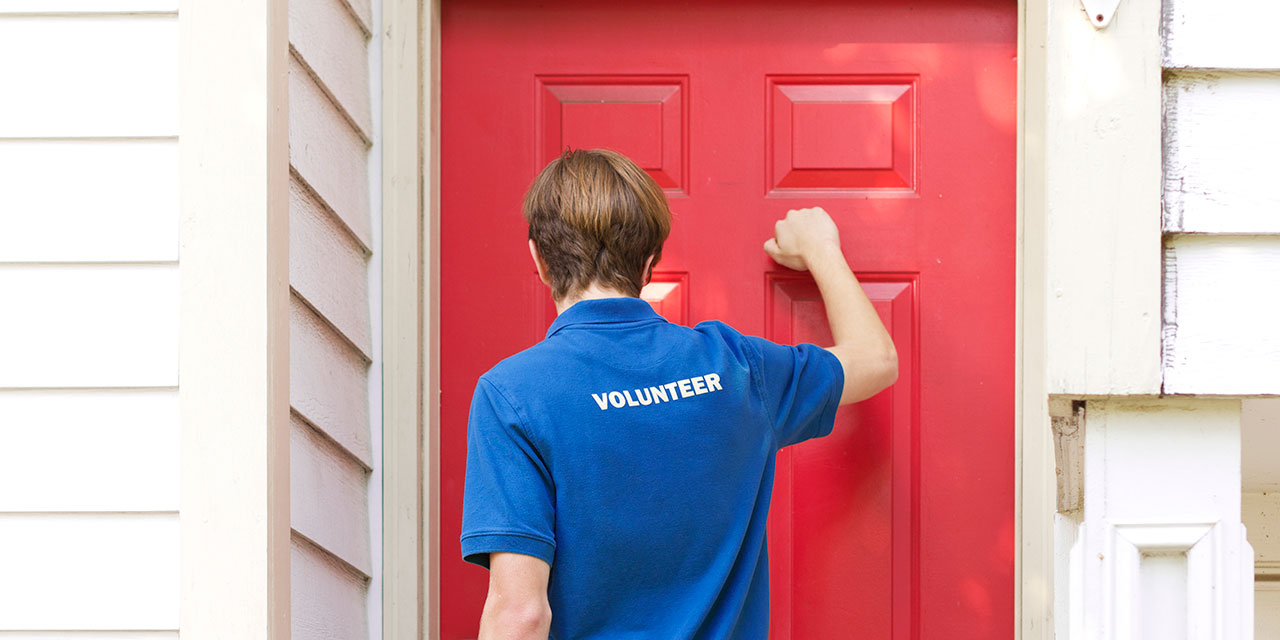
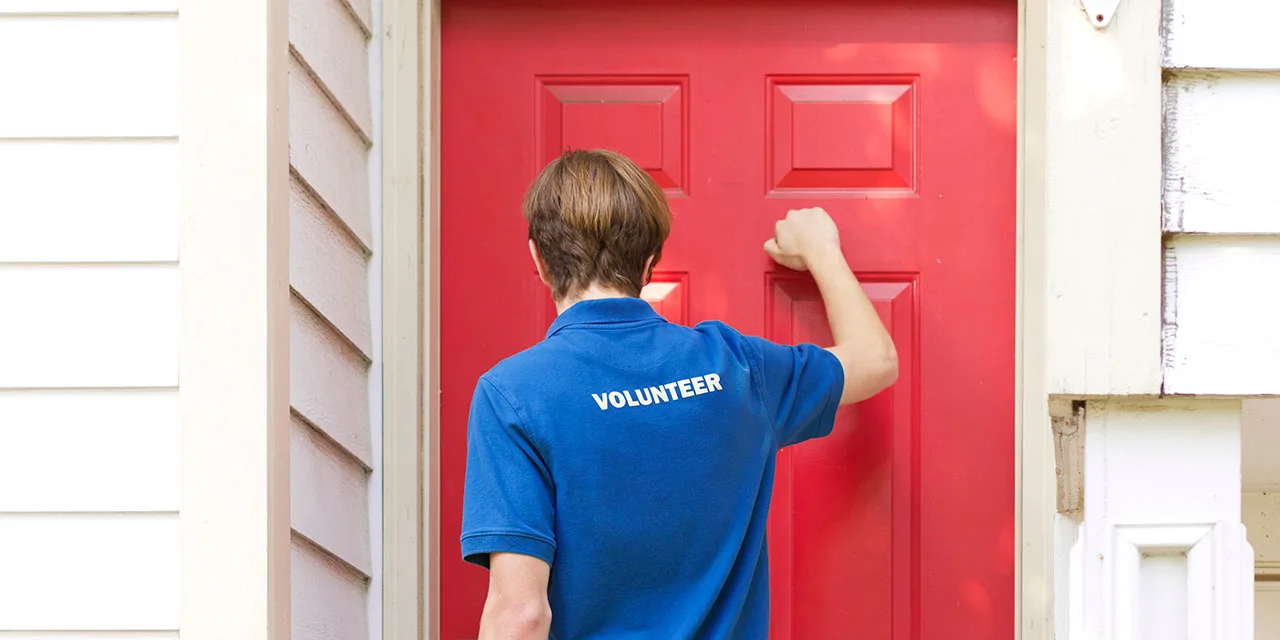
“Flake rate” is a calculation of people who sign up to volunteer for political canvassing or events but do not participate.
This term is largely …
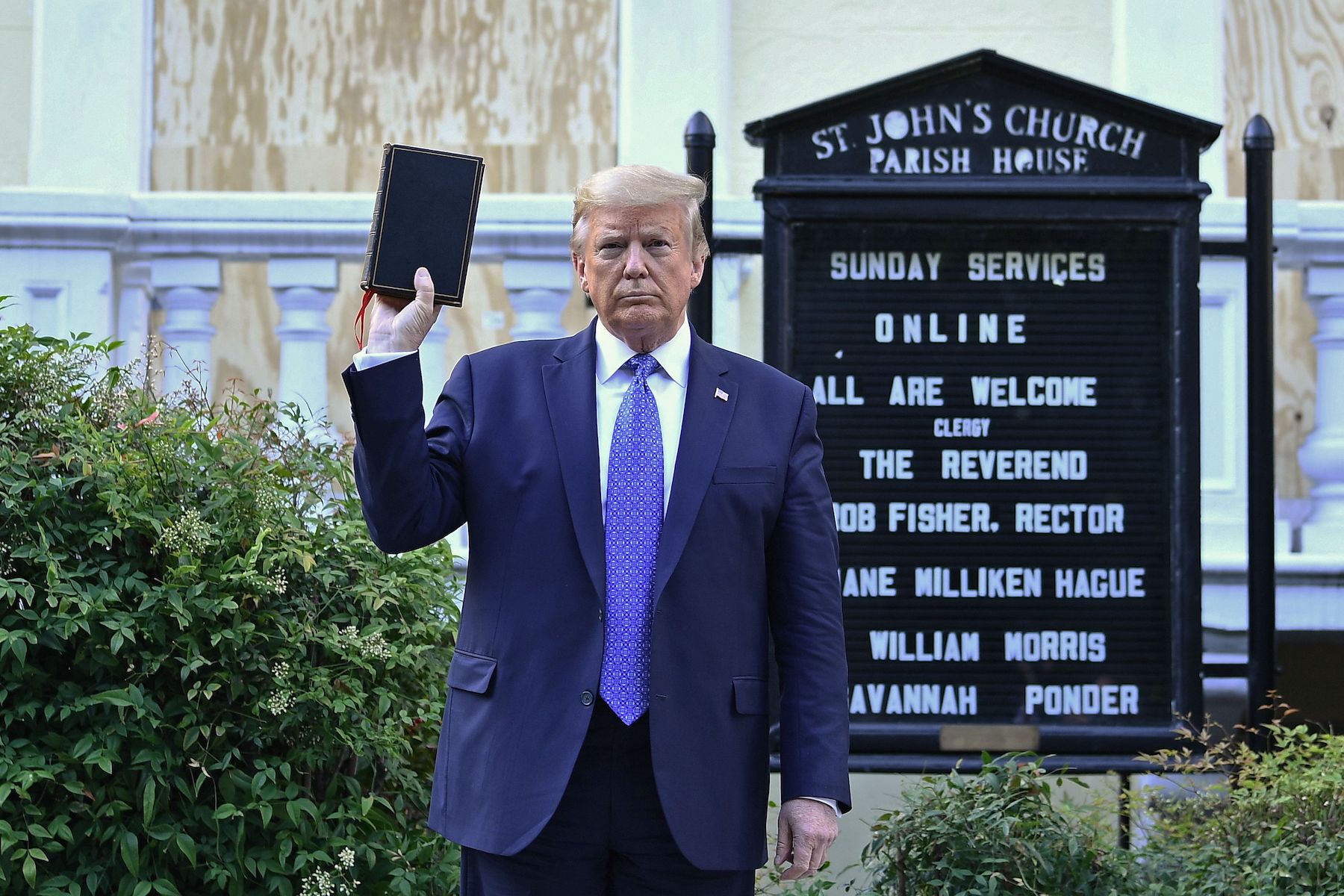
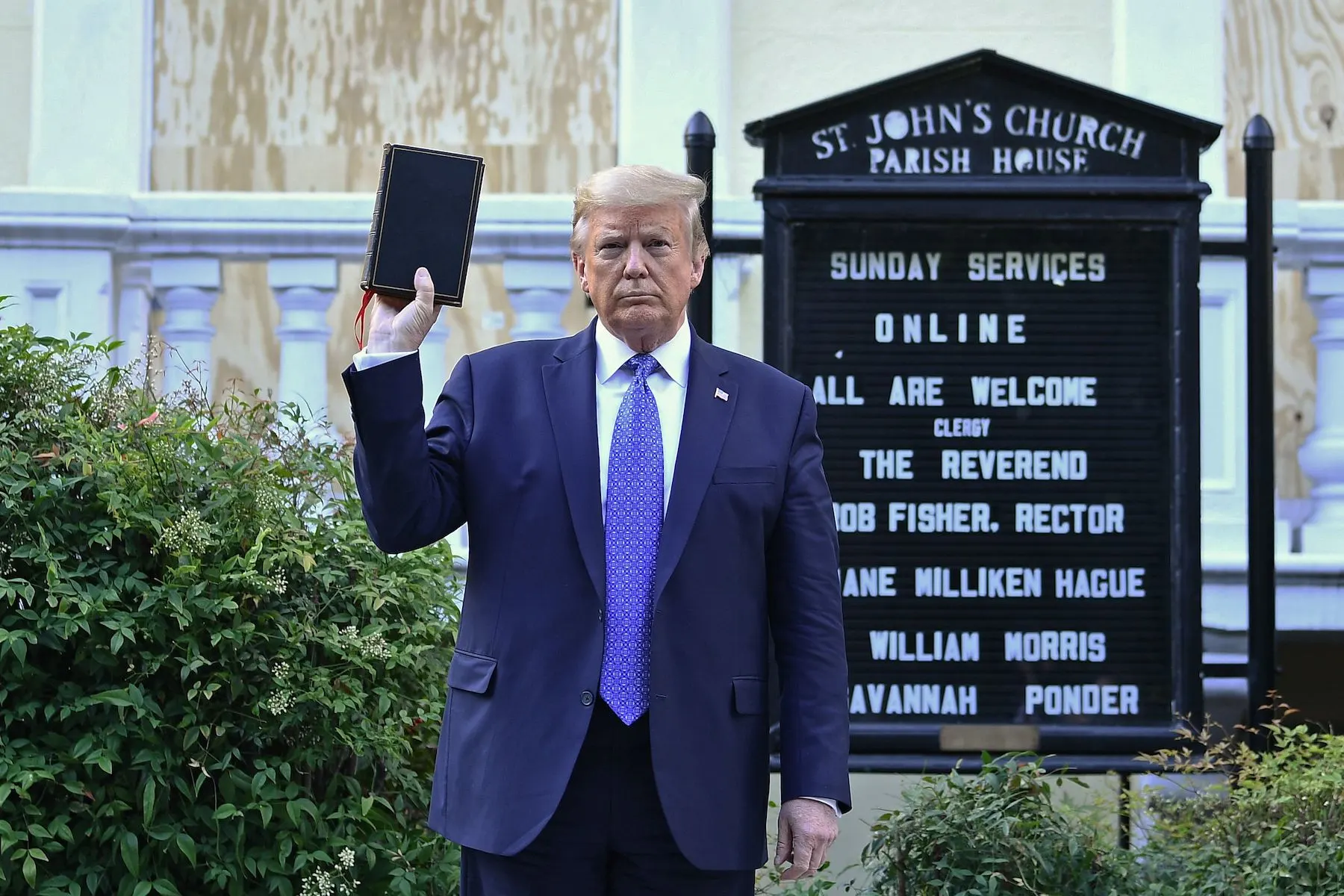
A photo-op is short for a “photo opportunity,” an event specifically staged for television news cameras or photographers to increase a politician’s exposure.
A photo-op …
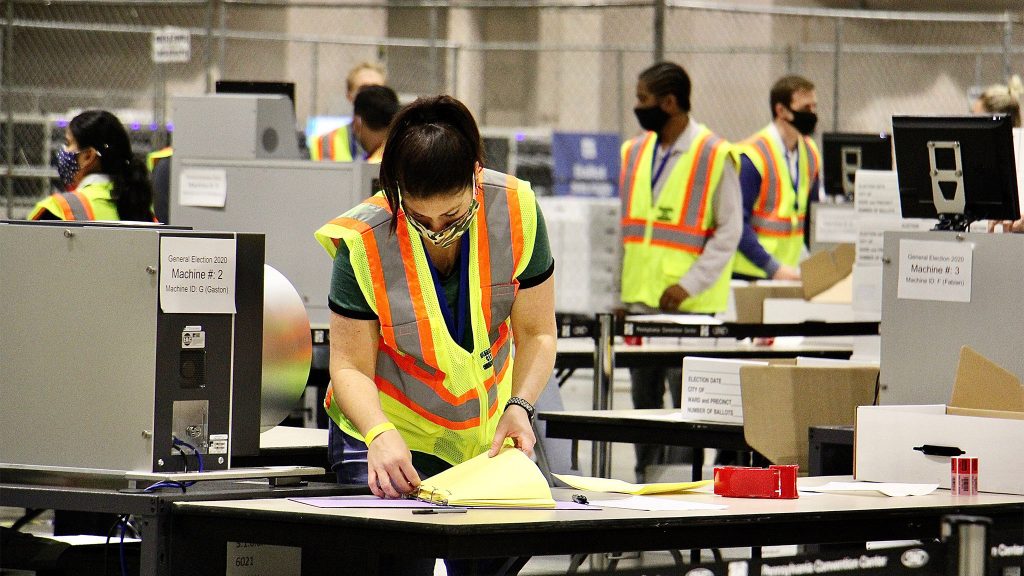
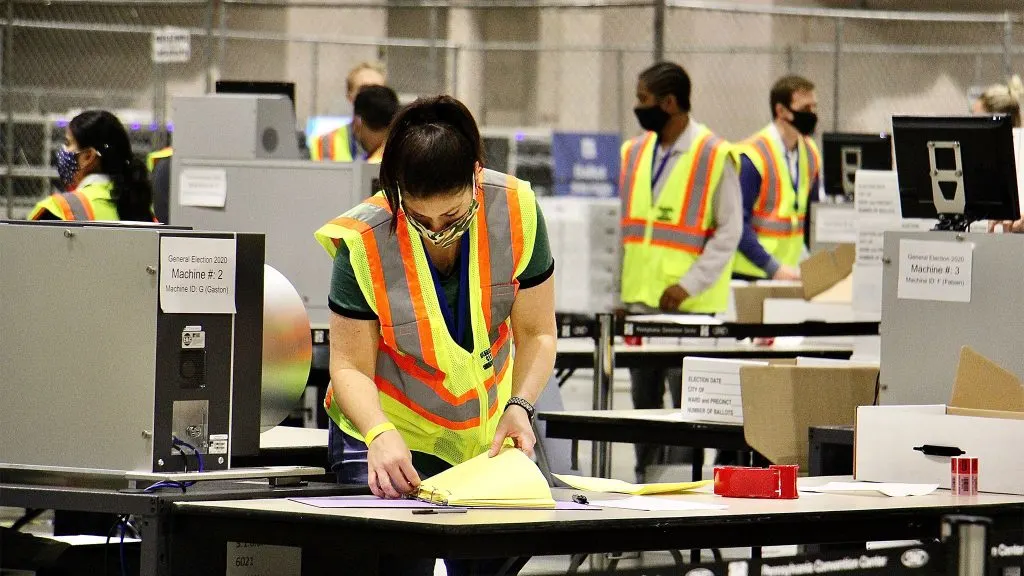
The “Election Administrator’s Prayer” is a phrase that is used to refer to the challenges and responsibilities faced by those who are responsible for administering …
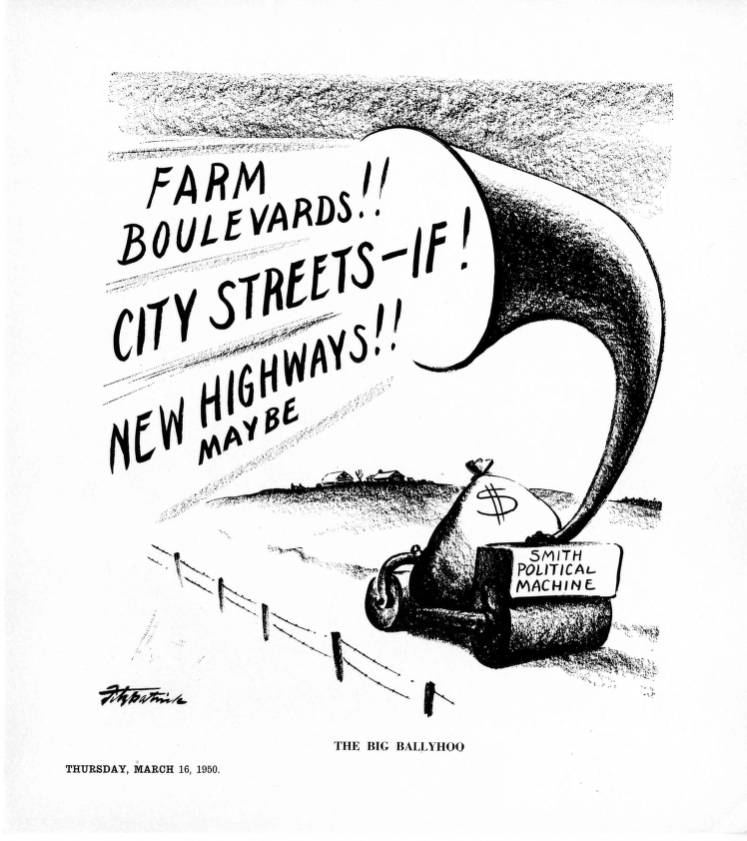
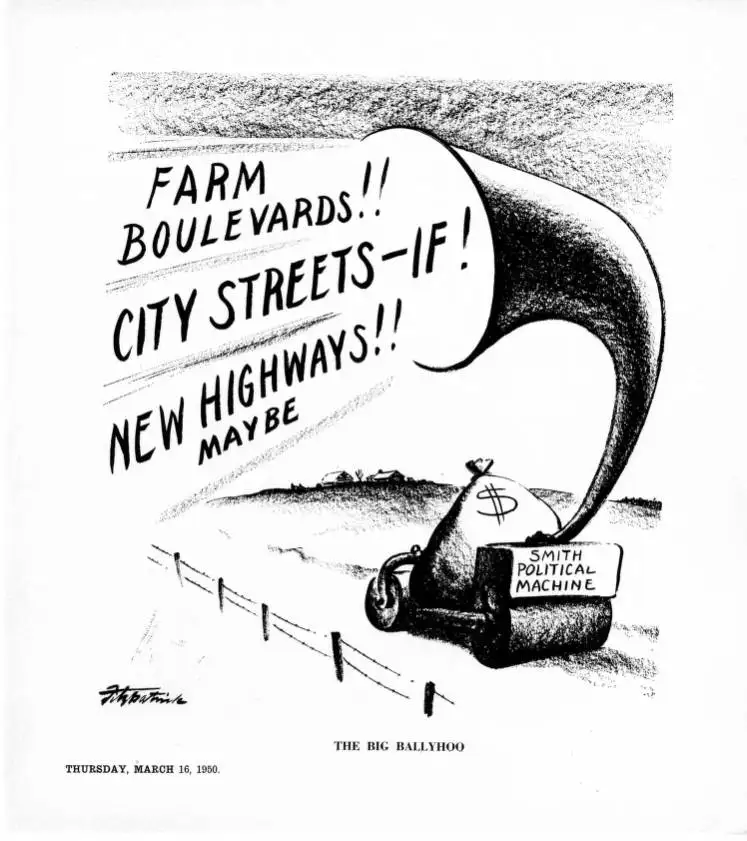
The term “ballyhoo” refers to a type of political propaganda that is designed to create a public spectacle or spectacle and attract attention to a …
Franking privileges allow lawmakers to send mail to constituents without having to pay postage.
A copy of the member’s signature replaces the stamp …


The “Green Lantern Theory” is how political scientists describe the belief that presidents could do more if they just tried a bit harder.
The term …
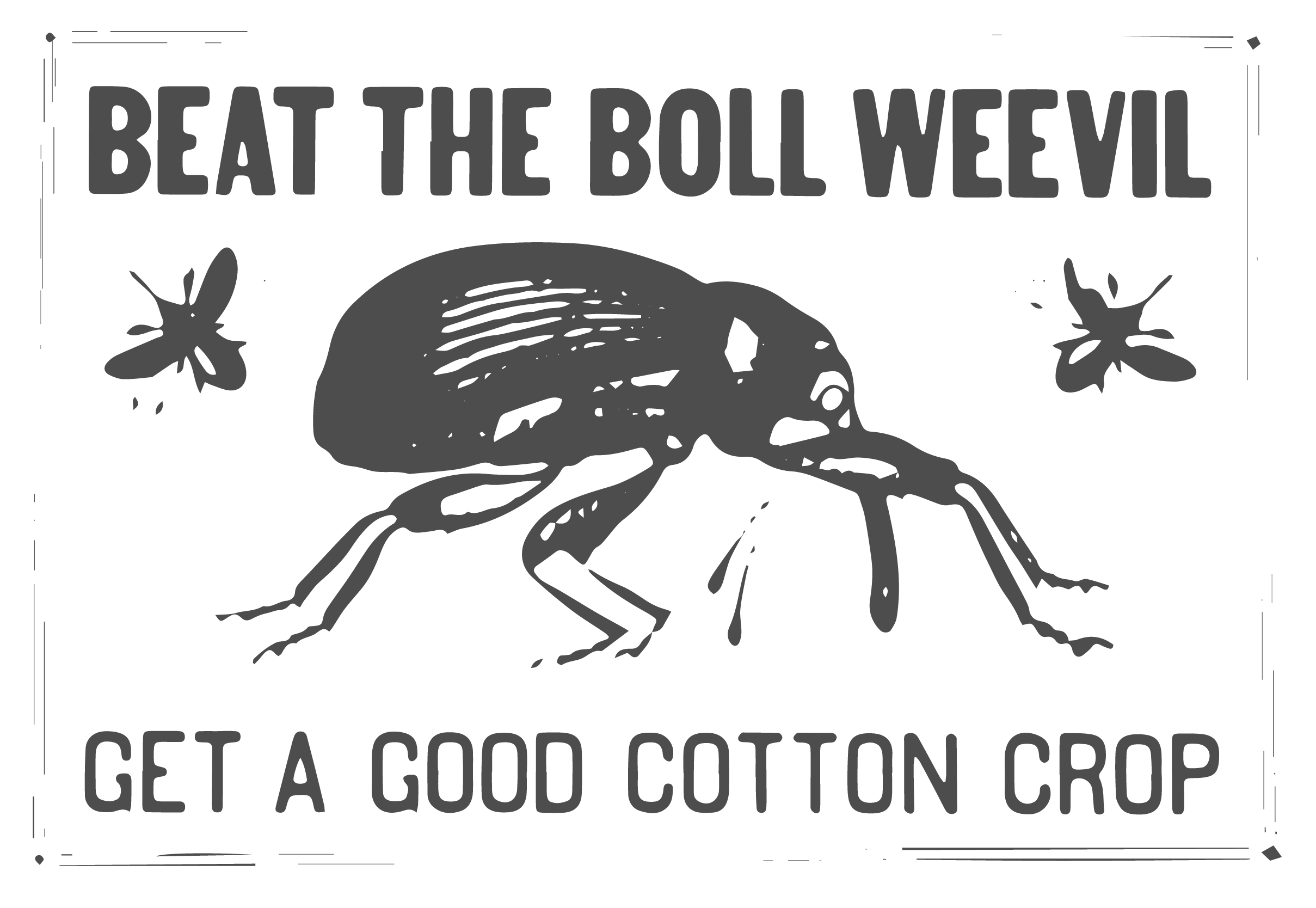
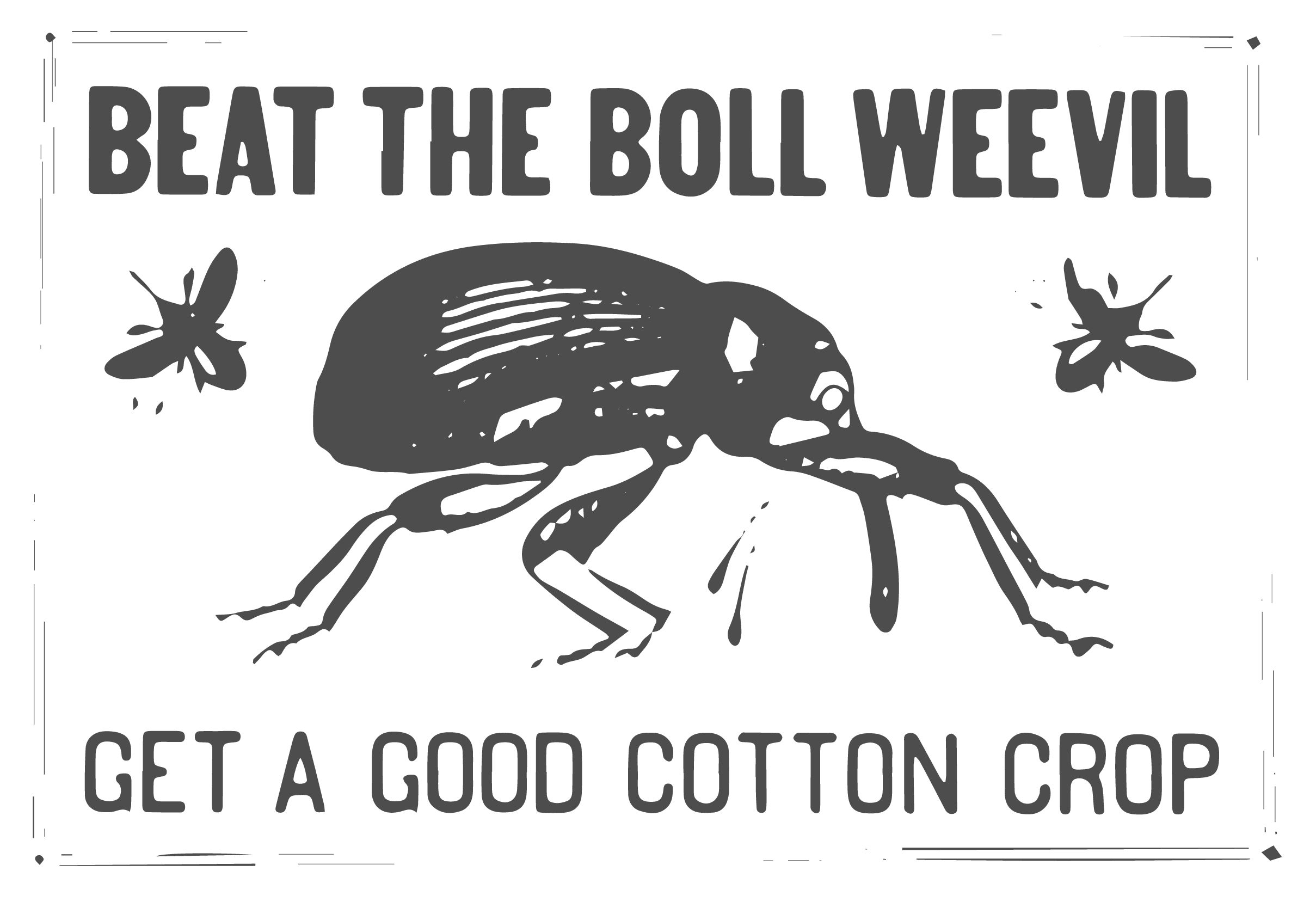
A Boll weevil Democrat was a conservative southern Democrat in the mid 1900s, largely known for his opposition to civil rights.
They used …
The Congressional Record is the official record of the proceedings and debates of the United States Congress.
It is a comprehensive and authoritative reference source …
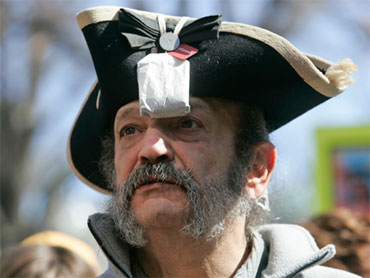
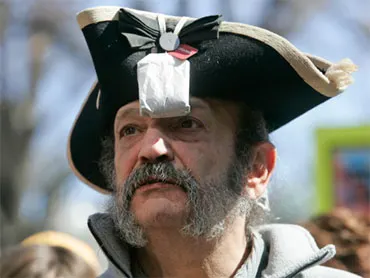
The term “teabaggers” is a derogatory nickname used to refer to supporters of the conservative “Tea Party” movement.
As CBS News notes:
…It’s the sort
The “advance man” is someone who makes arrangements and handles publicity for the candidate during a campaign.
The advance man travels to a location ahead …
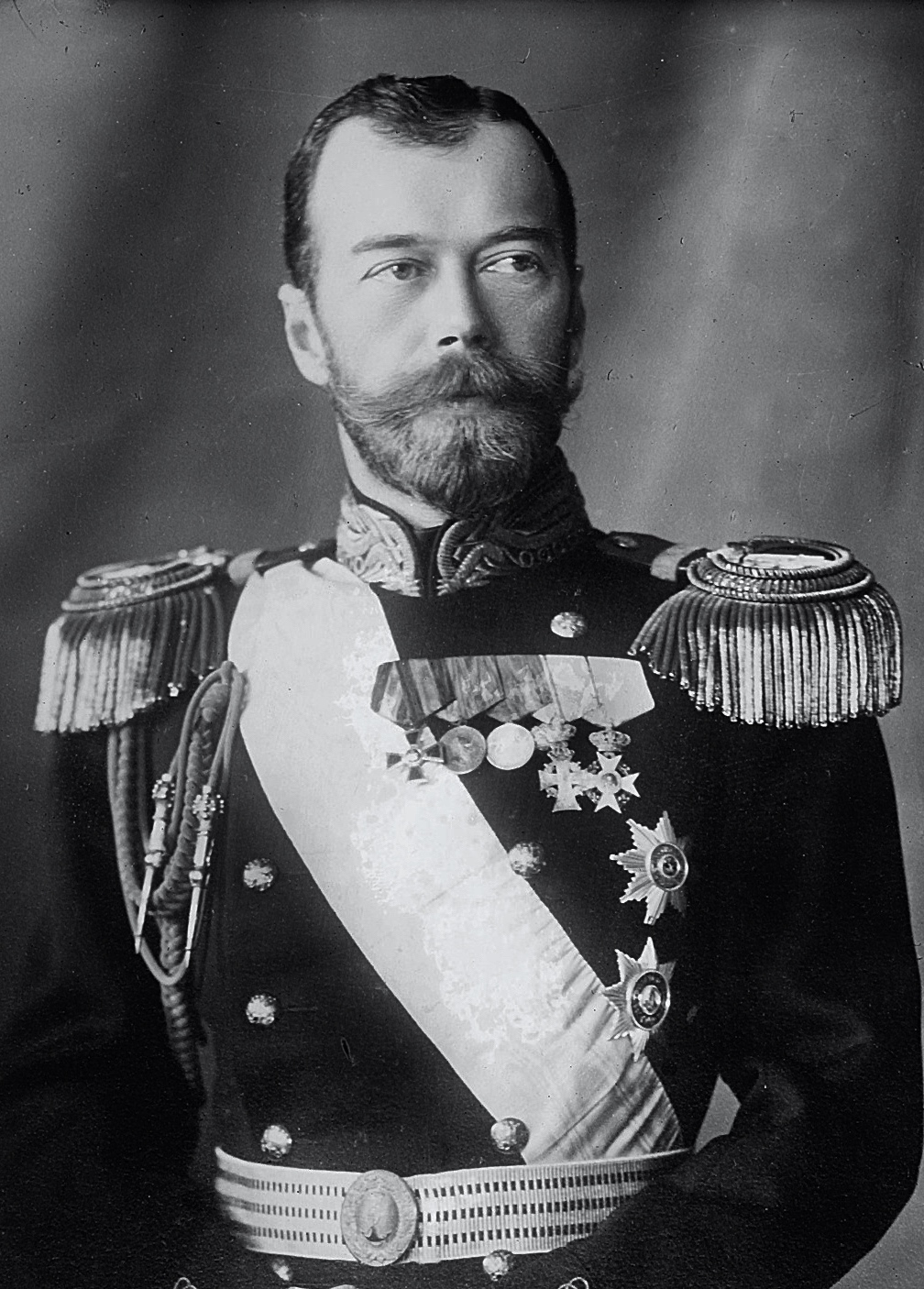
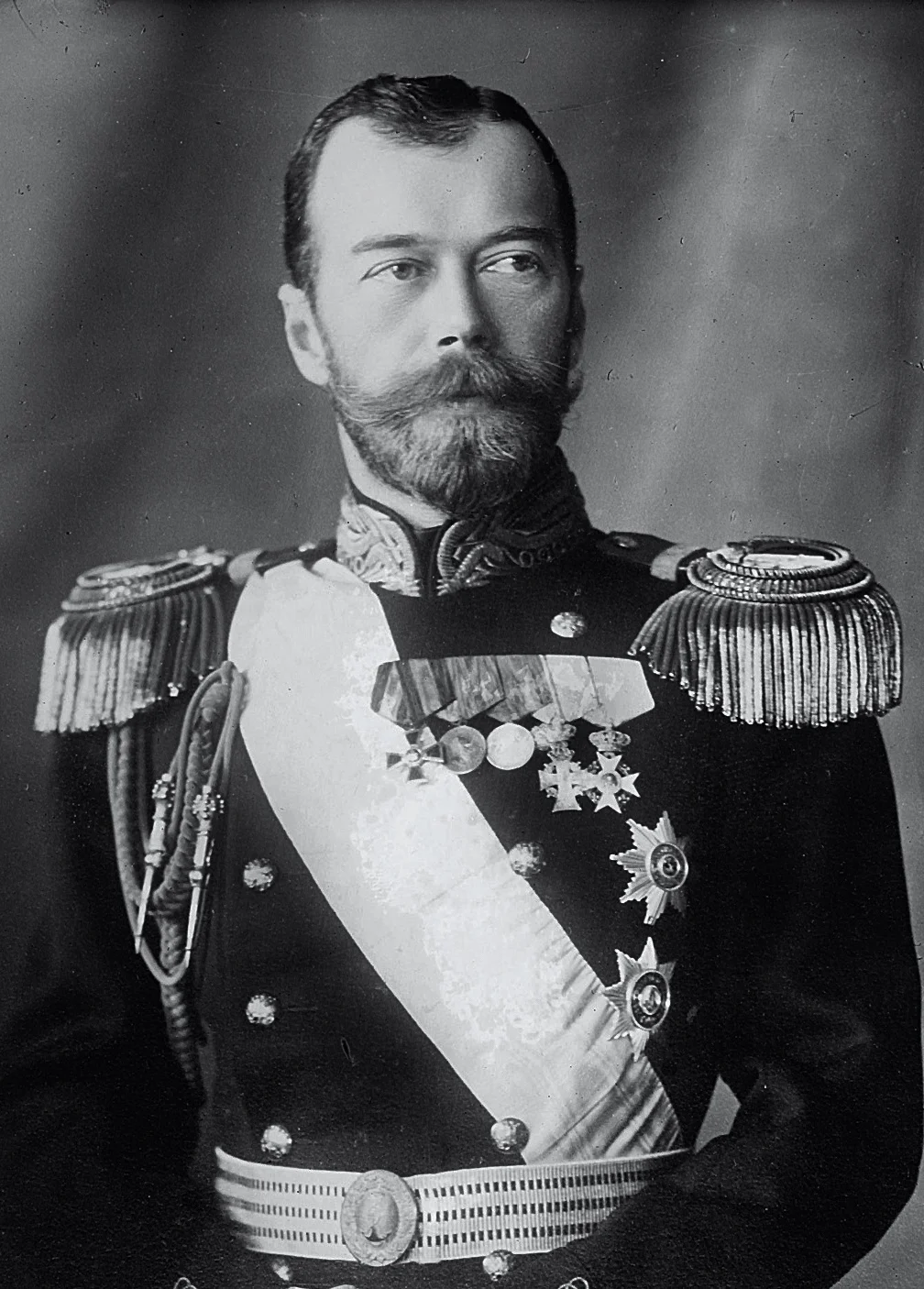
A “czar” is an unofficial title used to refer to high-ranking executive branch appointments.
Czars are usually given responsibility for a specific policy area and …
Someone who is “out of the loop” is uniformed or not given access to shared information, especially to information which is shared informally and on …
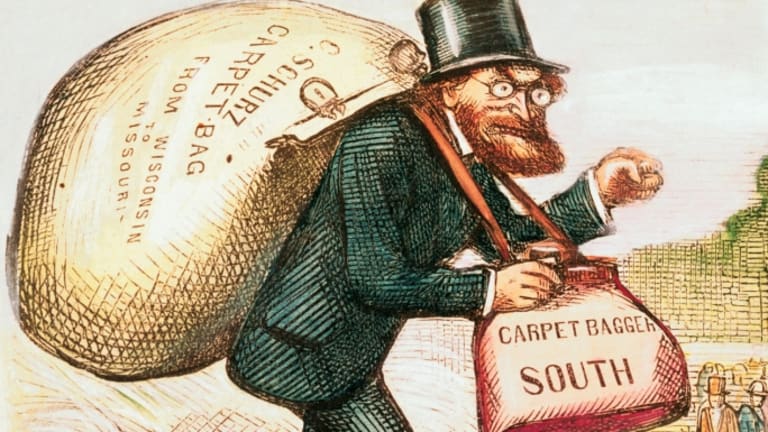
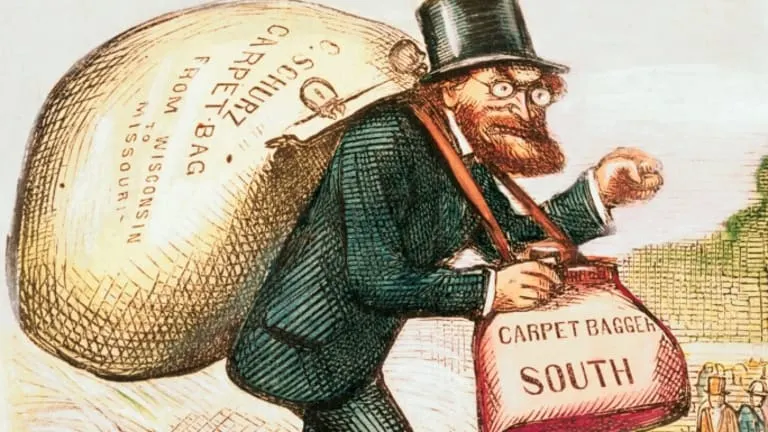
A “carpetbagger” is a politician who runs for office or tries to appeal to a constituency in a geographic area where he or …
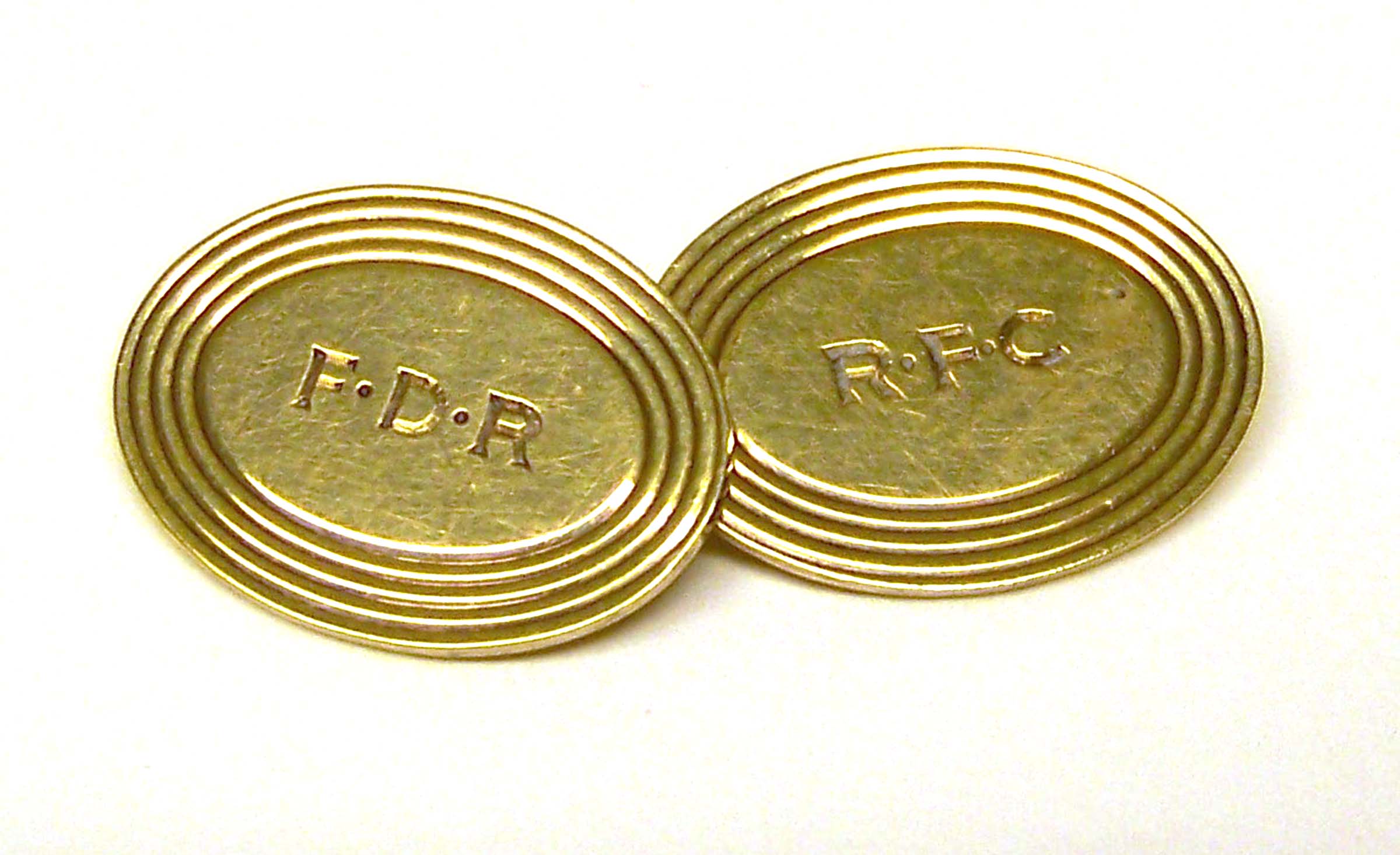
The “Cuff Links Gang” refers to the group of friends who helped Franklin D. Roosevelt run for Vice President in 1920 “and to whom he …
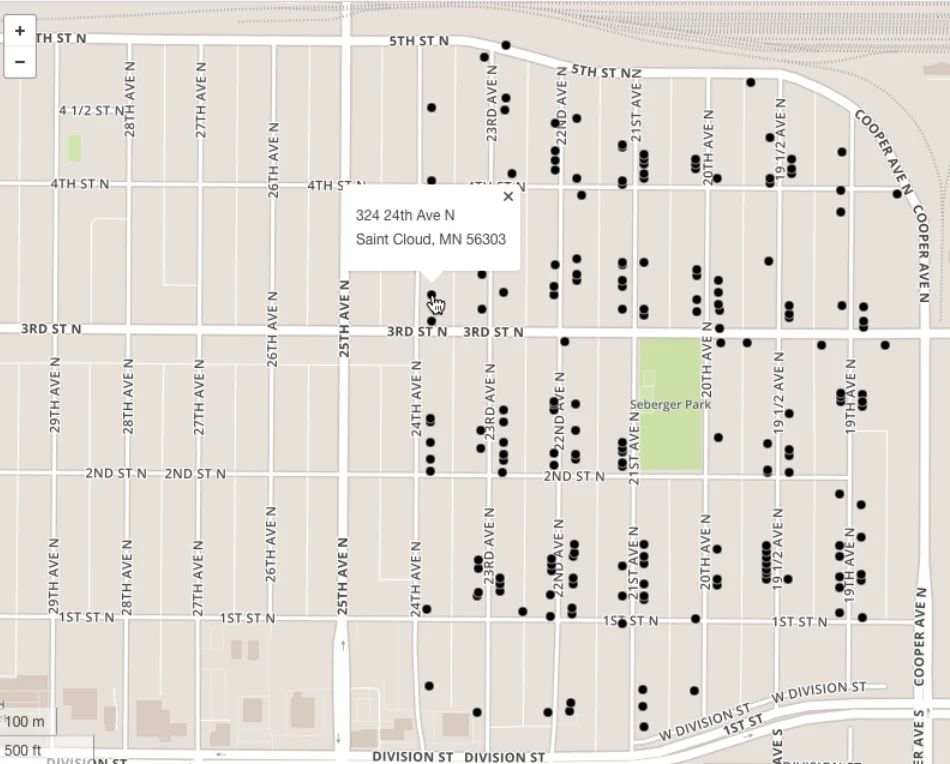
“Cutting turf” is plotting canvassing routes for campaign workers to knock on doors.
The term refers to the process of breaking up a …
“Politics ain’t beanbag” Is an old-fashioned way of saying that politics can be rough.
People express roughly the same idea when they call politics “…
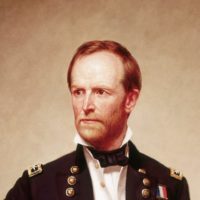
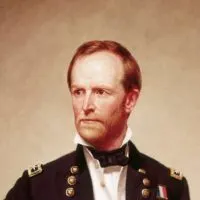
A Shermanesque statement is a clear and direct statement by a potential political candidate indicating that he or she will not run for …
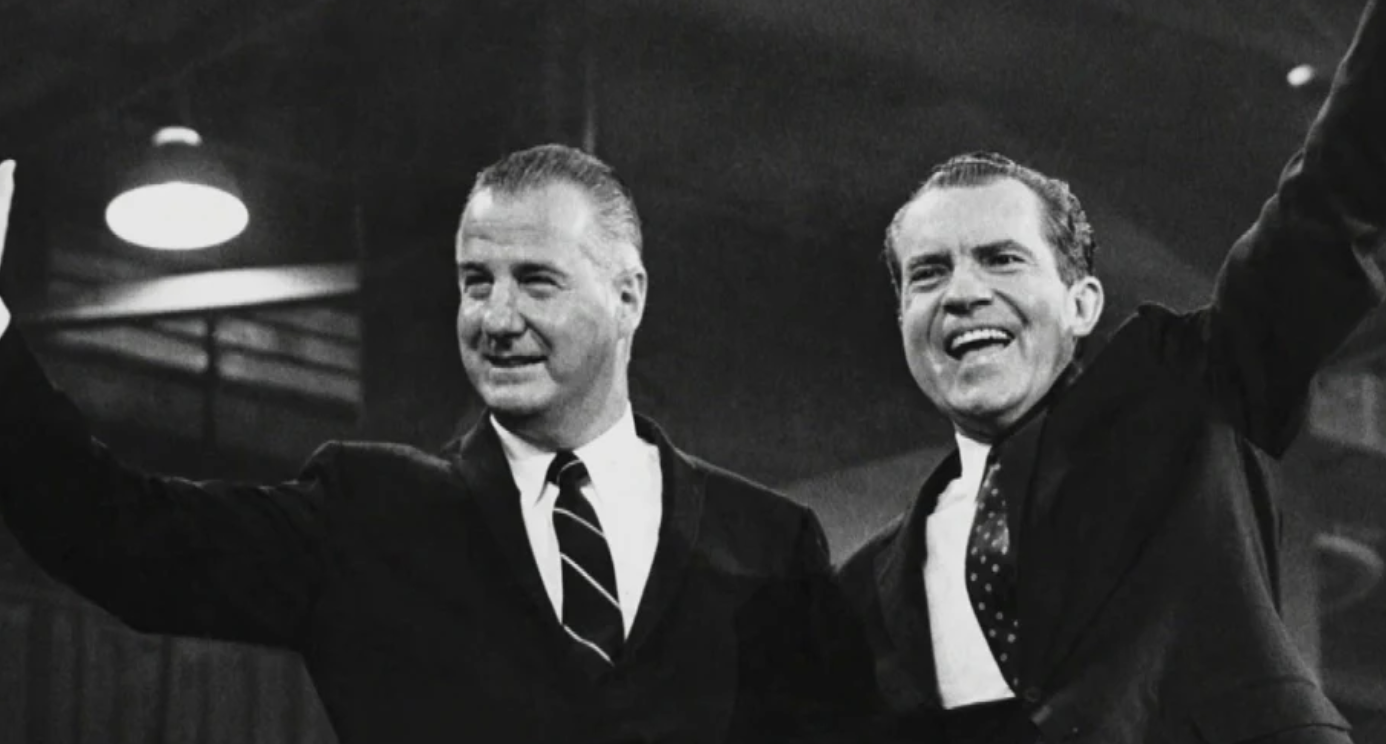
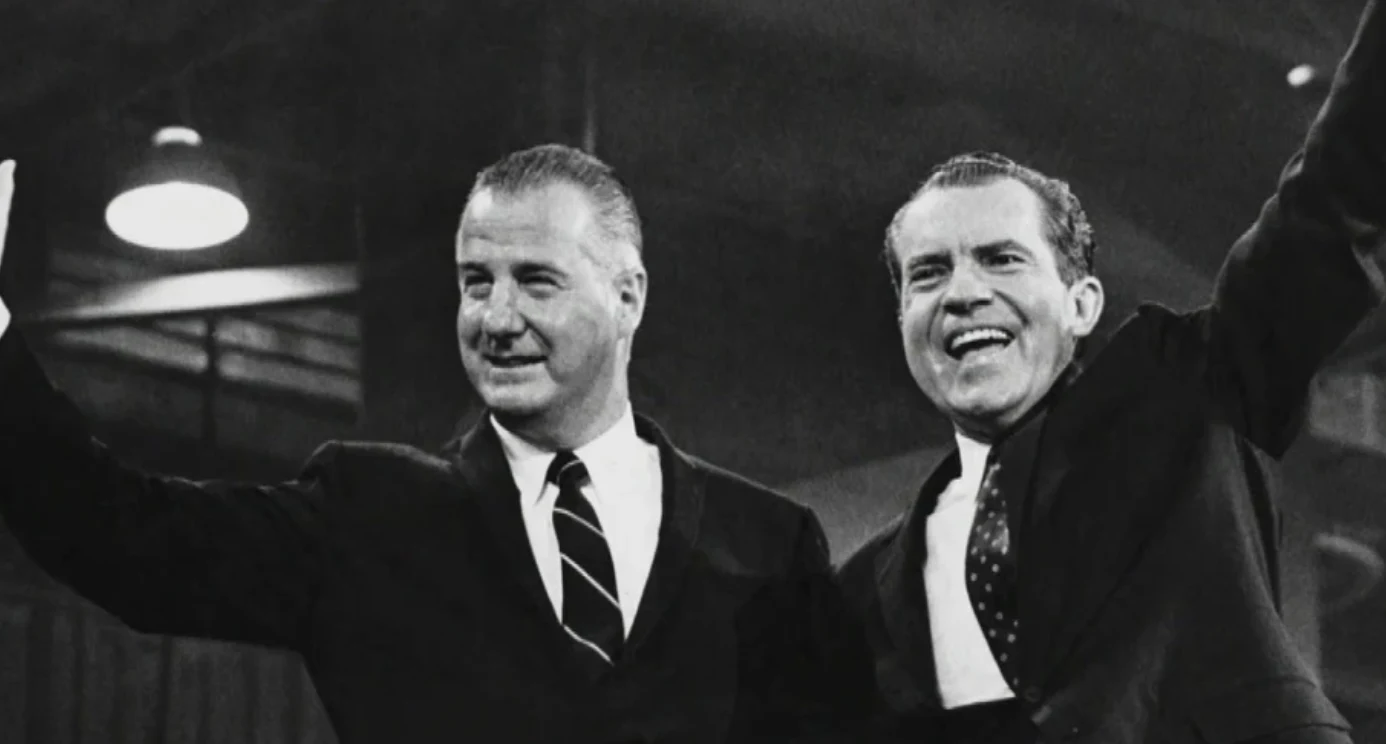
The term “bagman” is used to describe a person who acts as an intermediary or messenger, delivering or collecting money or other valuable items on …
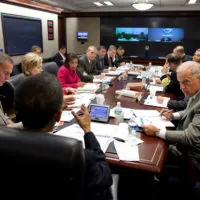
A “situation room” is a physical room in which key decision makers gather to share information and make plans about the major issues affecting their …
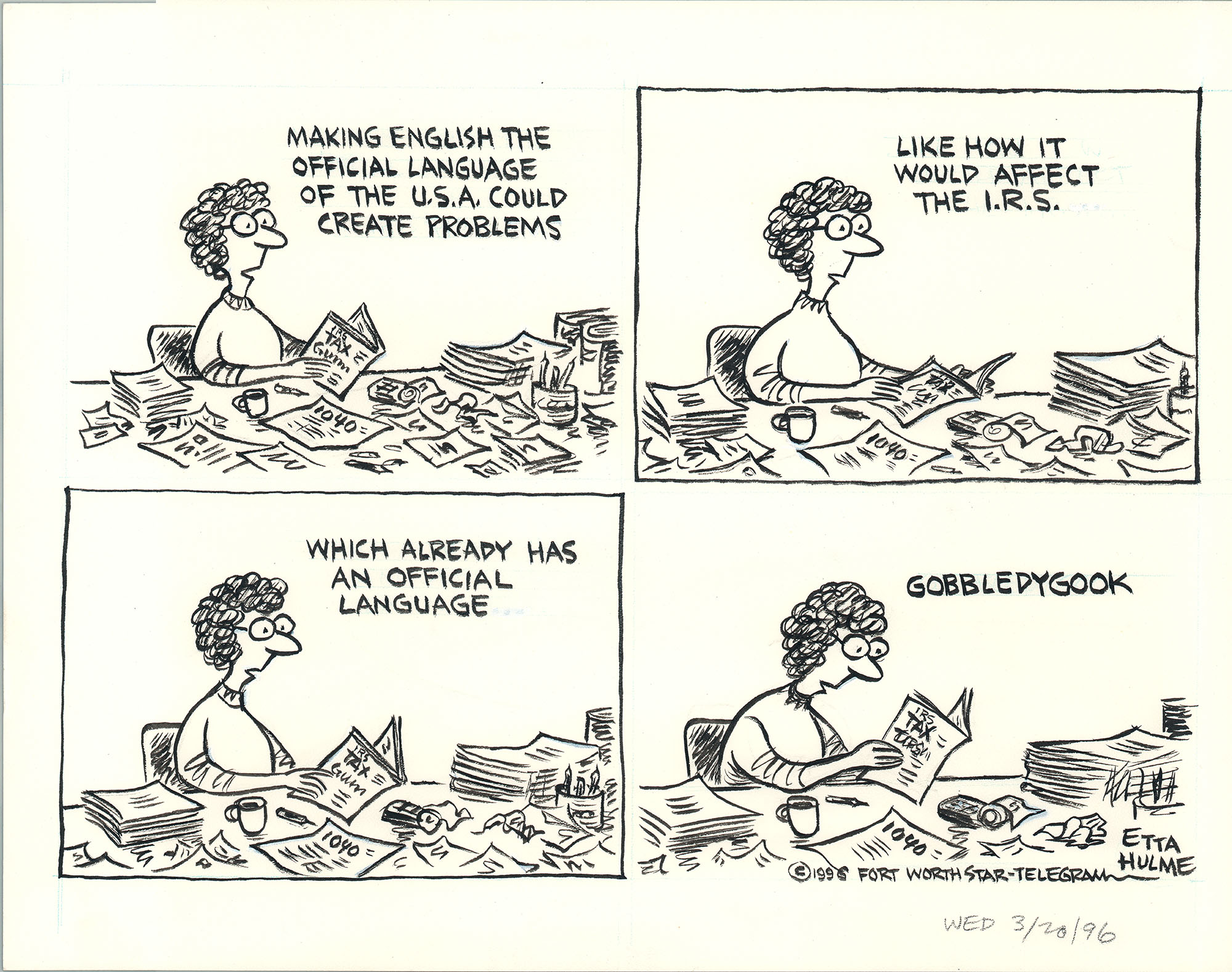
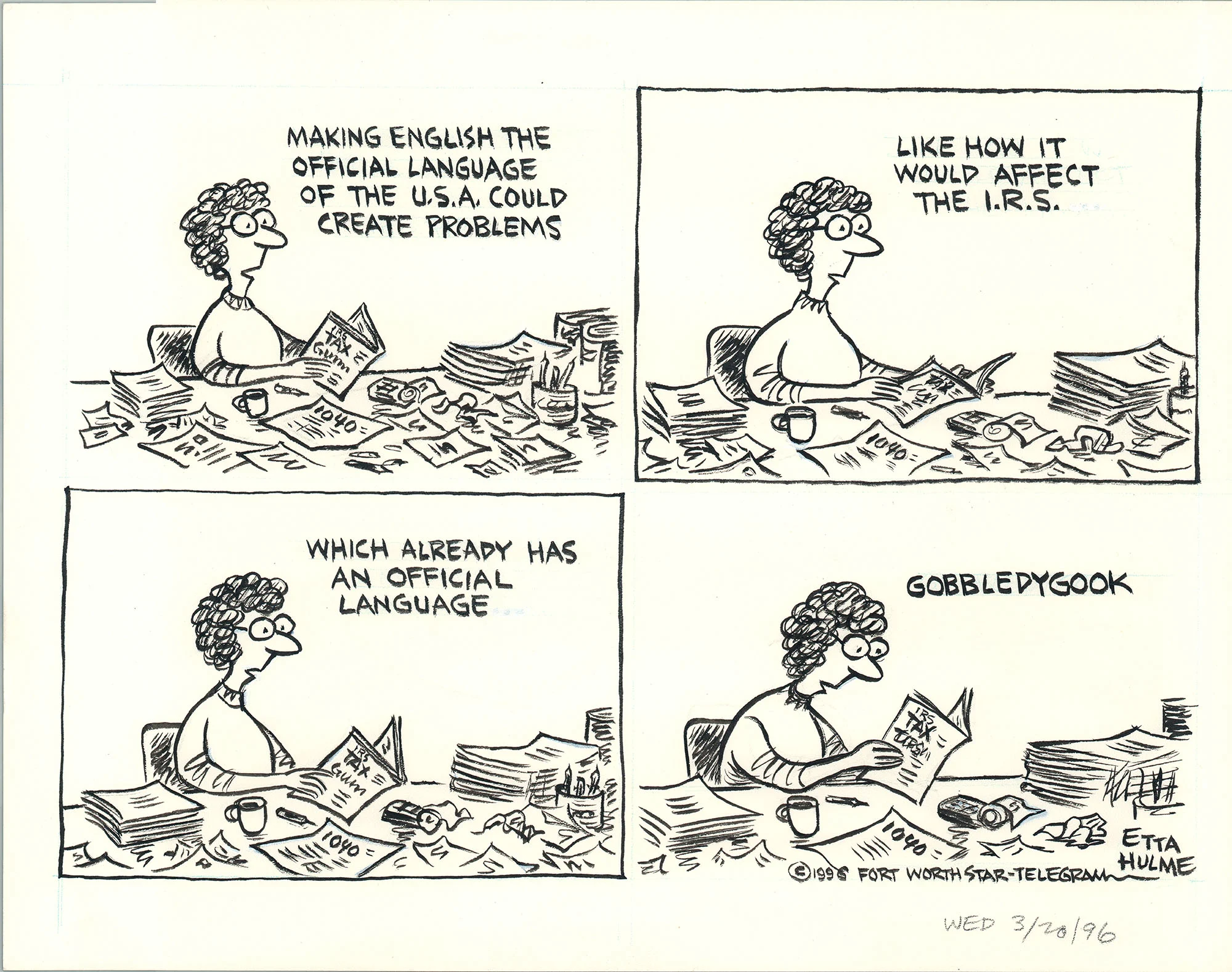
“Gobbledygook” is a term coined by Rep. Maury Maverick (D-TX) for obscure and euphemistic bureaucratic language.
He first used the word in a …


A “snollygoster” is a political operative or candidate who uses cunning or ethically questionable behavior to achieve power.
It’s similar to what we call a …
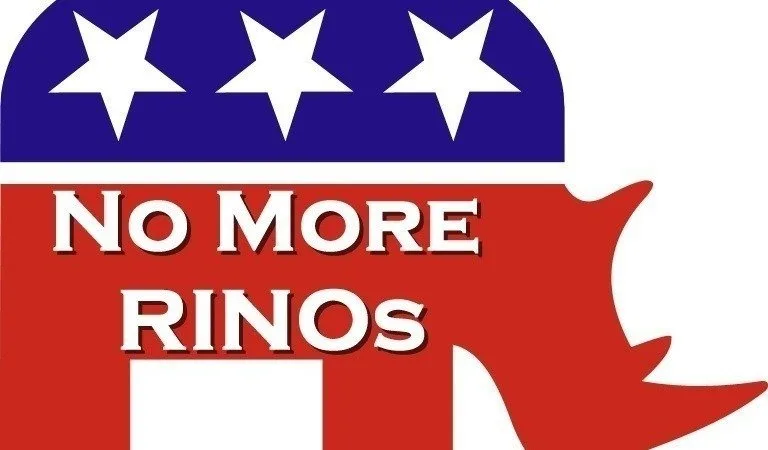
Republican In Name Only — or RINO, for short — is a disparaging term that refers to a Republican candidate whose political views …
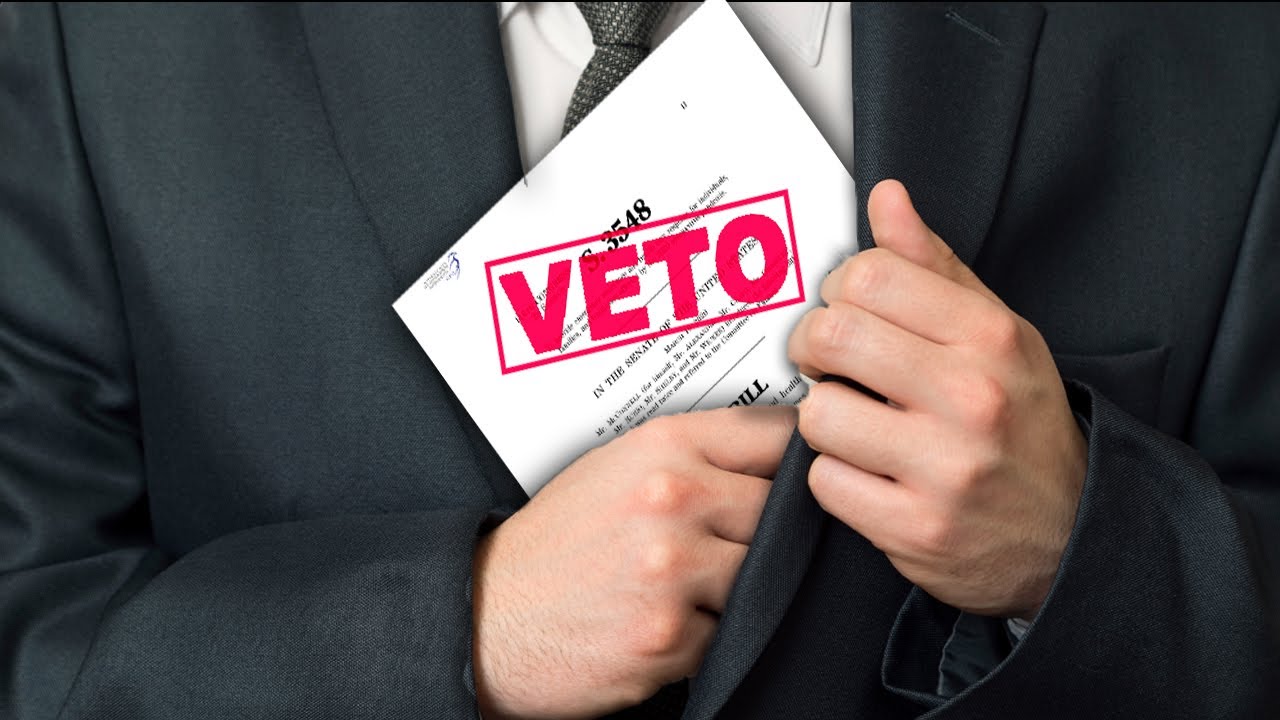
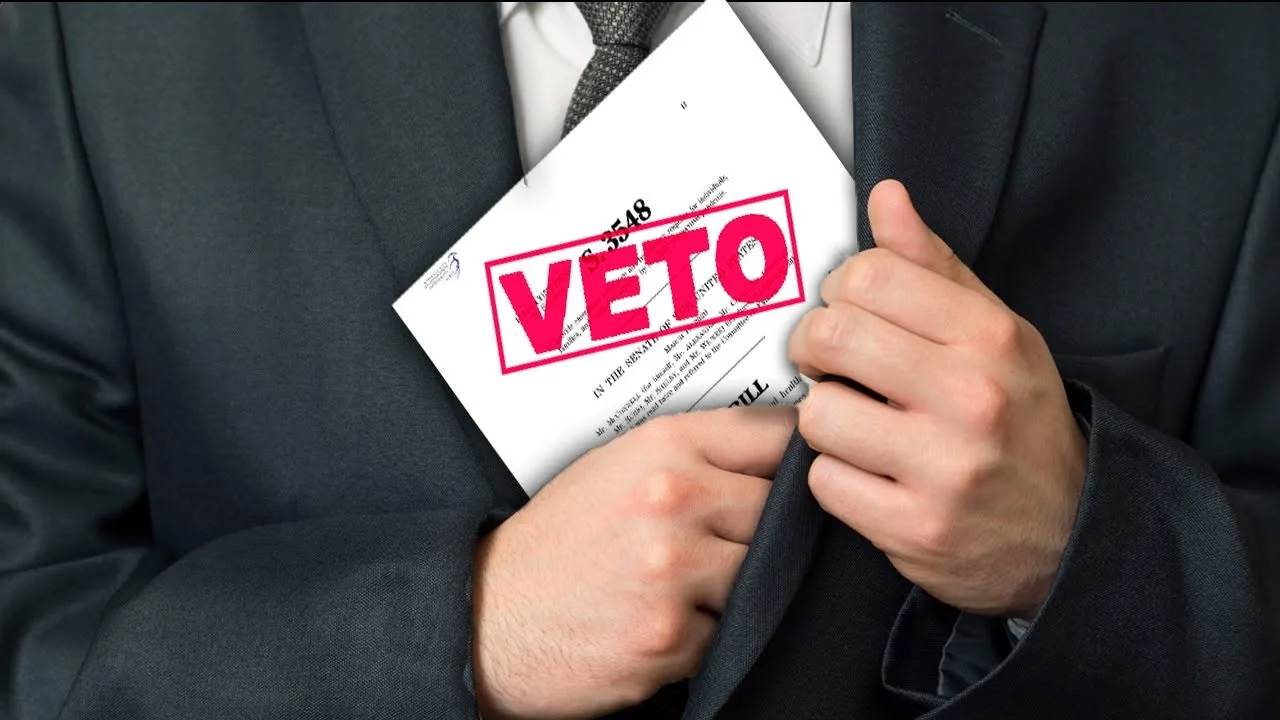
A pocket veto is a legislative tactic that allows the president to indirectly veto a bill.
The U.S. Constitution requires the President to sign a …
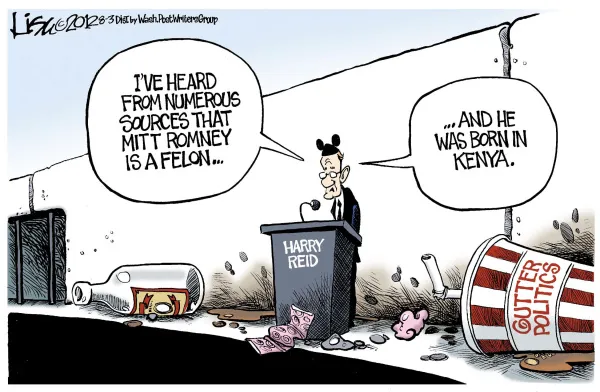
The term “gutter politics” refers to the use of personal attacks, character assassination, and scandal-mongering as a tactic to discredit or malign opponents rather than …
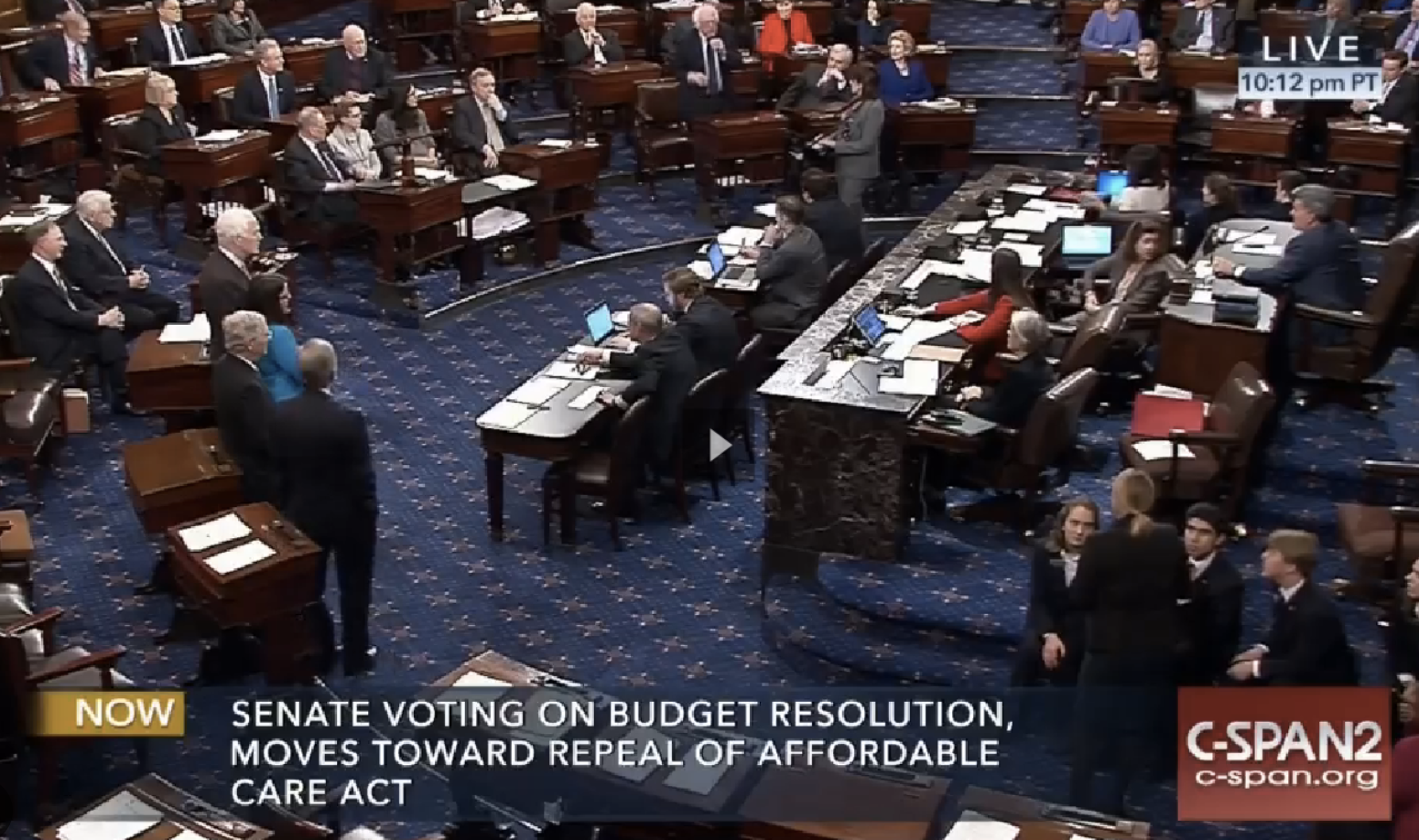
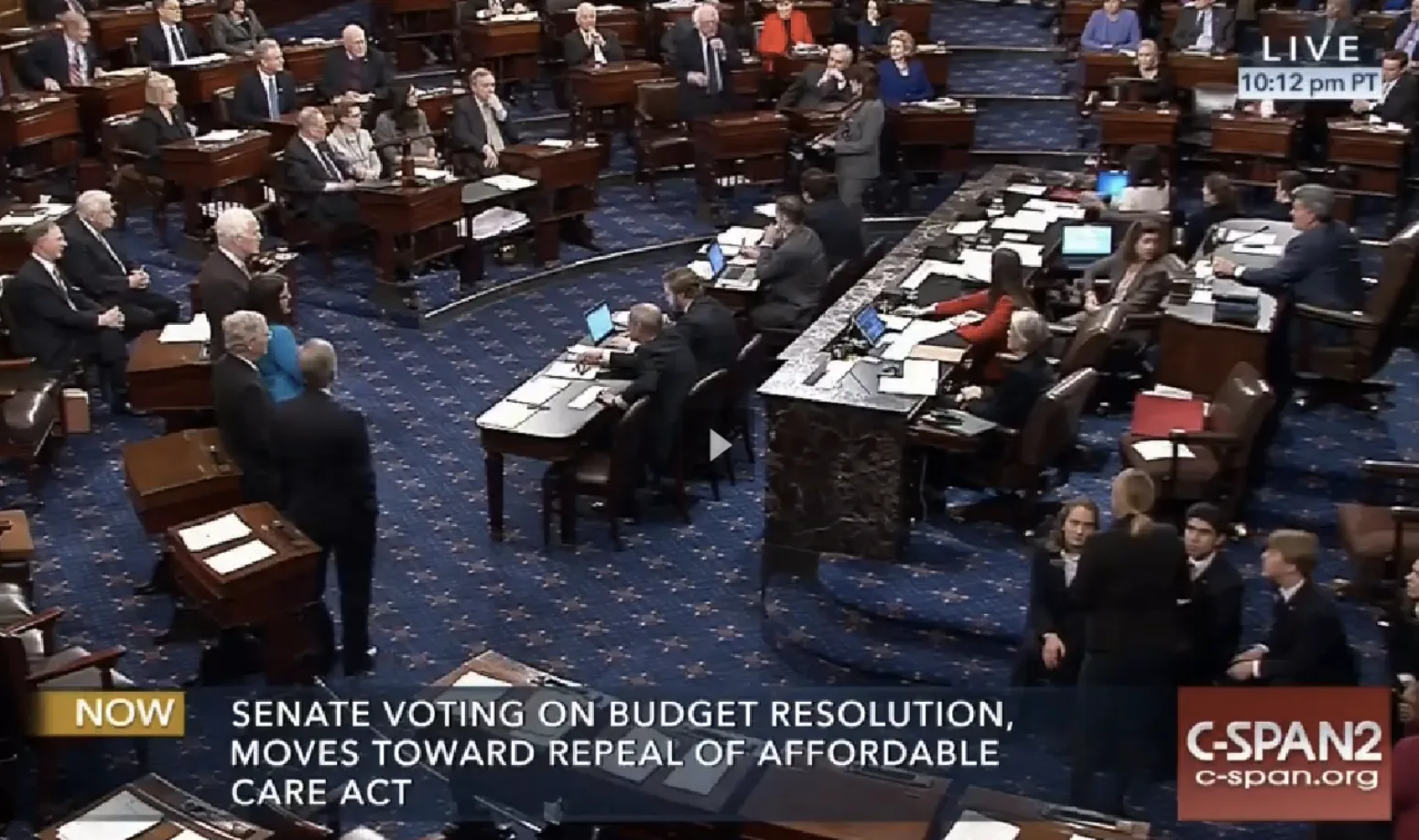
The term “vote-a-rama” is used to refer to a marathon session of voting in the United States Senate.
This typically occurs during the consideration of …
The “power behind the throne” is said to be someone who does not hold an official leadership position but who effectively wields control.
The phrase …
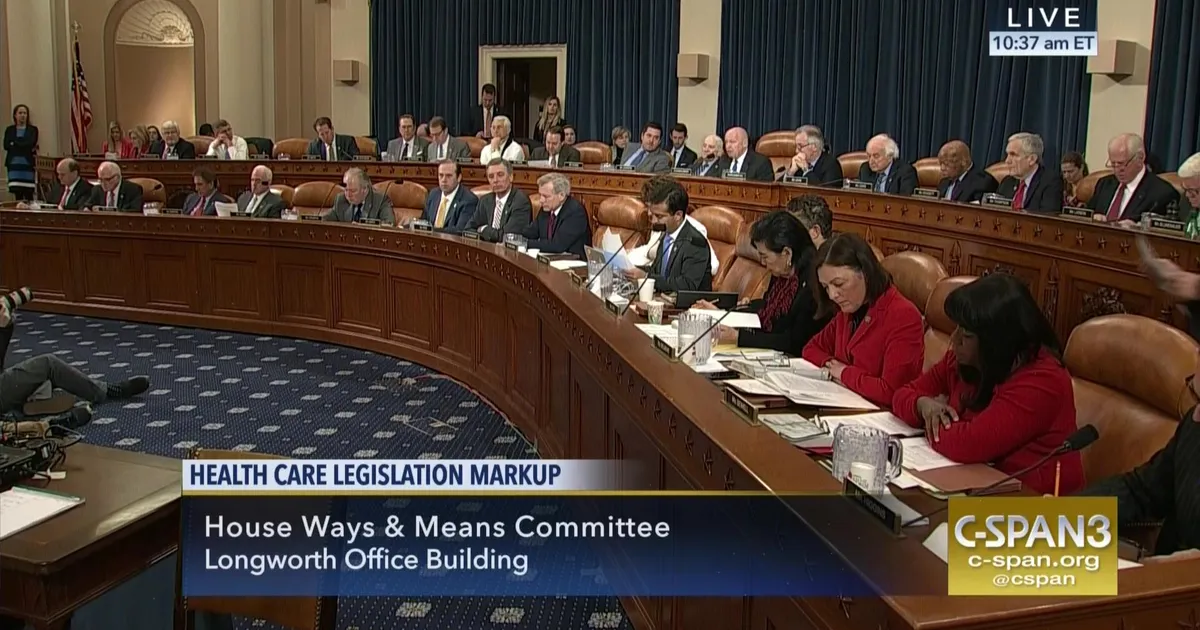
The mark-up is the committee meeting held to review the text of a bill before reporting it to the floor.
The mark-up process plays a …