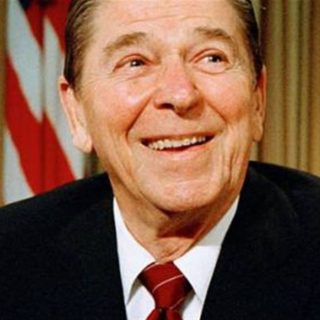

Amiable Dunce
Ronald Reagan’s critics often referred to the president as an “amiable dunce.” The phrase was meant to suggest that Reagan was friendly and likeable, but …

Ronald Reagan’s critics often referred to the president as an “amiable dunce.” The phrase was meant to suggest that Reagan was friendly and likeable, but …
A “backgrounder” is an off-the-record briefing for members of the news media.
Reporters are free to report on what they learn at a background briefing …
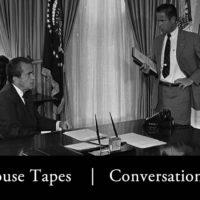
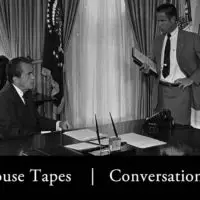
In politics, the term “smoking gun” refers to a piece of evidence that definitively proves a crime or wrongdoing by a public official.
The term “bleeding hearts” refers to people who care deeply — so deeply that their hearts bleed — about the suffering of the needy. The …
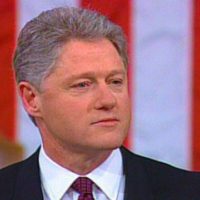
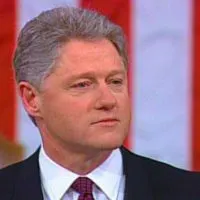
Broadly speaking, “big government” is a political term that refers to how much influence the federal government has on the day-to-day lives of American citizens.…
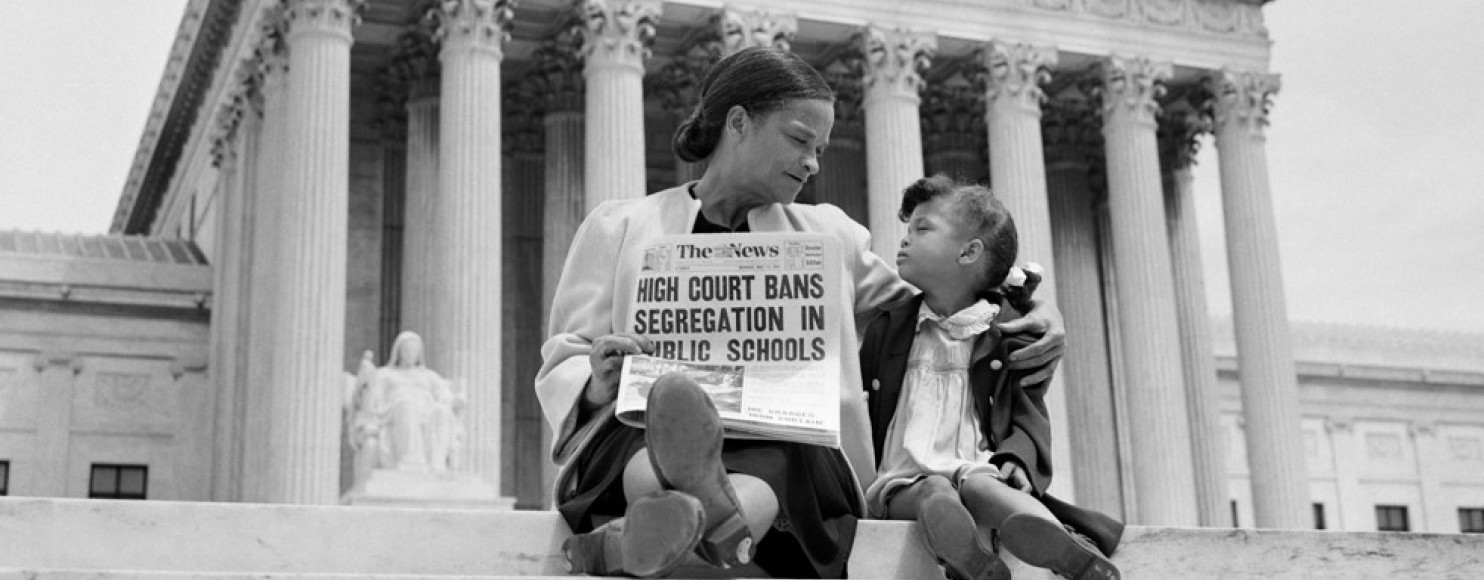
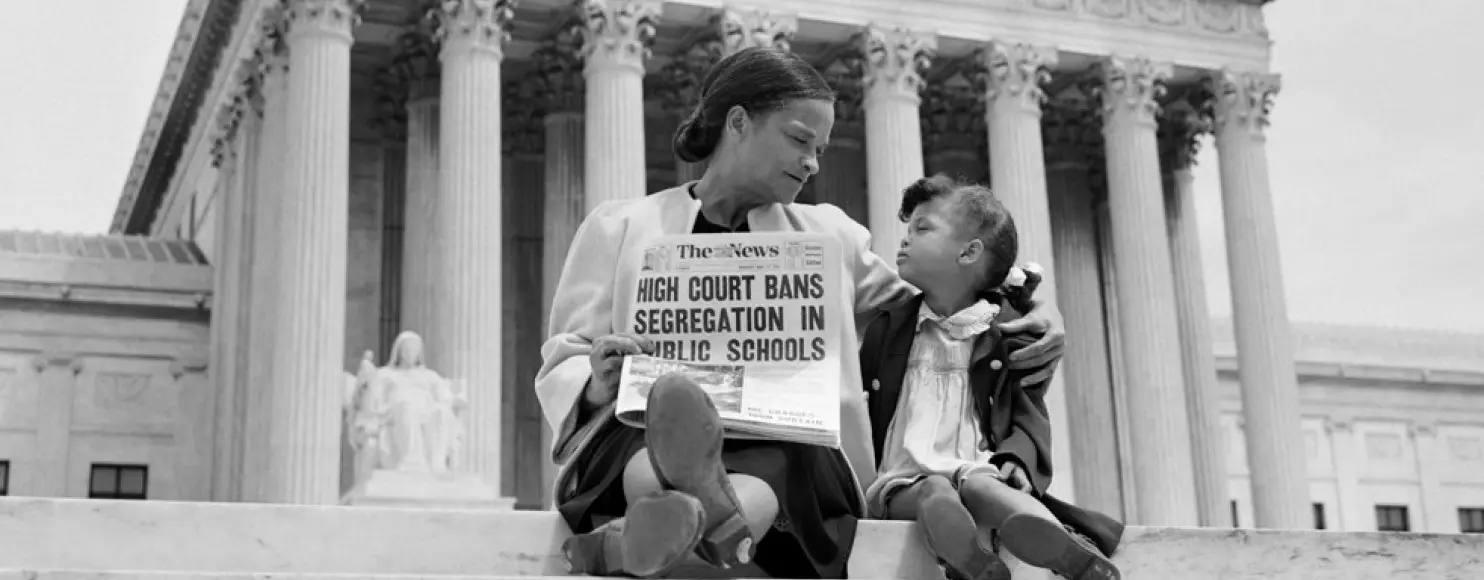
“Separate but equal” was the infamous justification for the decision in Plessy v Ferguson, the case that formally legalized segregation.
The justification …
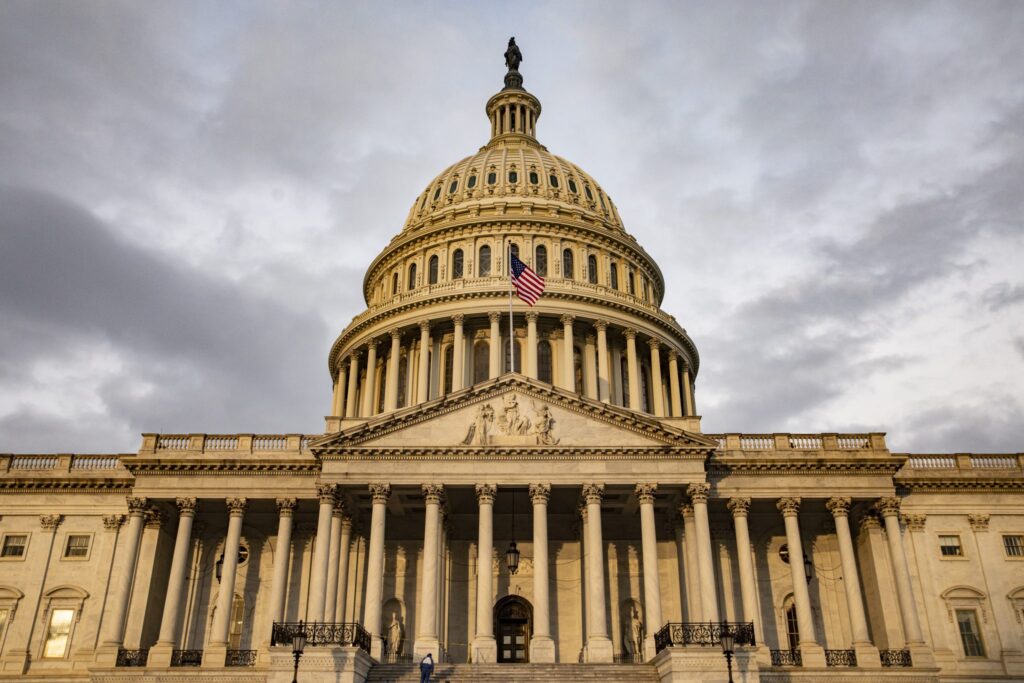
A “one-house bill” is a bill introduced by a lawmaker for the purpose of grandstanding or to demonstrate their effort to fulfill political promises without …
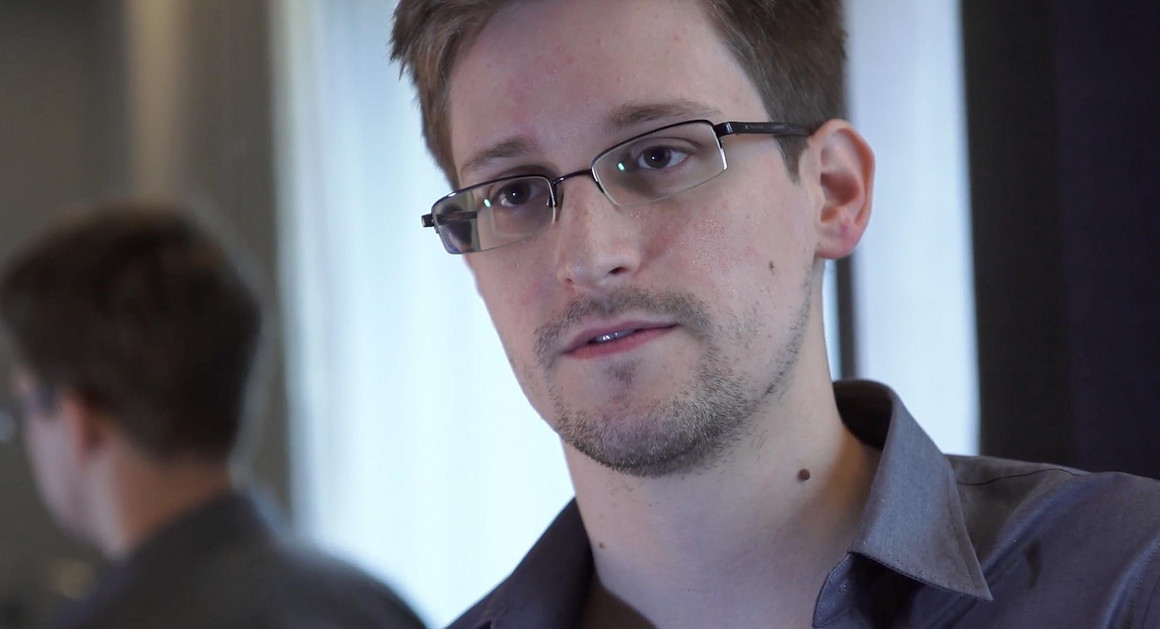
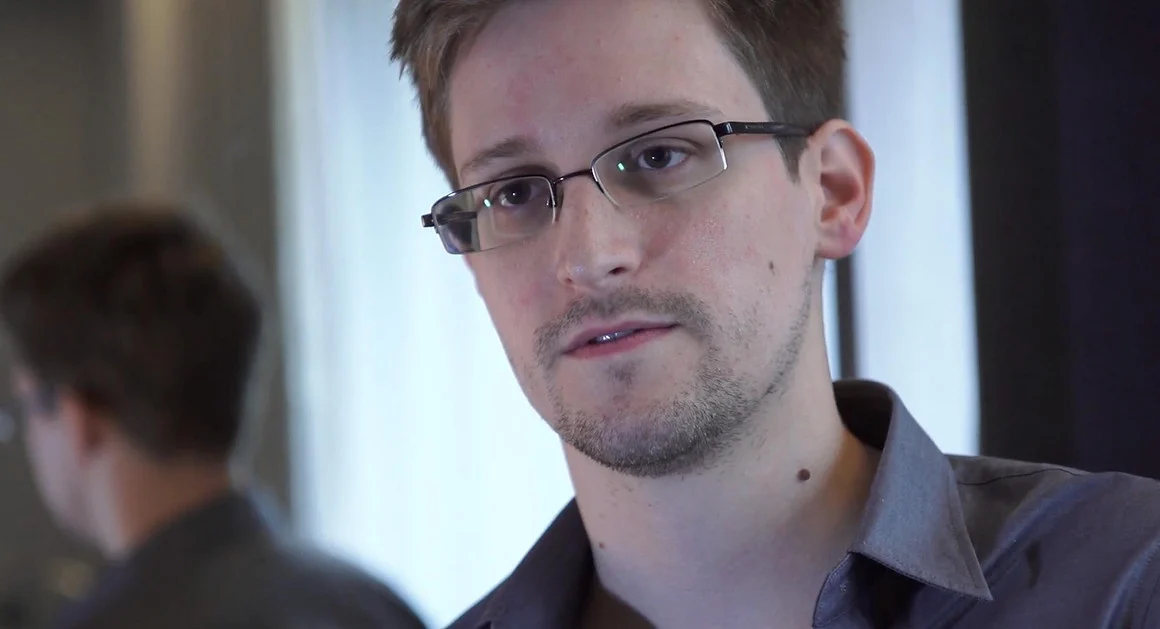
A whistleblower refers to an individual who exposes illicit activities, misconduct, or unethical practices occurring within a political entity, government institution, or related organizations.
Whistleblowers …
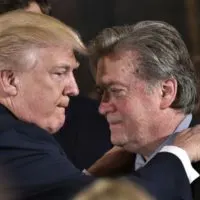
The “deep state” is a conspiracy theory which suggests that collusion exists within the U.S. political system and a hidden government within the legitimately elected …
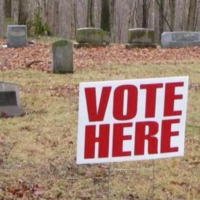
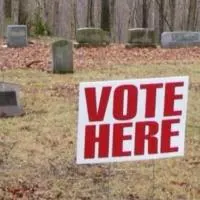
The “cemetery vote” refers to a form of voter fraud, in which votes are cast in the names of registered voters who have, in fact, …
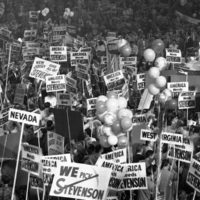
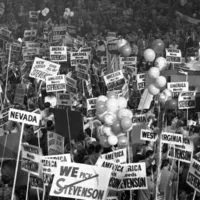
A “contested convention,” sometimes also referred to as a “brokered convention,” occurs when no single candidate for president secures the majority of delegates …
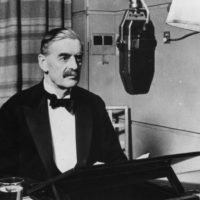
“Appeasement” is a diplomatic policy in which nations attempt to make peace by making concessions to an aggressive nation. Appeasement is often linked with the …
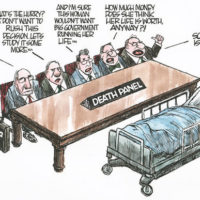
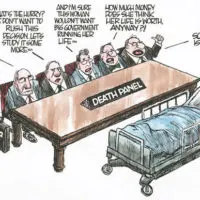
“Death panels” was a political term which falsely referred to the supposed dangers posed by the Affordable Care Act.
Some opponents of the law, better …
A “cromnibus” bill is legislation which combines a long-term omnibus spending bill with a shorter-term continuing resolution.
From Marketplace:
…It’s that time of year
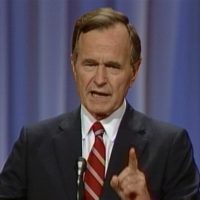
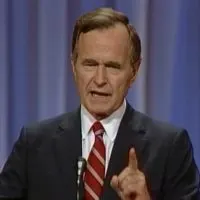
“Read my lips” ia a phrase used by George H.W. Bush in his speech for the 1988 Republican nomination for president.
The full quote is …
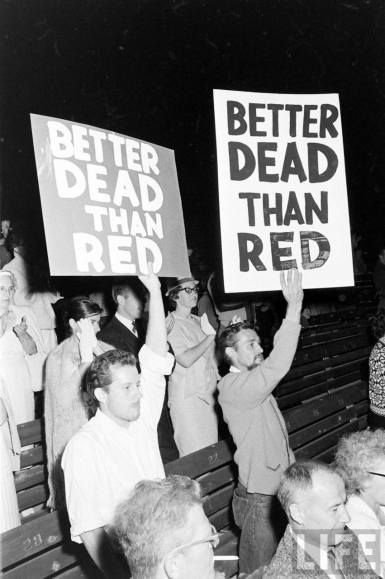
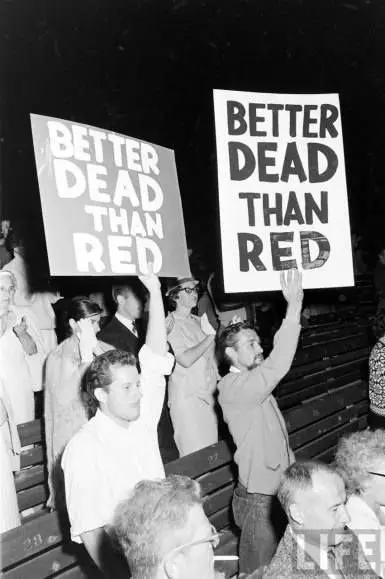
“Better red than dead” is a phrase that reflects the belief that, despite the widespread perceived dangers of communism and the Soviet Union, it was …
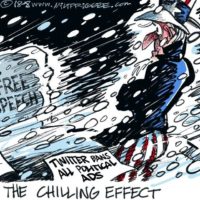
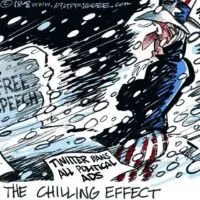
A “chilling effect” is a situation in which rights are restricted, often because of indirect political pressure or overbroad legislation.
Chilling effect is usually used …
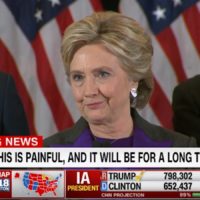
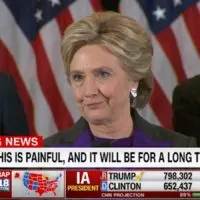
A “concession speech” is the speech a candidate delivers after the vote results are clear, when they publicly acknowledge that they’ve been defeated in an …
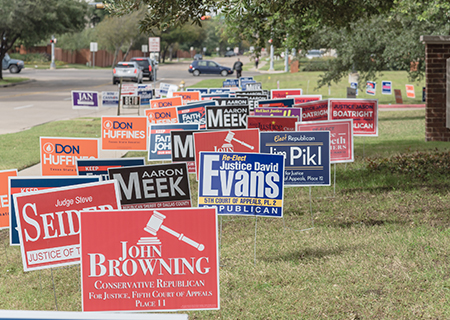
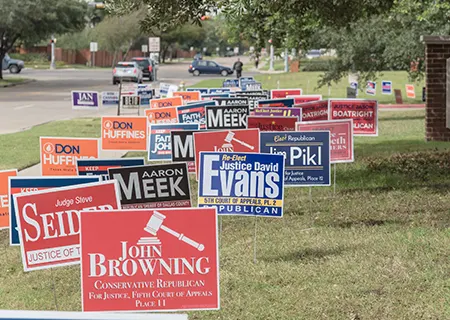
A “slogan” is a short and catchy phrase used to promote a candidate for political office or an idea.
Slogans are crafted to be catchy, …
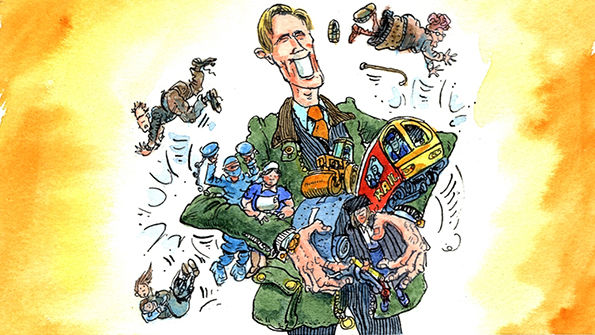
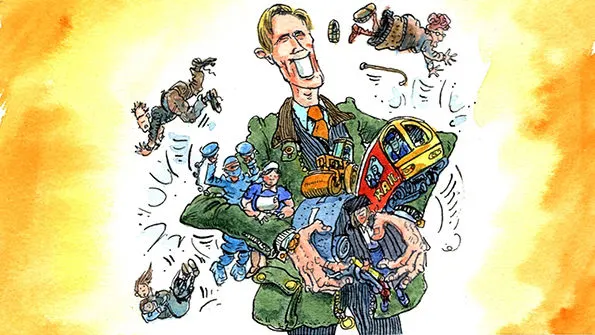
The term “sharp-elbowed” refers in politics to being aggressive and assertive when it comes to pursuing a political agenda or pushing one’s point of view.…
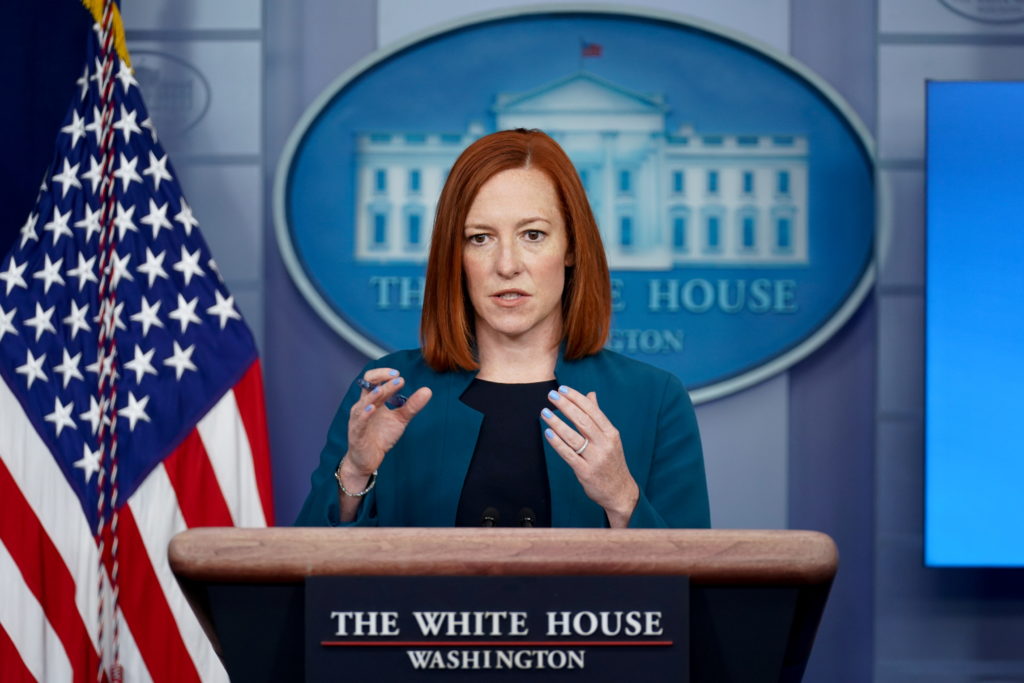
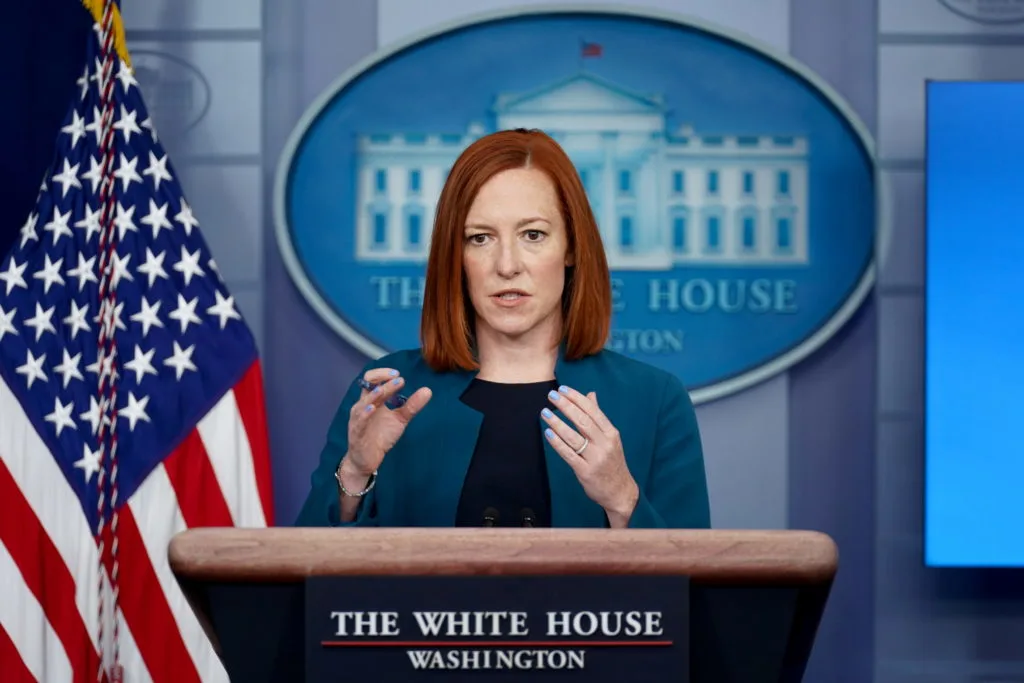
“Off the record” is a term used in journalism meaning that the information given to the reporter cannot be attributed to the person saying it.…
A “city on a hill” is used to refer to America’s supposed standing in the world, as a “beacon of hope” which other nations can …
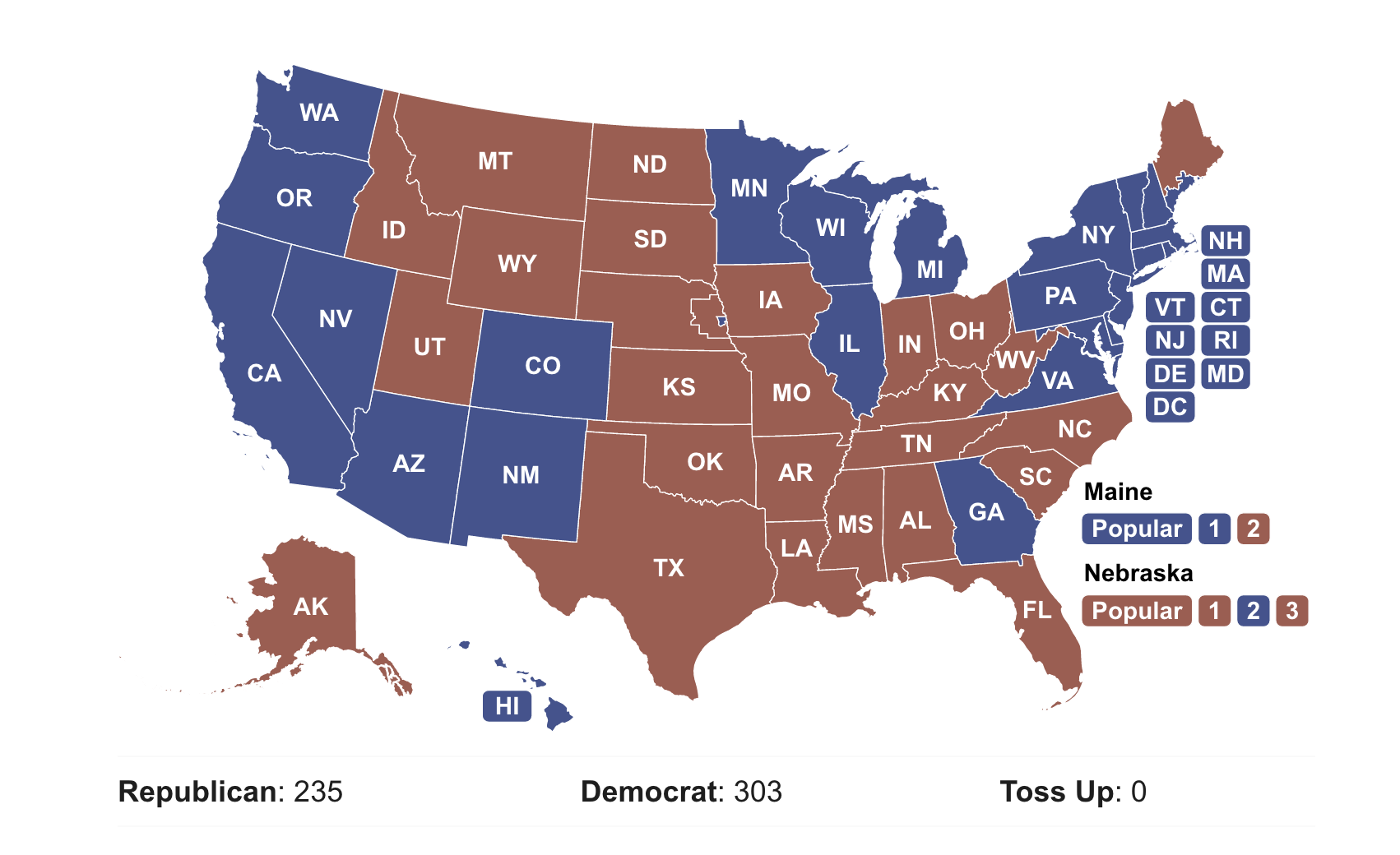
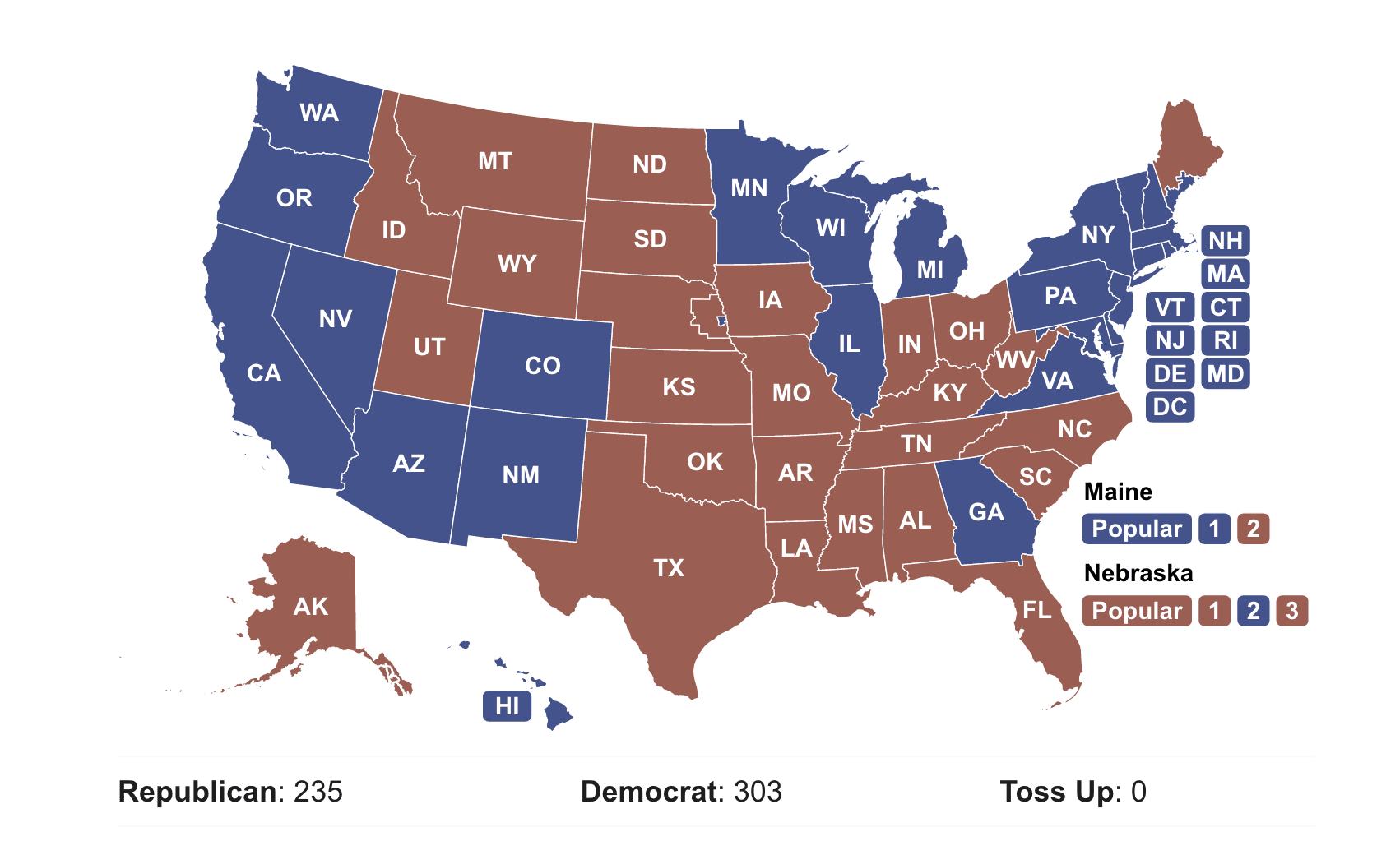
A “red state” is one whose voters elect primarily Republican candidates.
It is the opposite of a blue state, which elects primarily Democratic candidates.…
To “send them a message” is a call to action from a politician telling supporters to use their political capital to voice their opinion.
This …
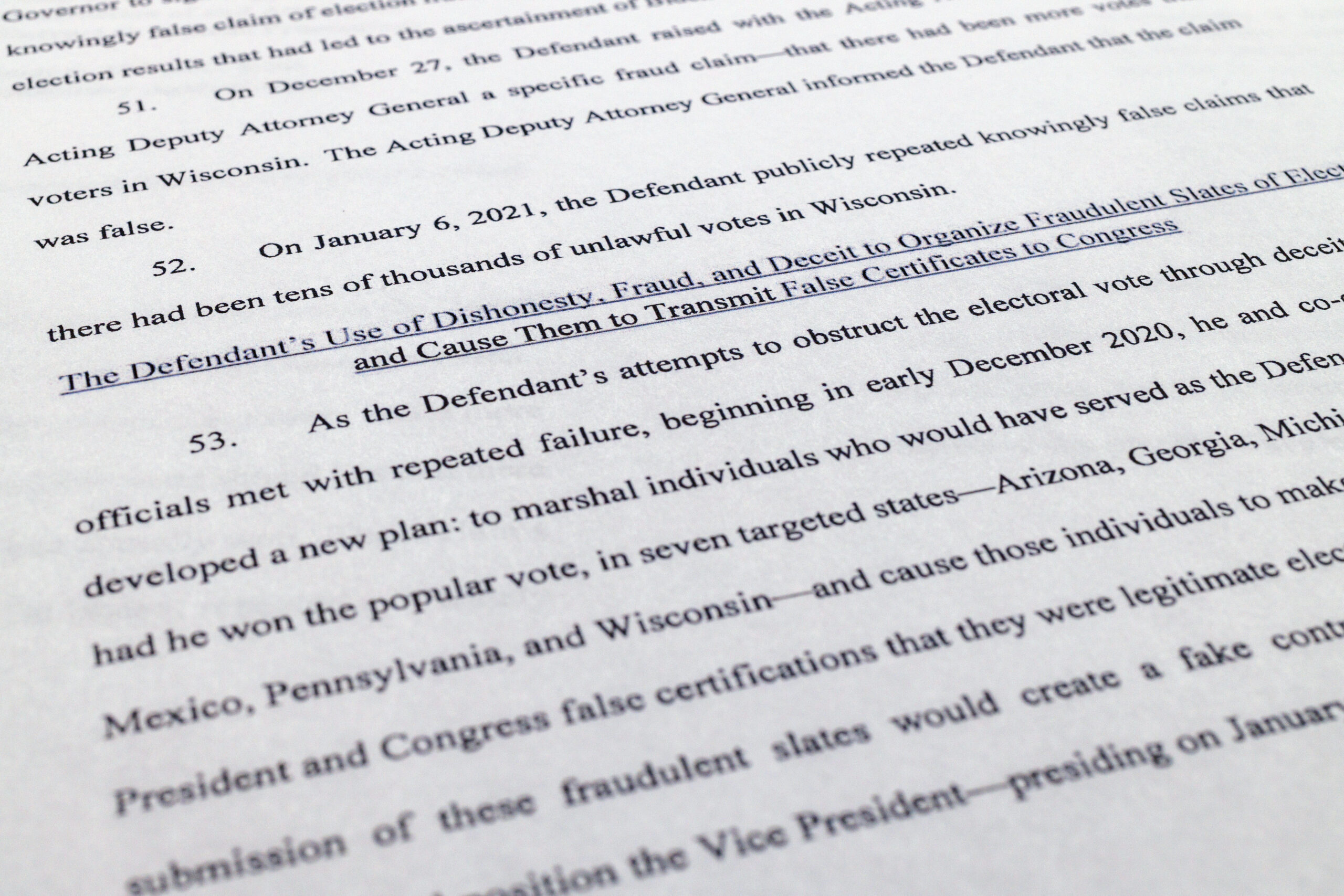
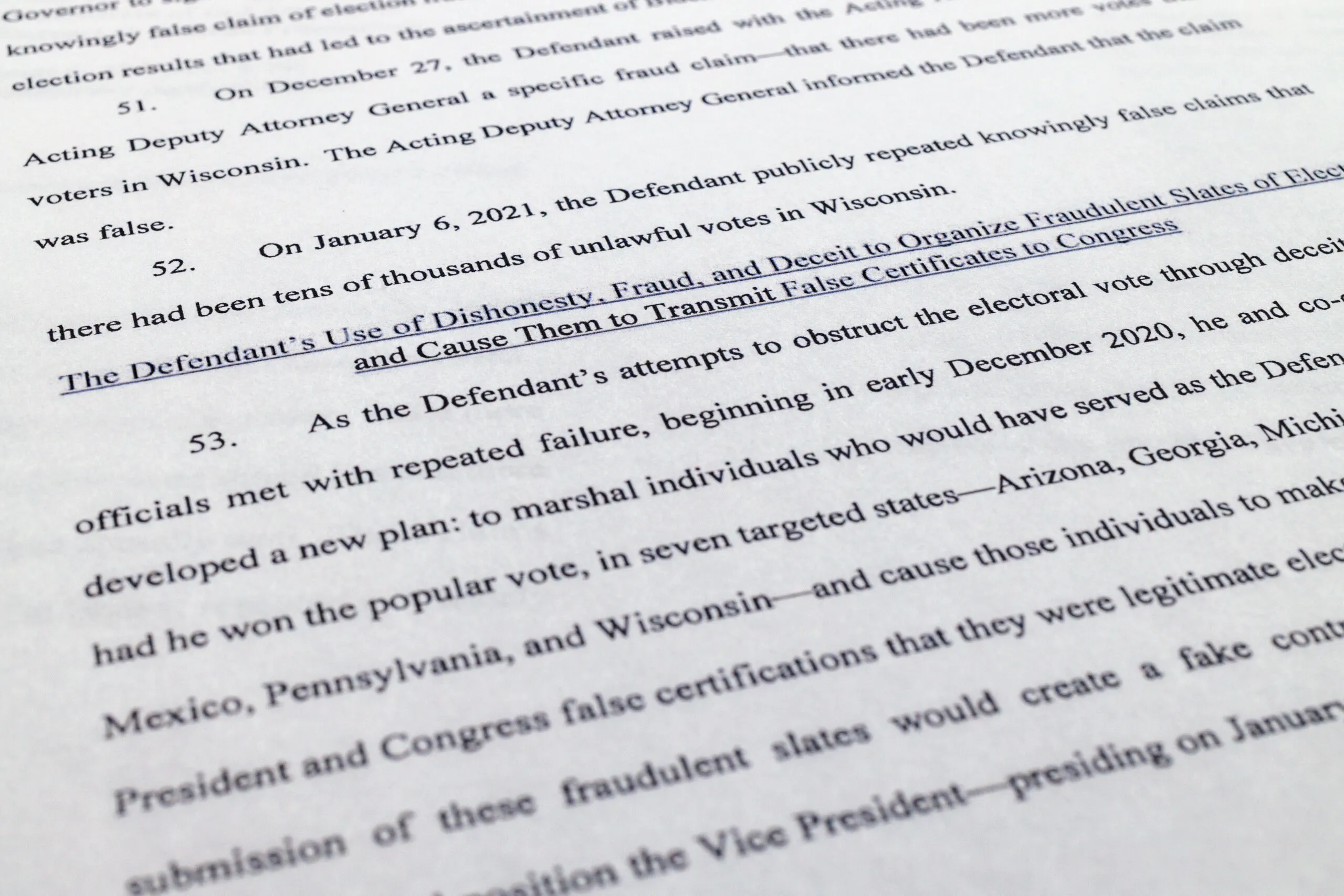
“Fake electors” refers to a controversial incident that emerged during the aftermath of the 2020 presidential election, a hotly contested …
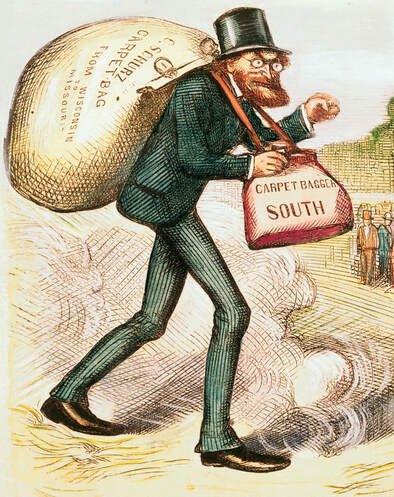
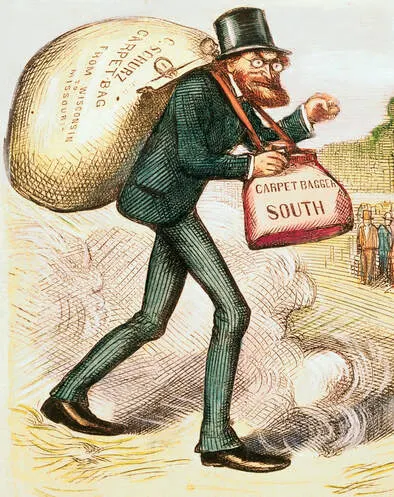
A “scalawag” is a pejorative term for a white southerner who supported Reconstruction efforts in the south in the late 1800s.
They are often associated …
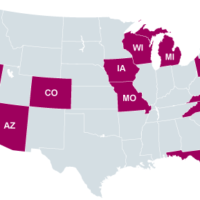
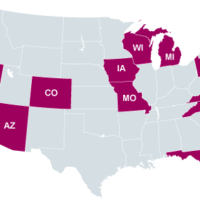
A “purple state” features roughly even numbers of Democratic and Republican supporters in a presidential election.
It’s also a term used for a swing state …
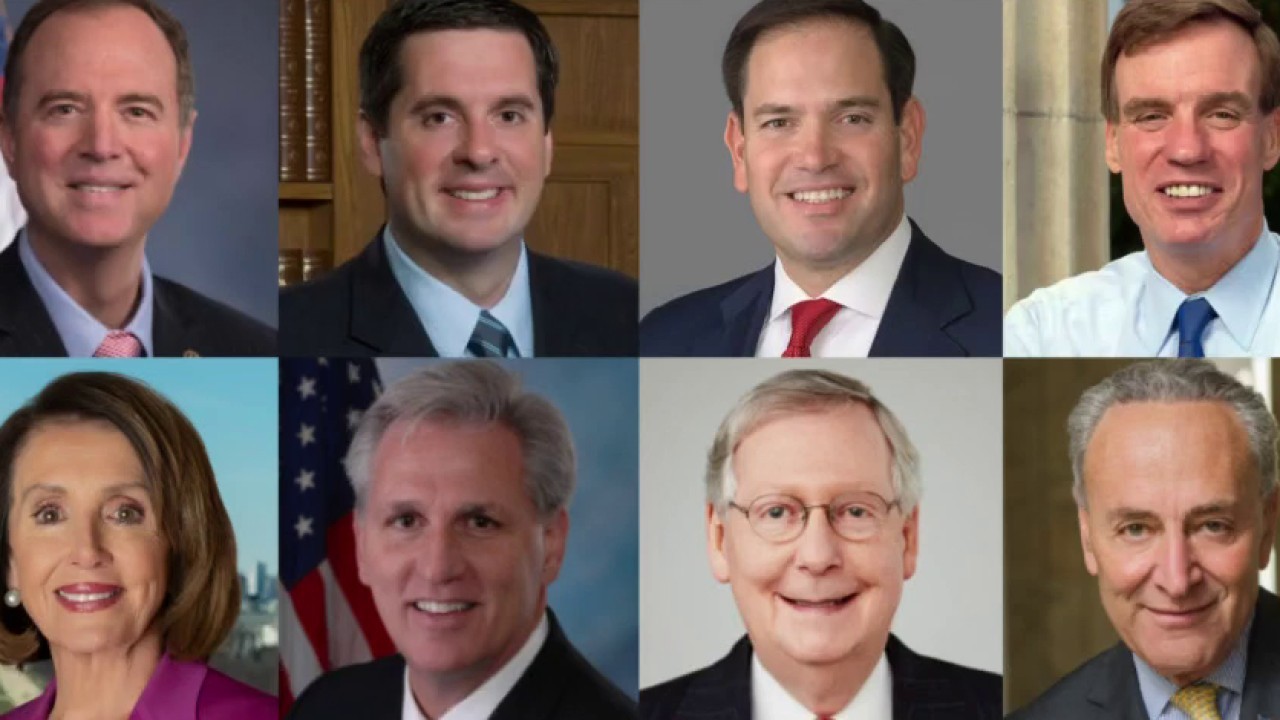
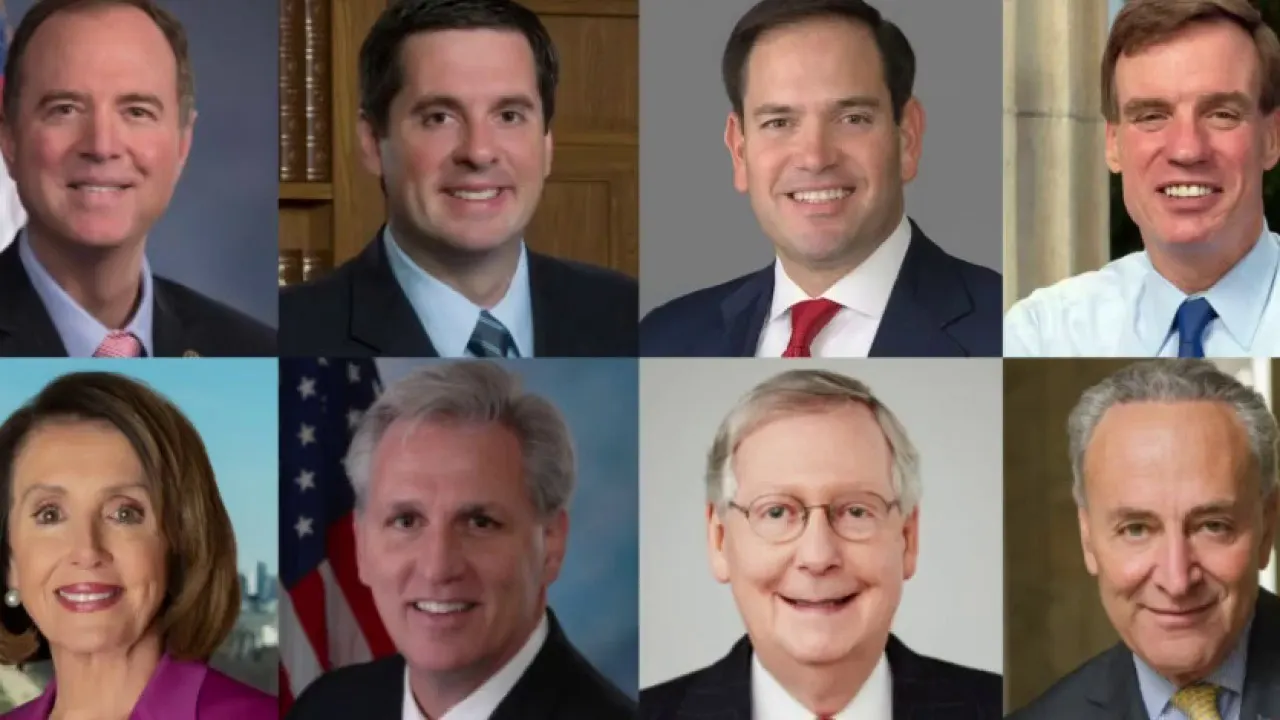
The “Gang of Eight” refers to a group of eight elected officials who are responsible for reviewing and receiving sensitive intelligence information.
Who …
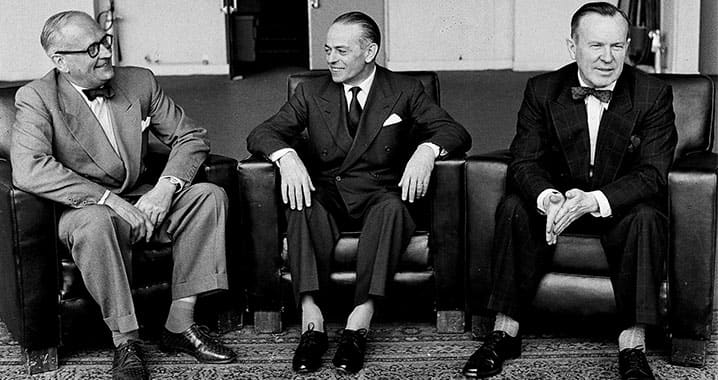
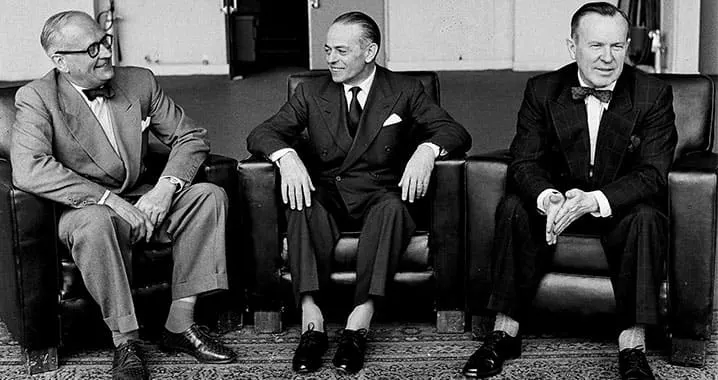
The term “wise men” refers to a group of respected, experienced individuals who are consulted for their expertise and judgment on important matters of policy …
Freedom riders were northerners who took interstate buses down to the south in order to protest Jim Crow and segregation policies.
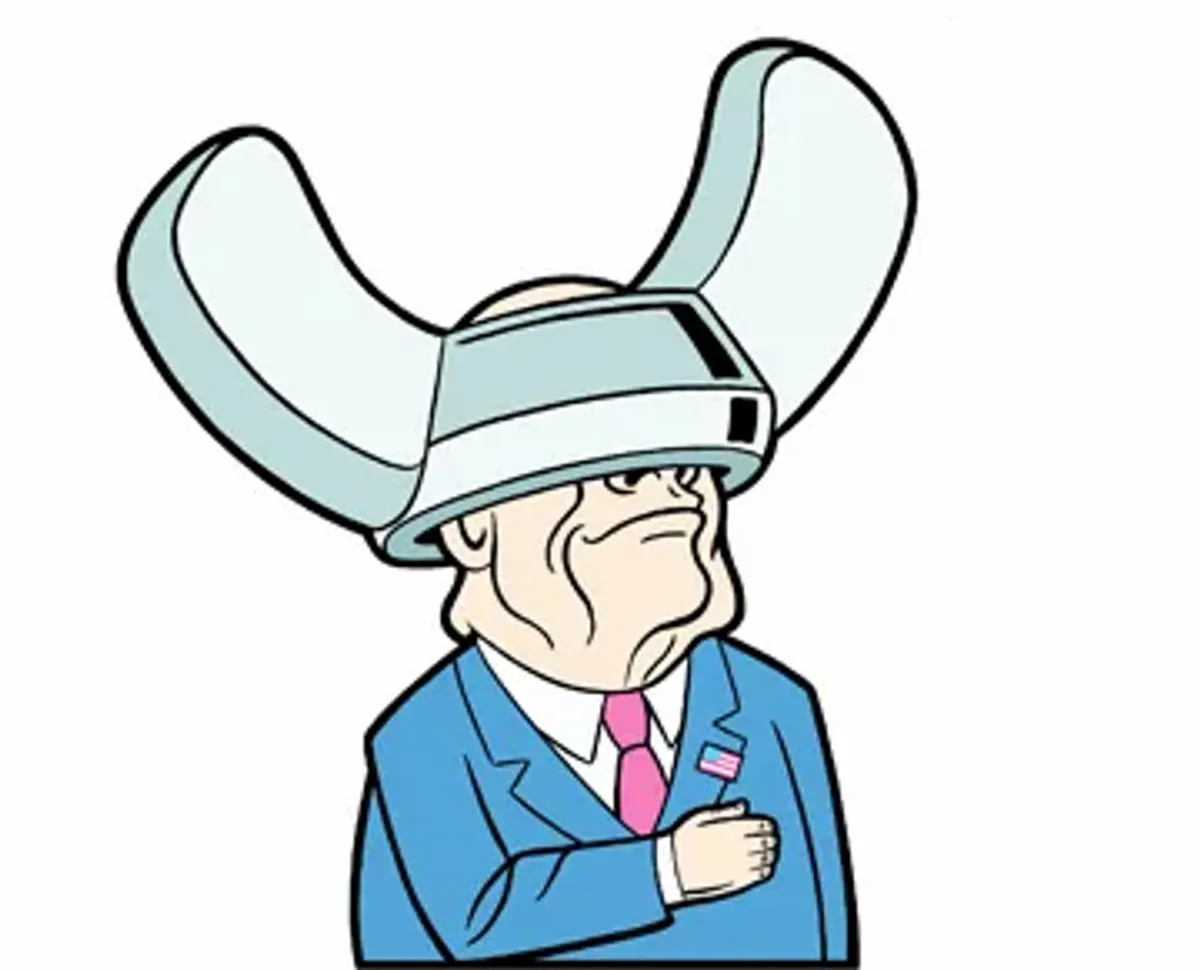
In political parlance, the term “wing nut” is often used as a pejorative to describe someone who holds extreme, radical, or fringe views.
The term …
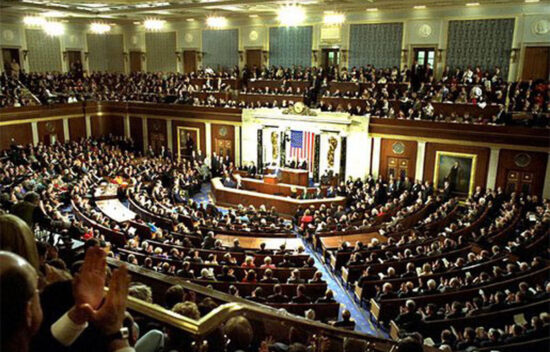
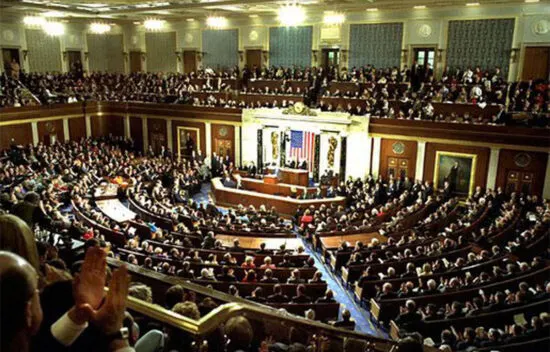
“Under suspension of the rules” refers to a process in the House of Representatives where a bill or resolution is considered without following all the …
The Saturday Night Massacre refers to October 20, 1973, the Saturday night when then-President Richard Nixon gave the order to fire special prosecutor …
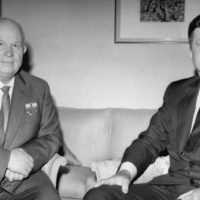
A “back channel” is an unofficial means of communication between two nations or two political entities.
“Backchanneling” is also used as a verb, to refer …
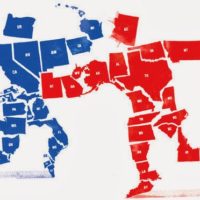
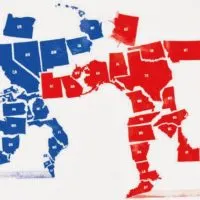
The terms “battleground state” and “swing state” refer to states that have closely divided support for Democratic and Republican presidential candidates.
They are …
“Entryism” is a political tactic of joining an organization with which you do not agree with the intention of changing it from the inside.
The …
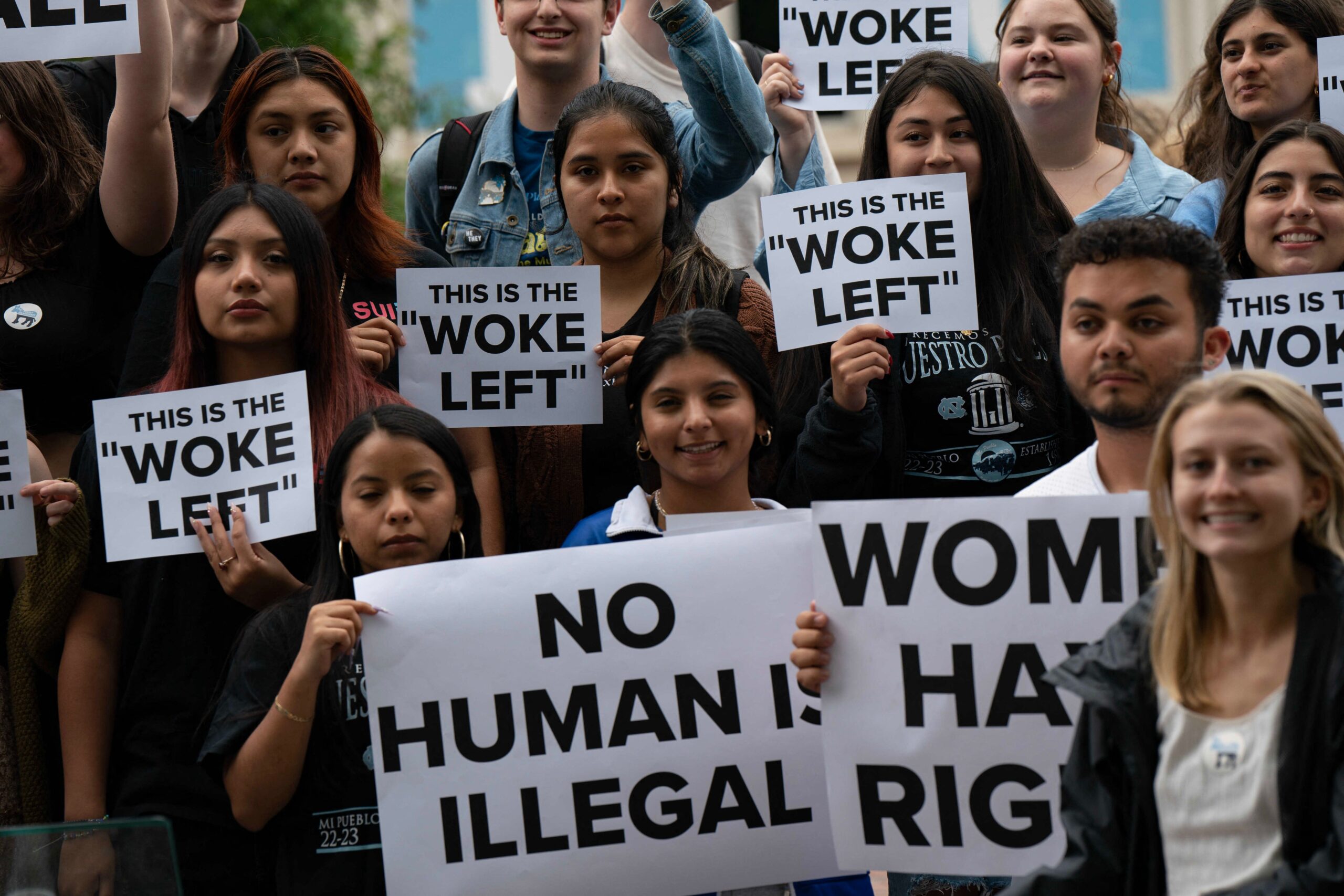
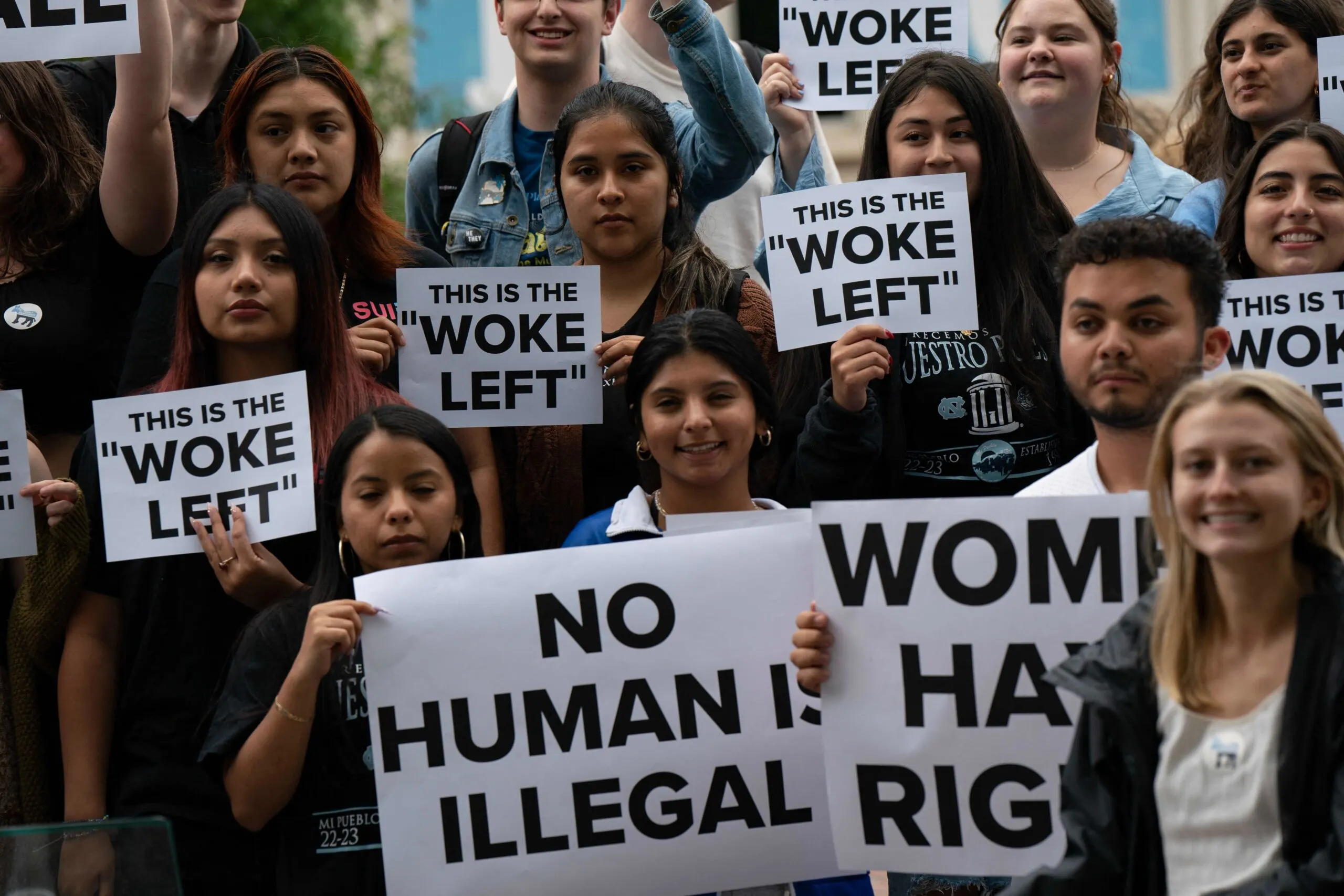
“Woke” is a term that has evolved and expanded in usage, particularly within political and cultural discourse.
The term is connected to the broader concept …
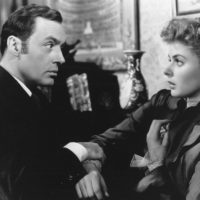
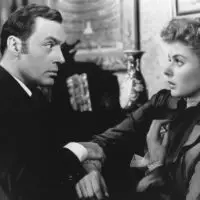
Gaslighting is a form of psychological manipulation that seeks to sow seeds of doubt in a targeted individual or group.
It makes them …

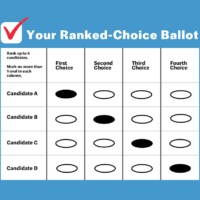
Ranked-choice voting is an electoral system where voters rank candidates in order of preference, instead of voting for just one candidate.
If no candidate receives …
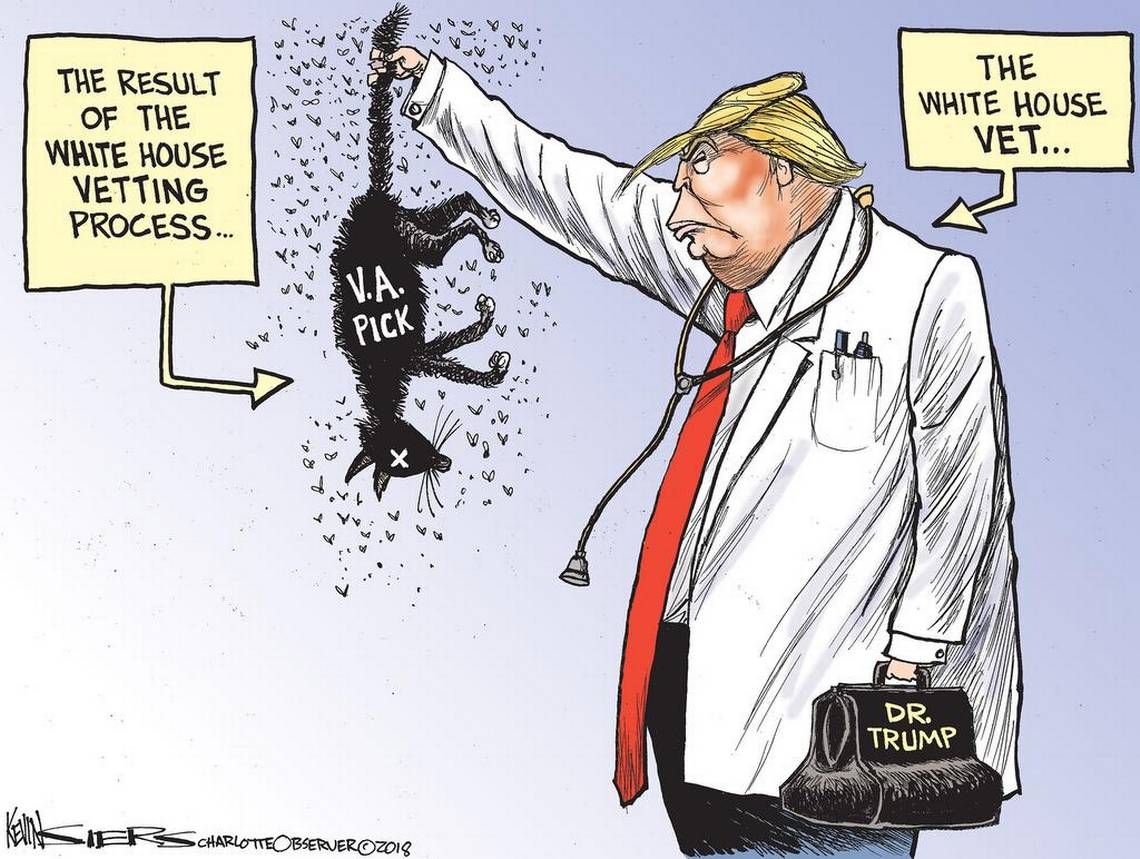
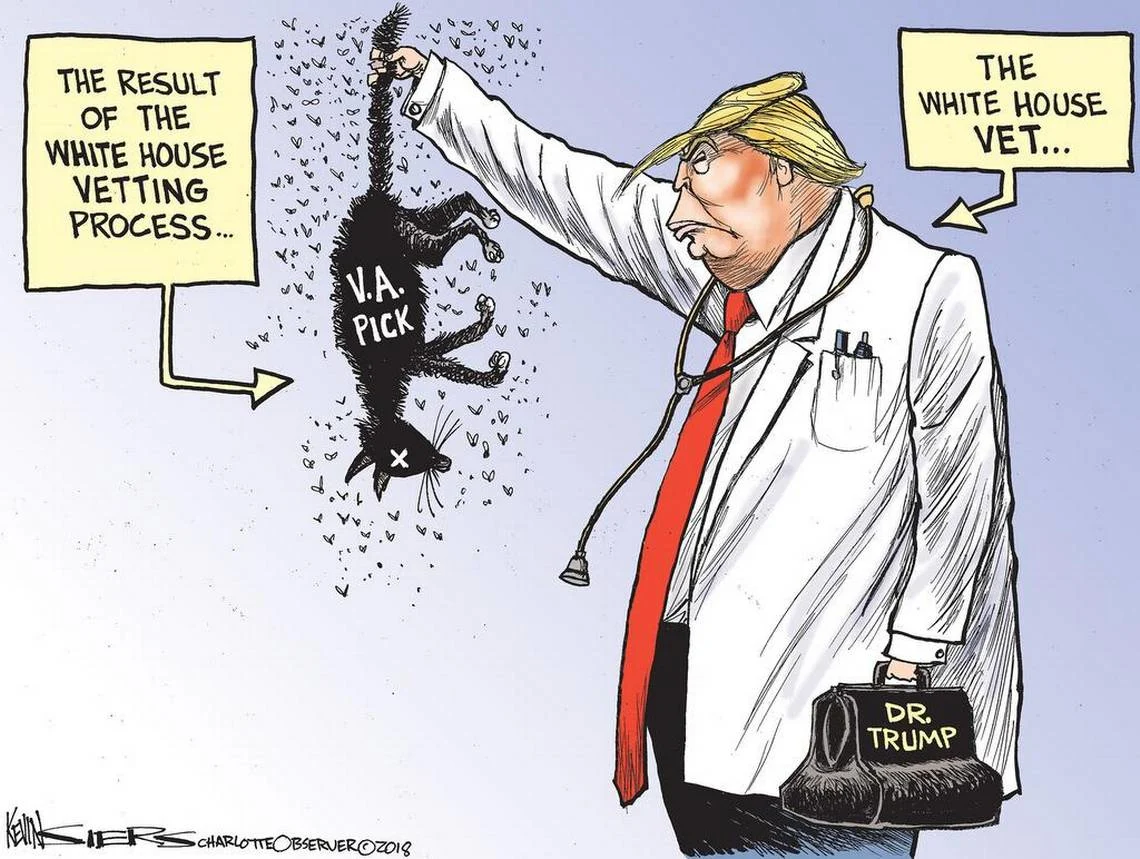
In politics, “vetting” refers to the process of thoroughly investigating and evaluating a candidate’s background, qualifications, and character before they are selected for a political …
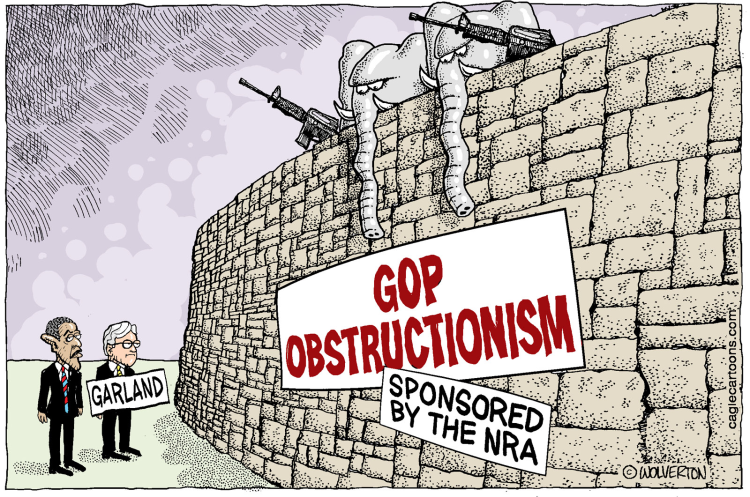
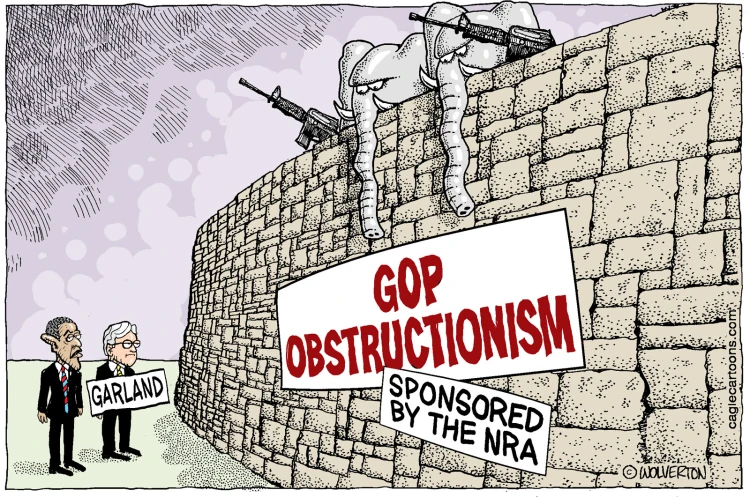
“Obstructionism” is the act of deliberately stalling, delaying, or preventing legislation from being passed.
It is a tactic used to delay, alter, or prevent specific …


The “Daisy ad” is a political advertisement that aired only once during the 1964 U.S. presidential campaign but has since become emblematic of …
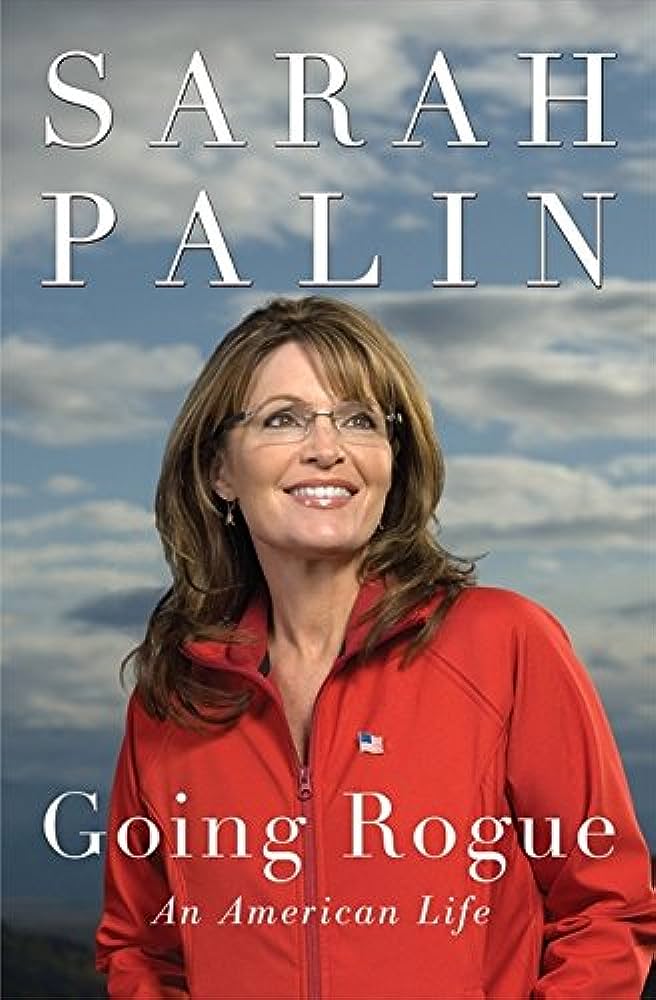

The term “going rogue” is used to describe a situation where a politician breaks with established norms and party lines.
This can involve expressing …
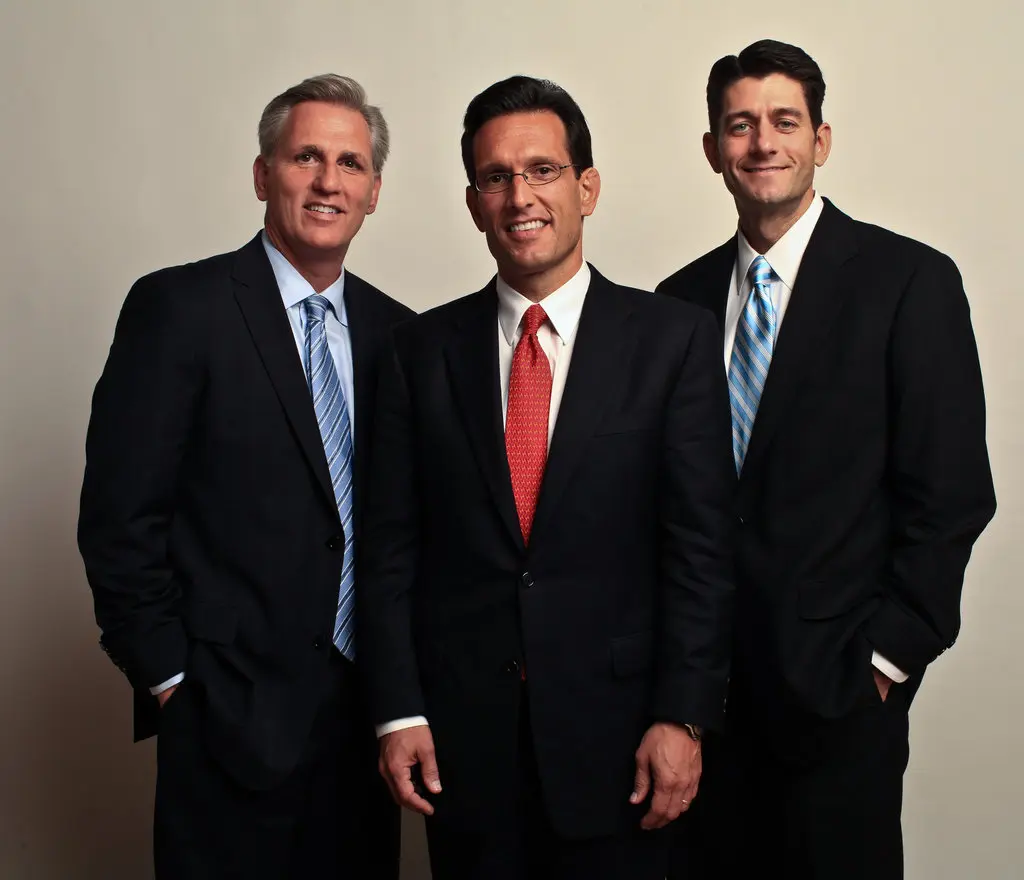
The term “young guns” is often used to refer to a group of up-and-coming, ambitious individuals who are seen as the future leaders or influencers …
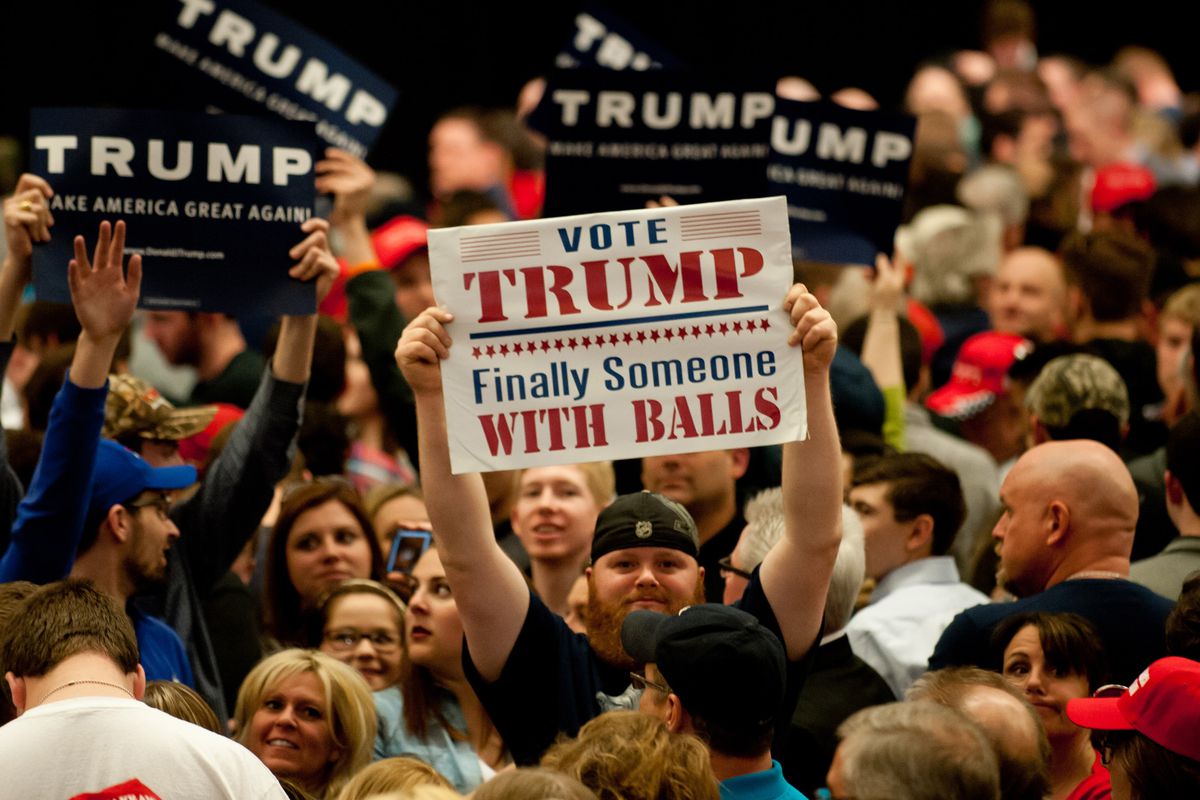
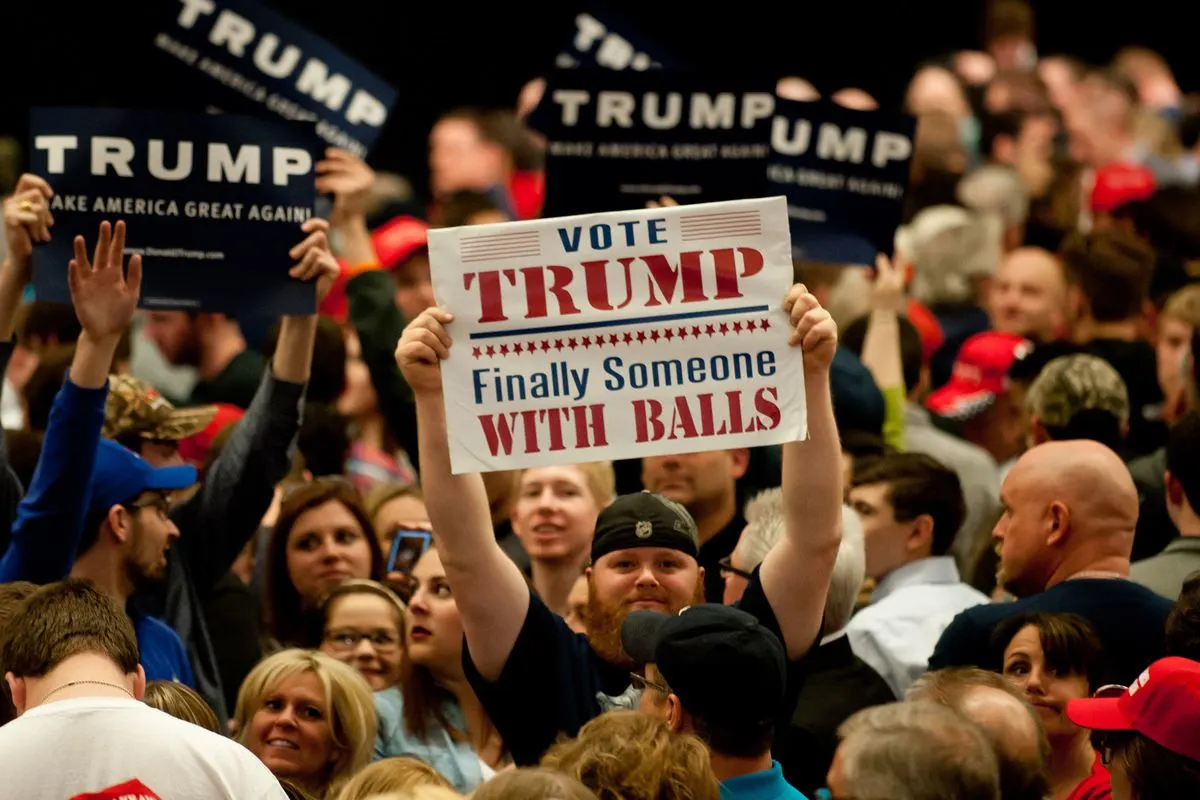
A “true believer” refers to an individual who passionately supports a particular ideology, political party, or politician with unwavering conviction.
Such individuals often hold their …
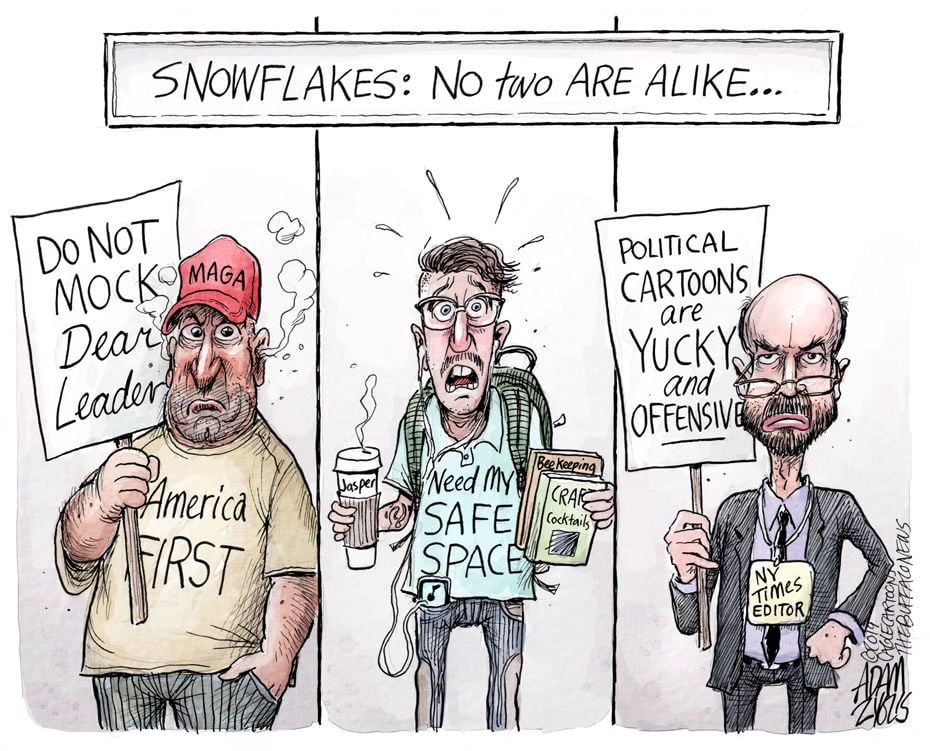
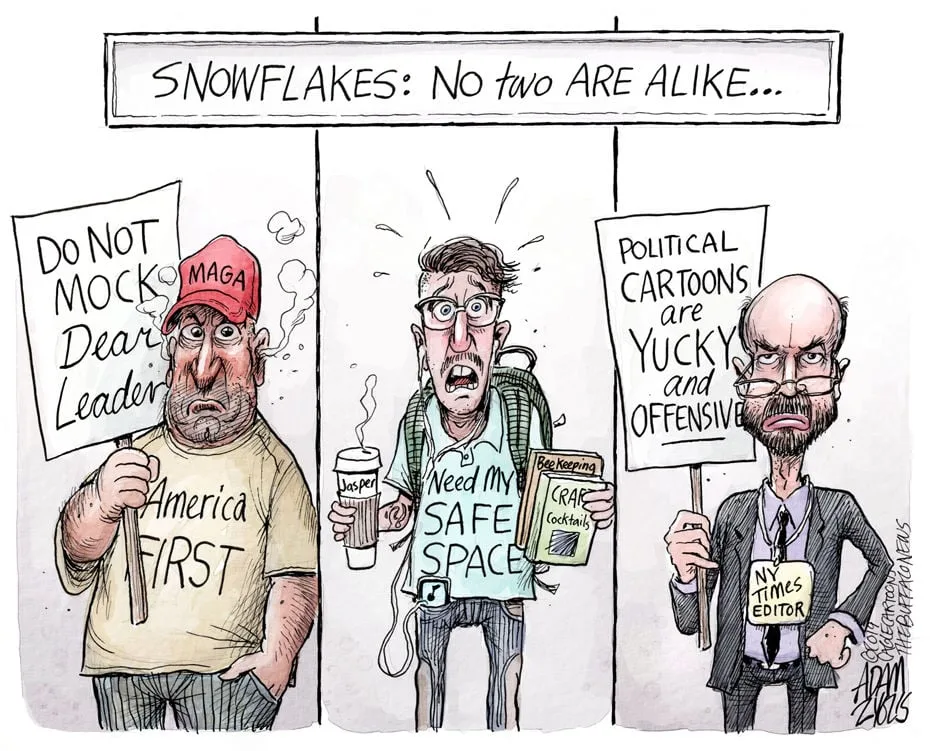
The term “snowflake” has become a notable expression in contemporary political discourse, particularly within the United States.
As a political term, it is …
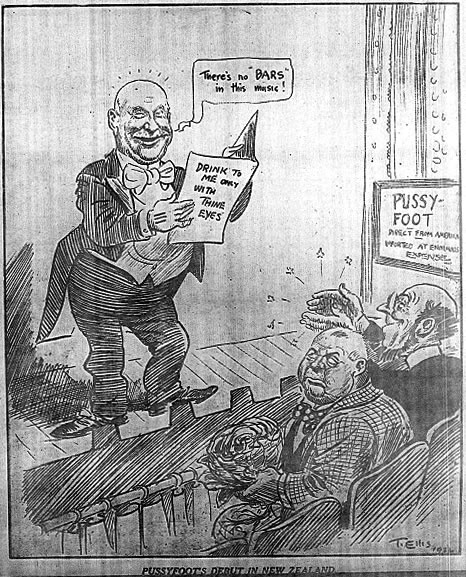
To “pussyfoot” is to proceed with caution, to move warily but steadily or to sidestep an issue as to not take a side.
It is …
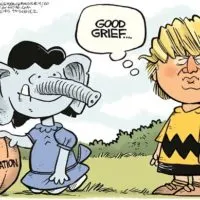
A political football is an otherwise non-partisan issue which politicians try to capitalize on and turn to their advantage.
Something is said to be a …
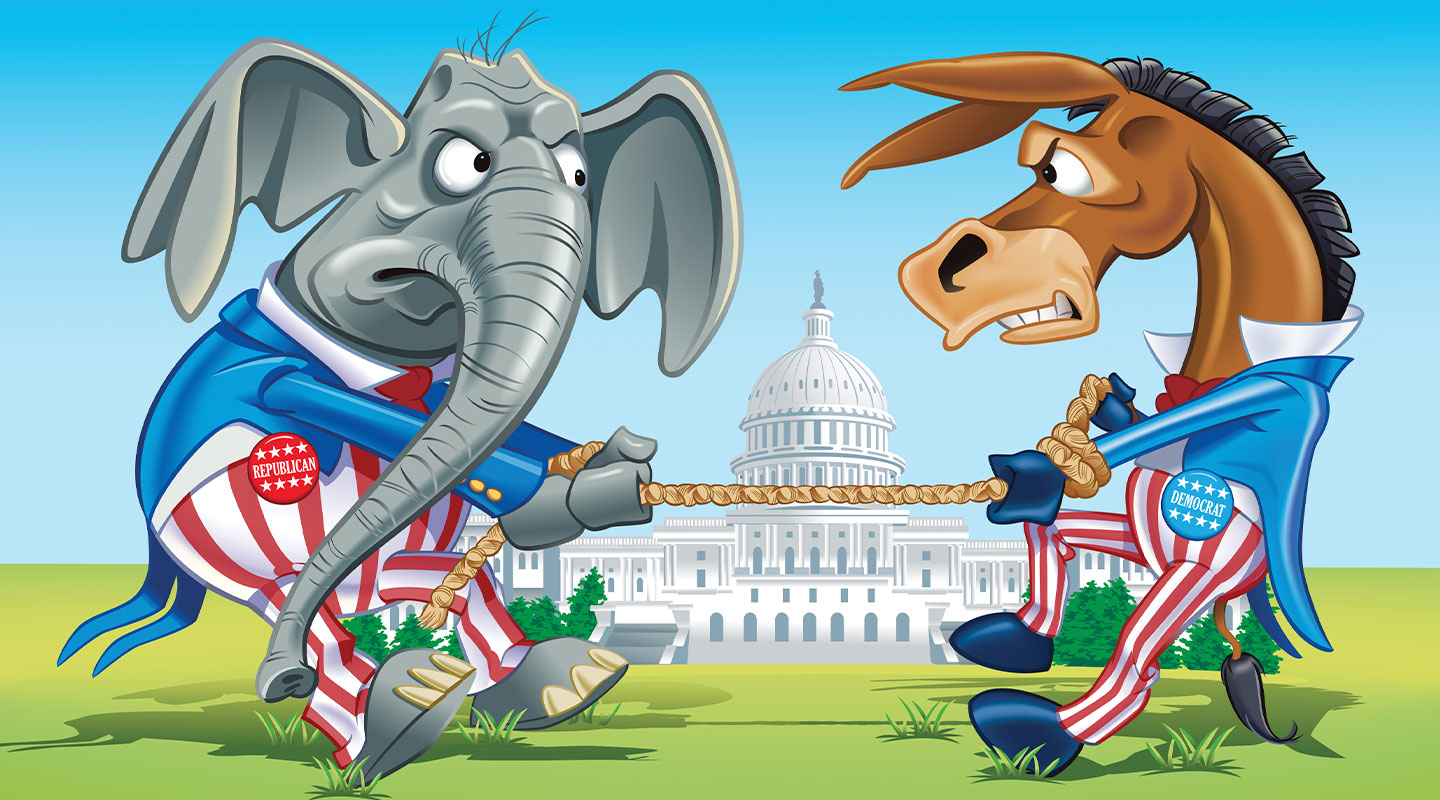
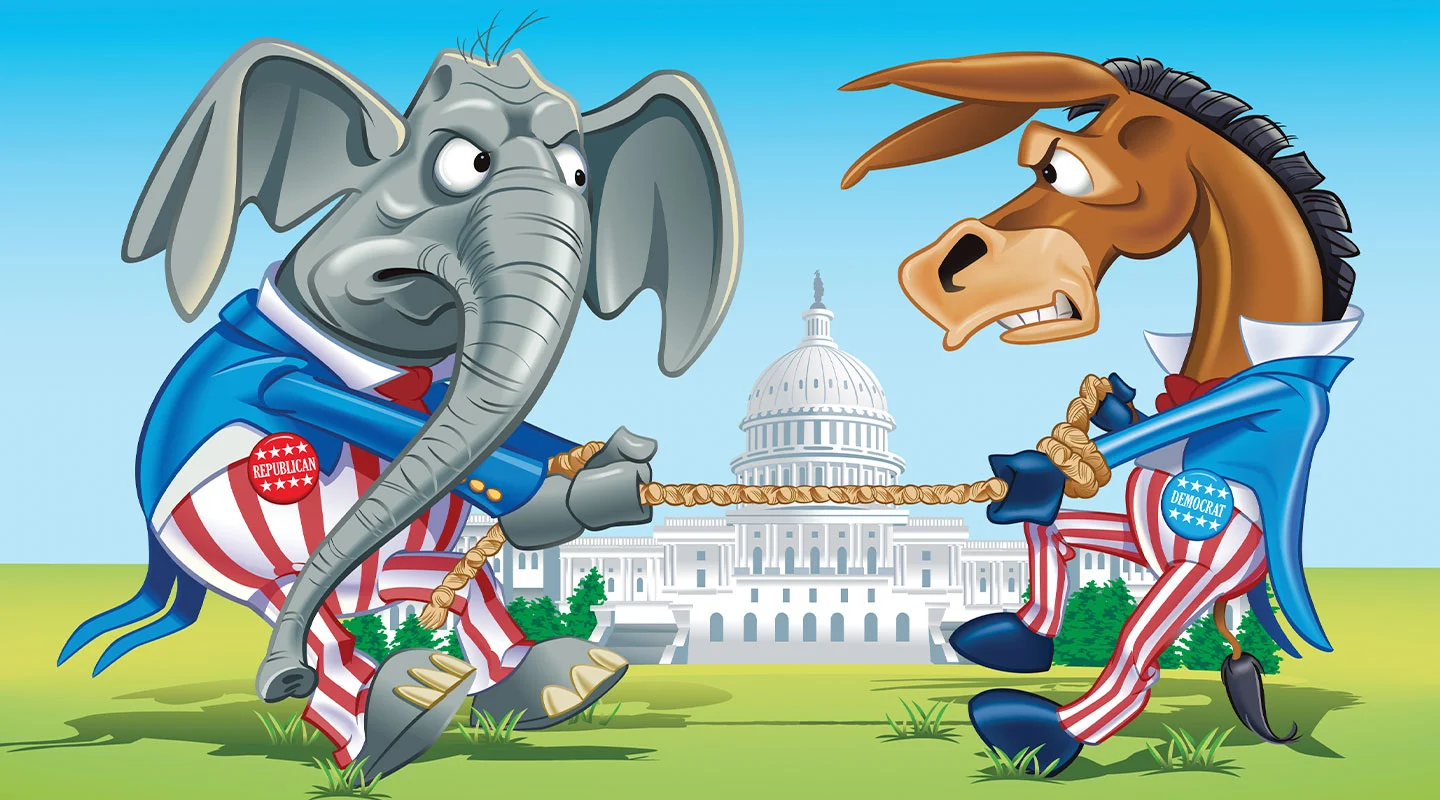
The term “party line” refers to the officially agreed-upon policy positions of a political party.
It can also refer to the way in which members …
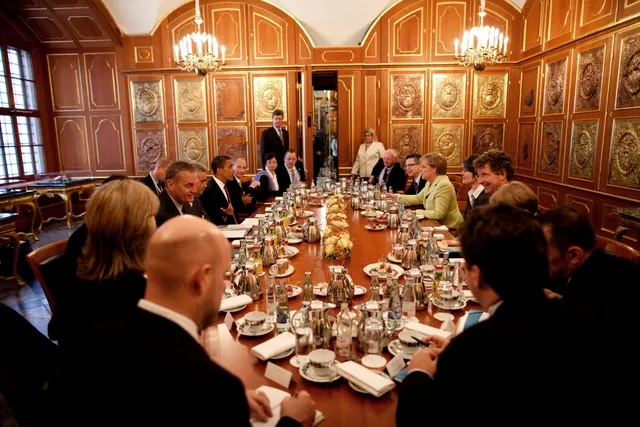
“Movers and shakers” are those who have power and influence in business, politics, or other segments of the public sphere.
Party leadership, committee leaders, or …
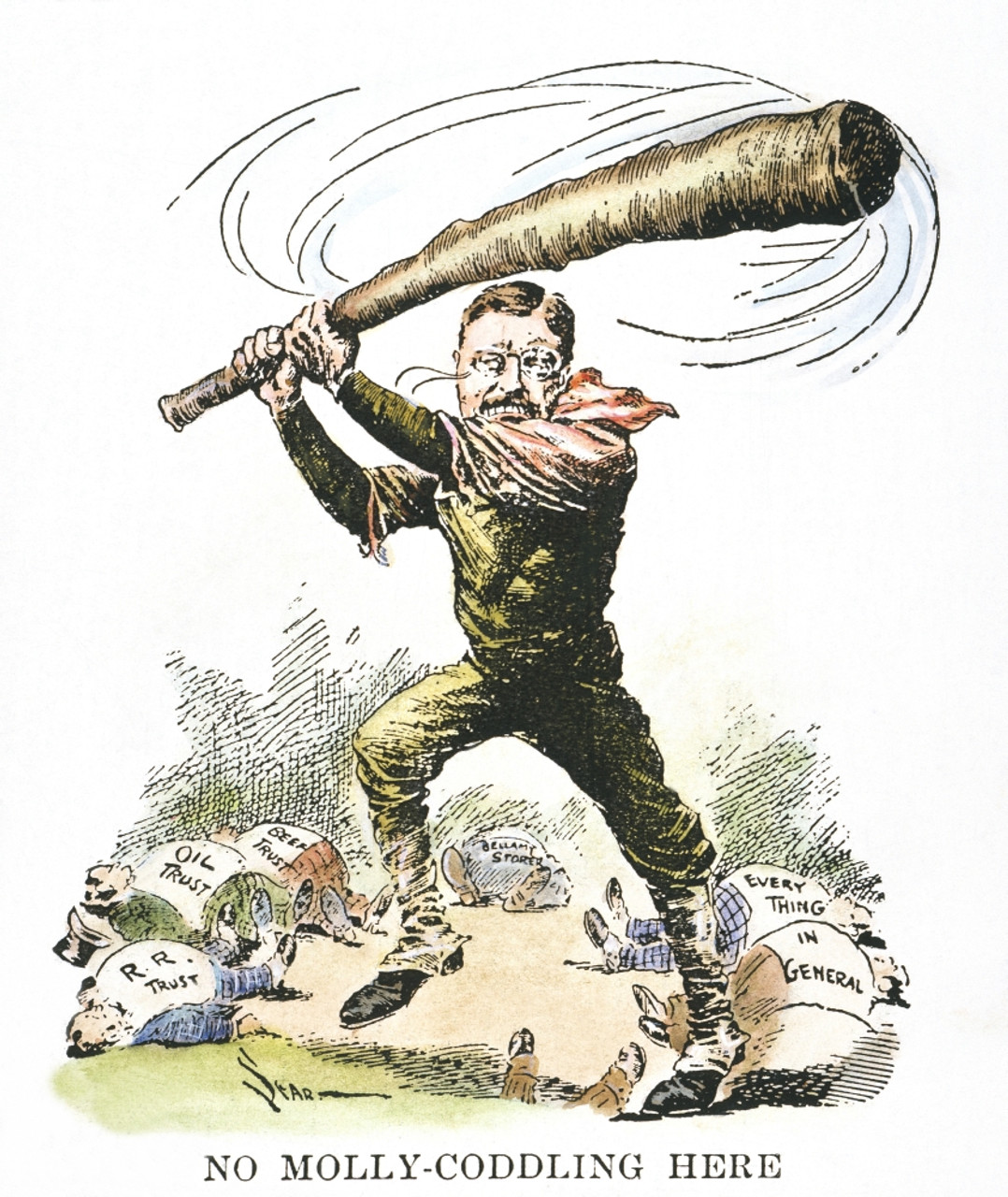
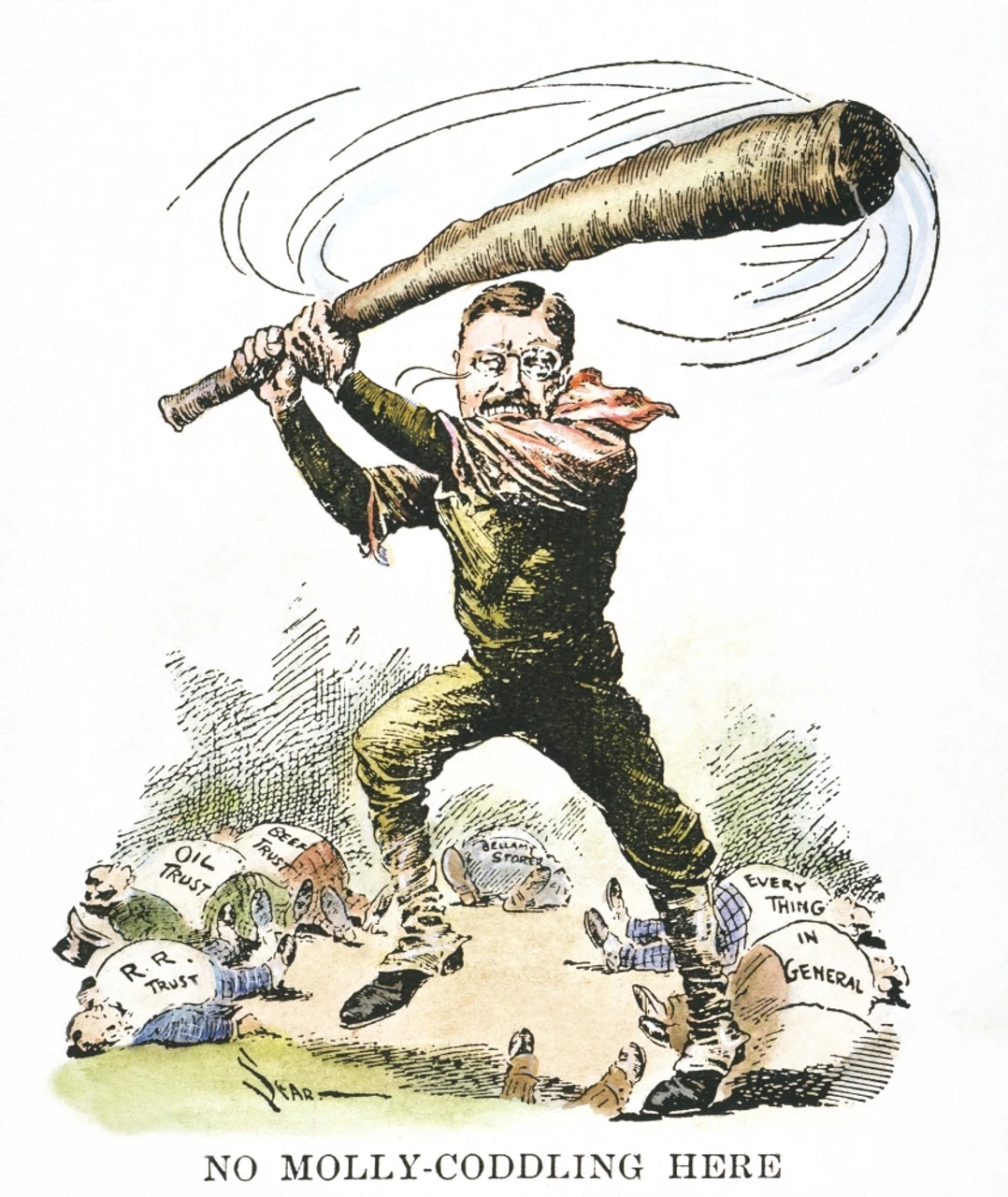
The term “mollycoddle” means to treat certain constituents or voters in an almost absurdly overprotective way.
Typically used in the context of the “welfare state” …
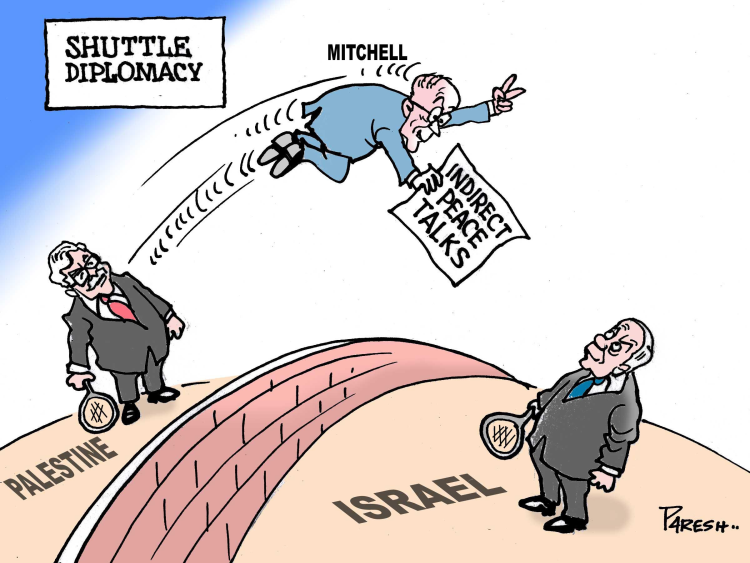
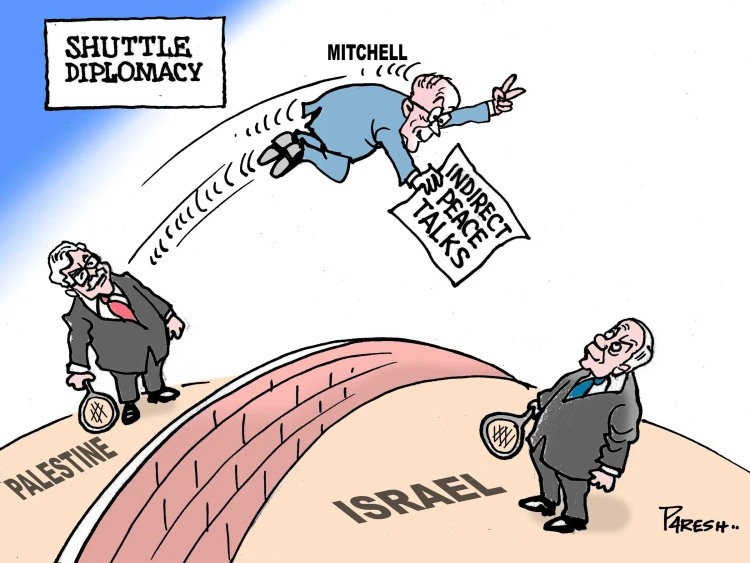
Shuttle diplomacy is a method of negotiation where an intermediary, often a high-profile figure, travels back and forth between parties who are either unwilling to …
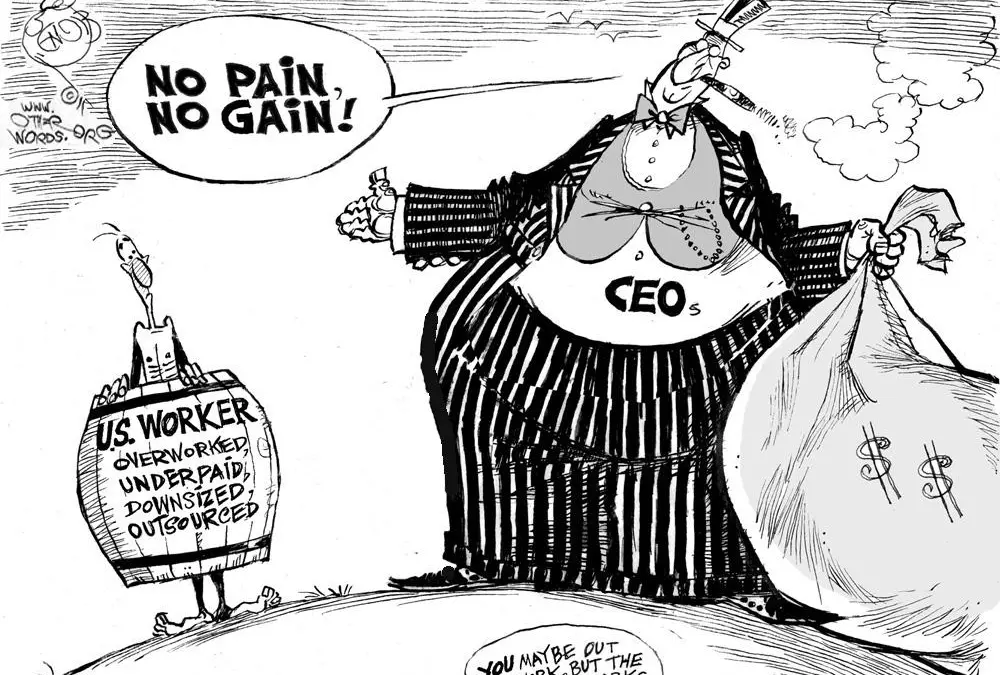
Class warfare refers to the tension and struggle between different socioeconomic classes, often framed as the conflict between the wealthy and the working classes.…
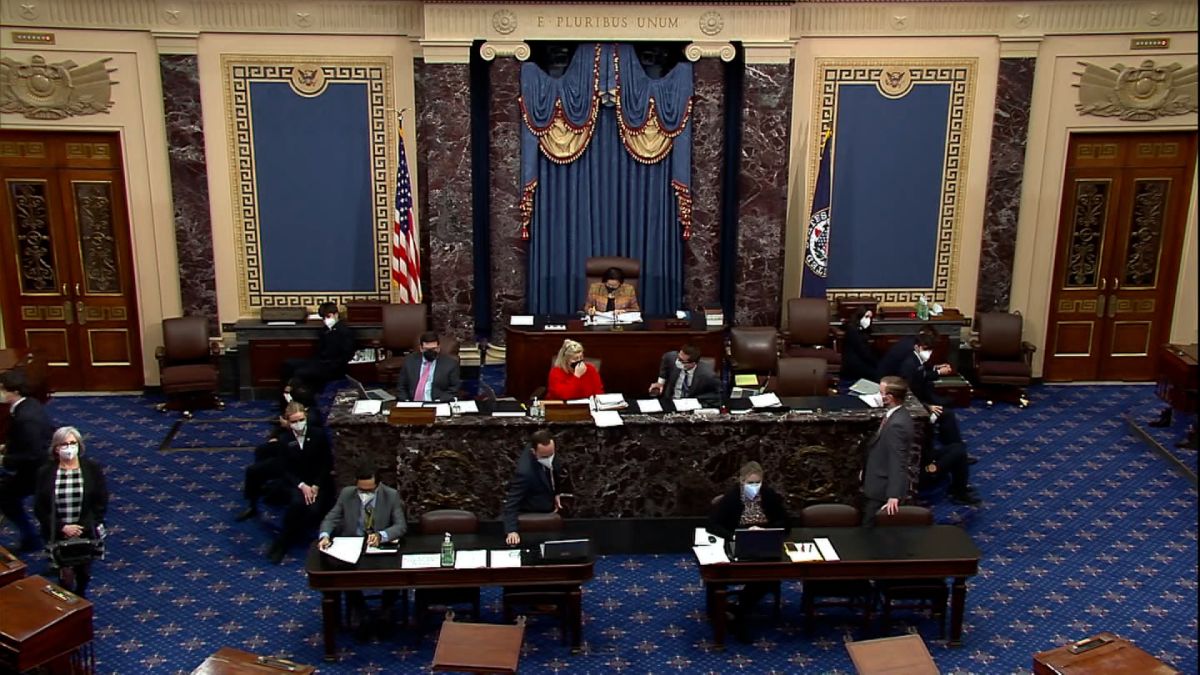
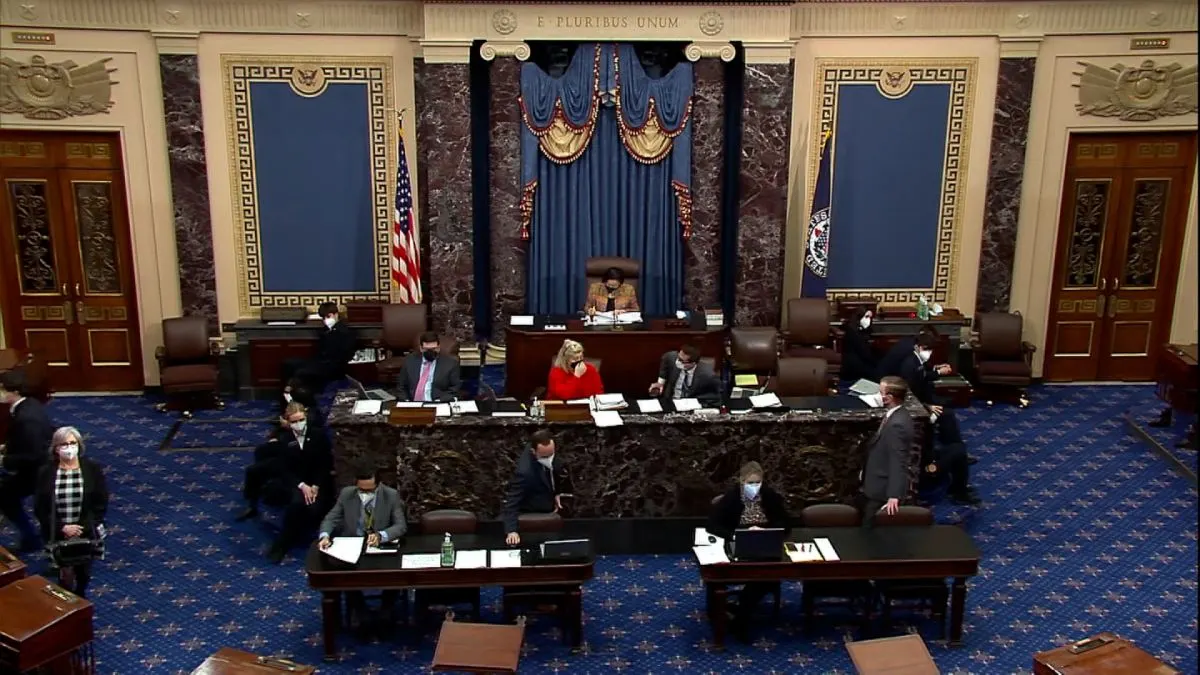
The “nuclear option” is a metaphorical term that refers to a parliamentary procedure in the U.S. Senate allowing for a significant change to the rules …
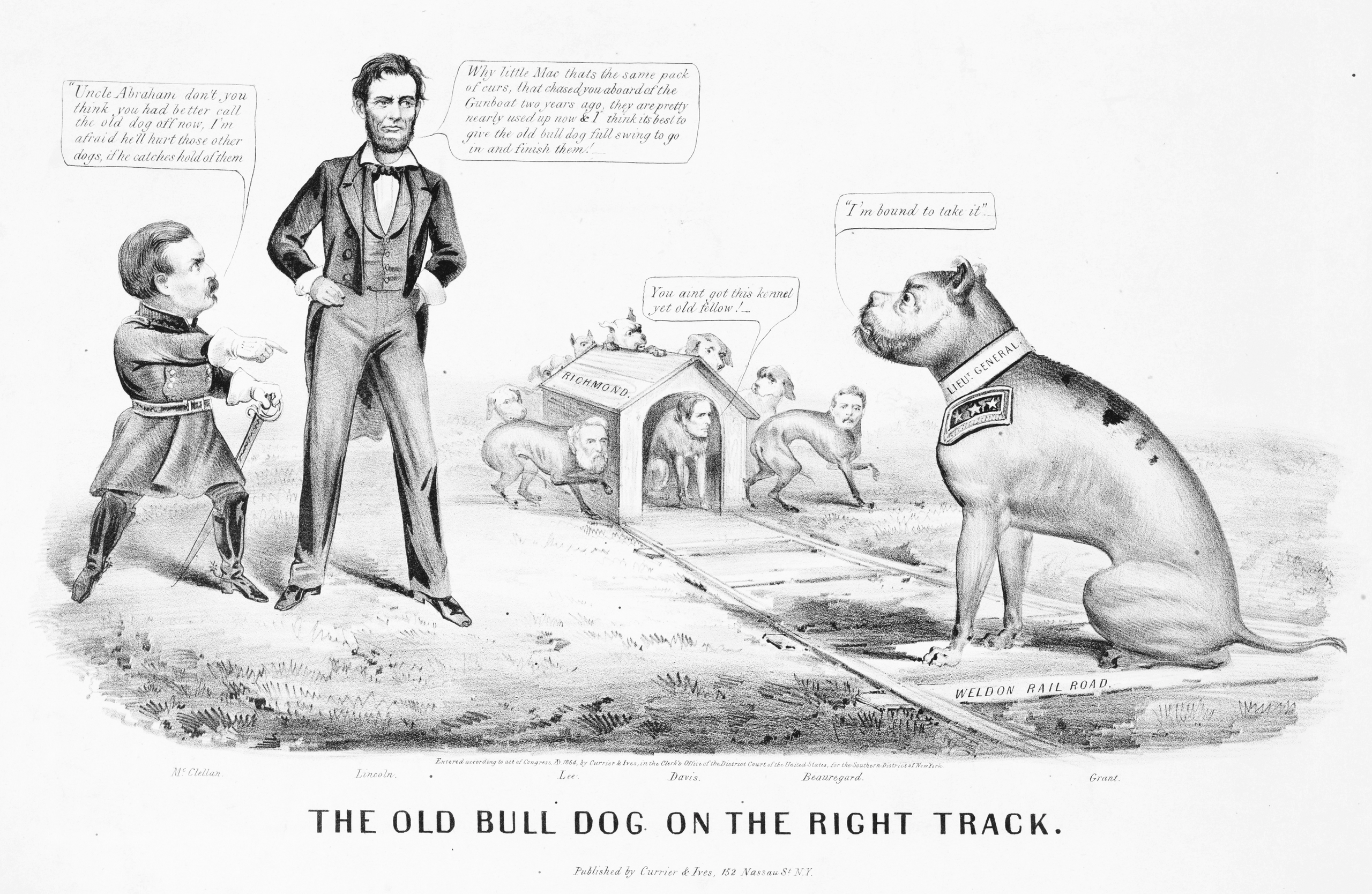
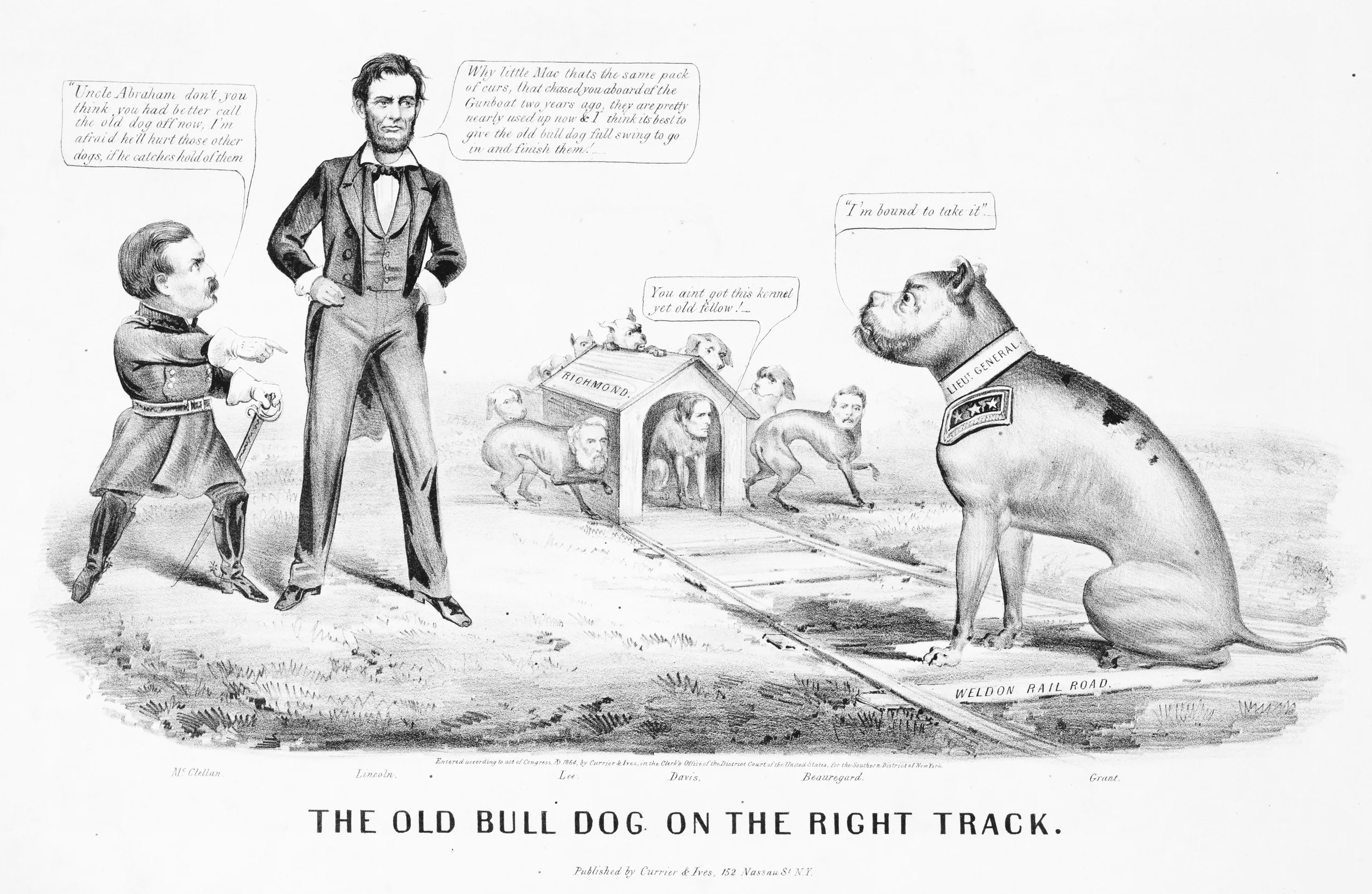
An “old bull” is a powerful and influential Member of Congress.
Old bulls are typically senior members who have worked their way into positions of …
The term “silent majority” refers to a large block of voters that feel marginalized, silenced or underserved by the political system.
It’s commonly assumed that, …
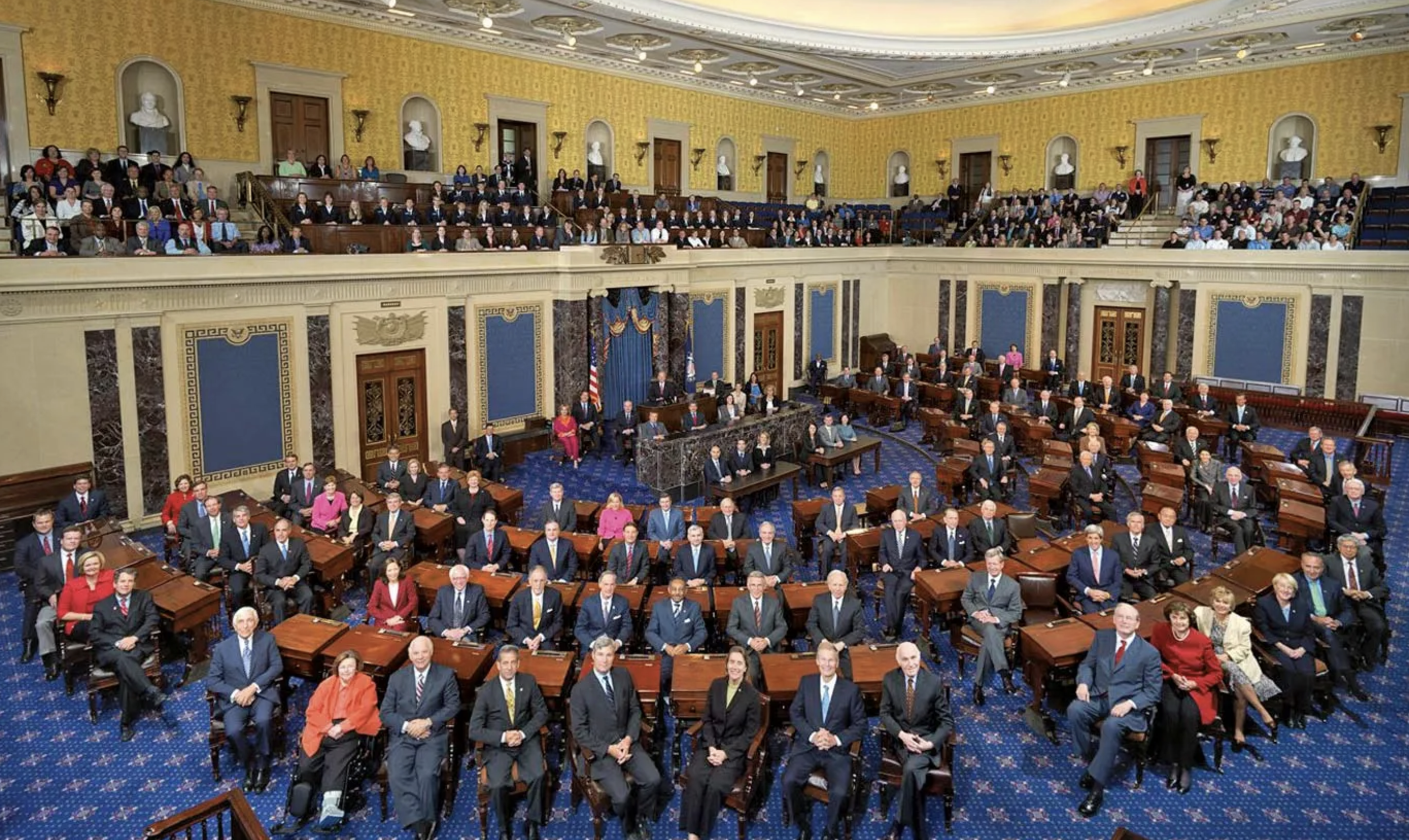
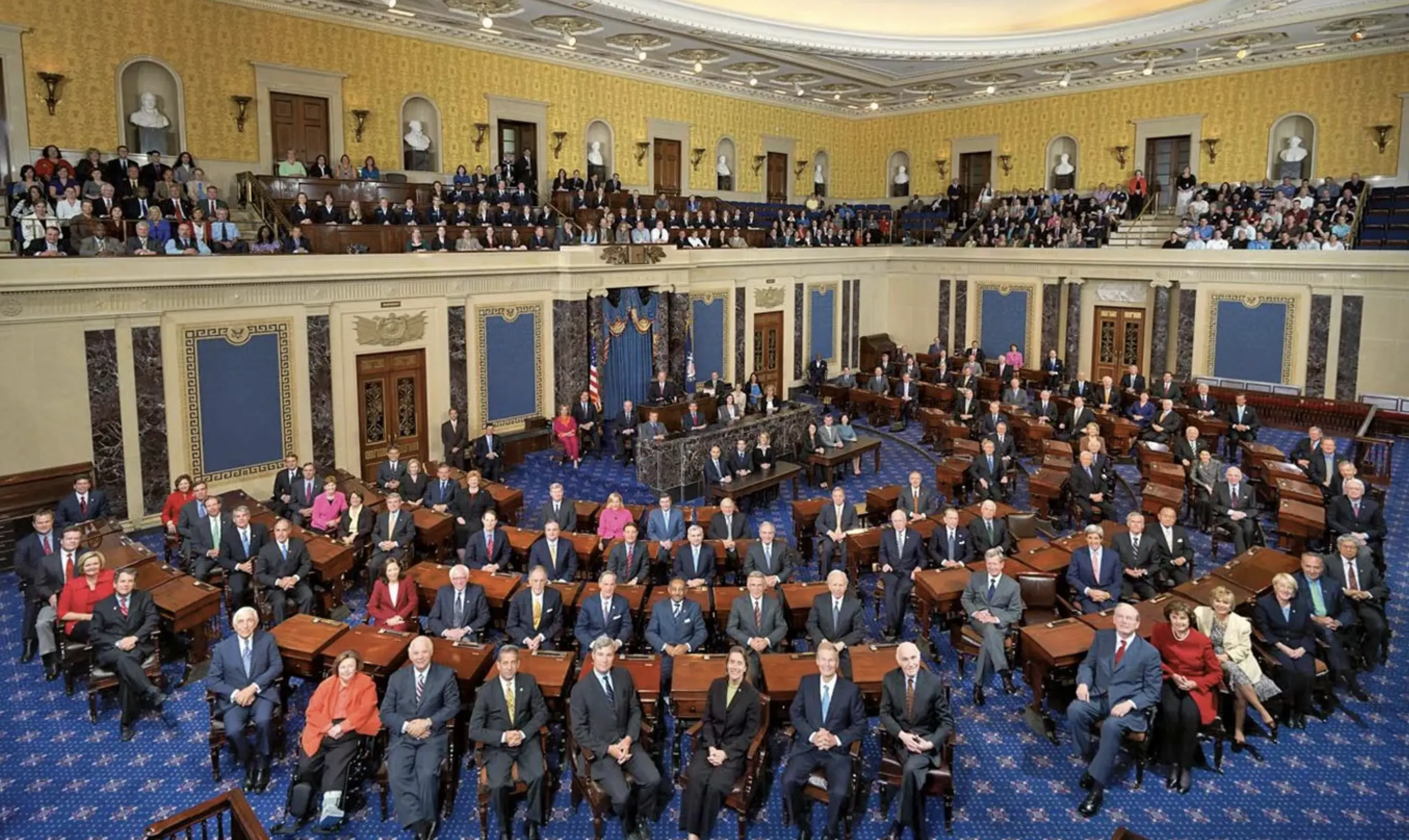
A tag-team hold is when two or more senators agree to circumvent a 2011 resolution limiting secret senate holds to two days.
One senator will …
The “deduct box” was the locked box where legendary Louisiana Gov. Huey Long kept “deducts” from state employee salaries to fund his political operation.
Estimates …
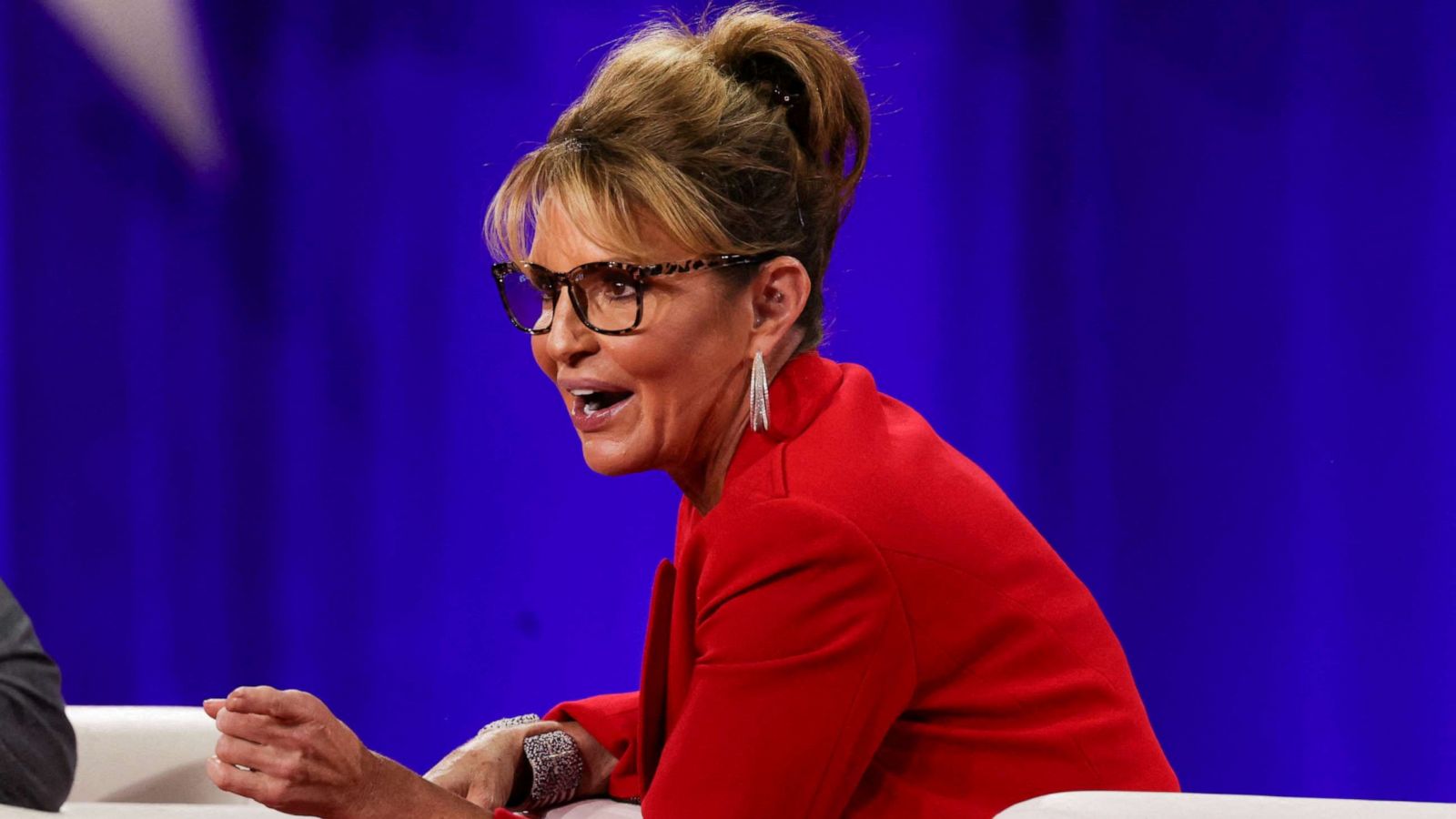
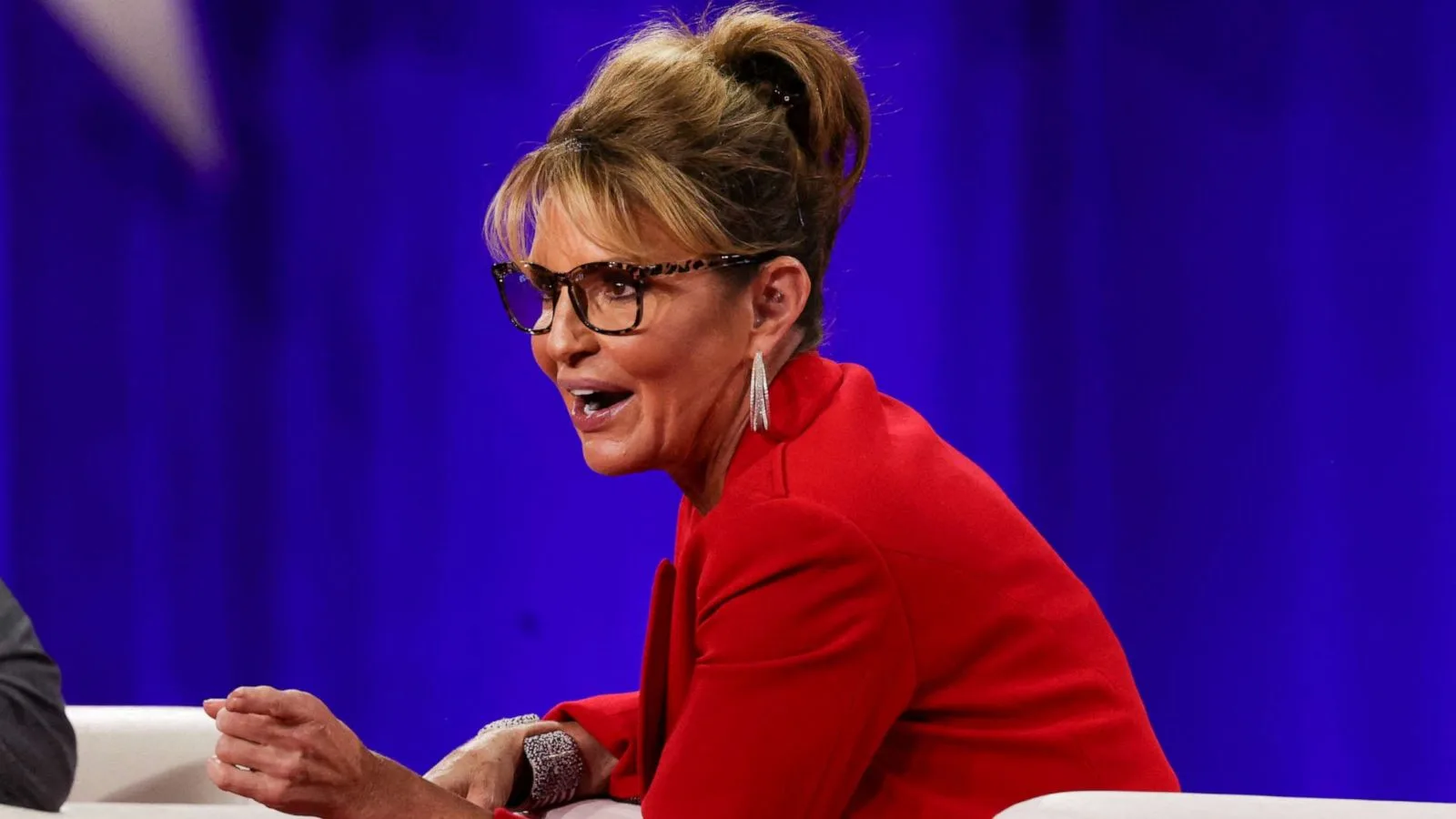
“Mama Grizzlies” is a metaphor used by 2008 Republican vice presidential nominee Sarah Palin for conservative women.
Palin used the metaphor of a mother grizzly …
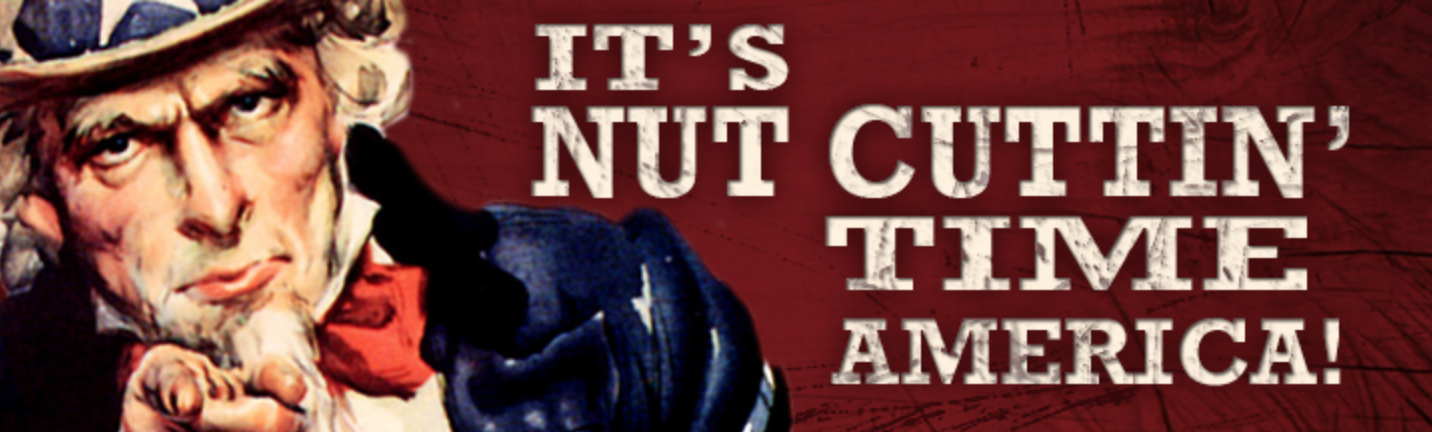
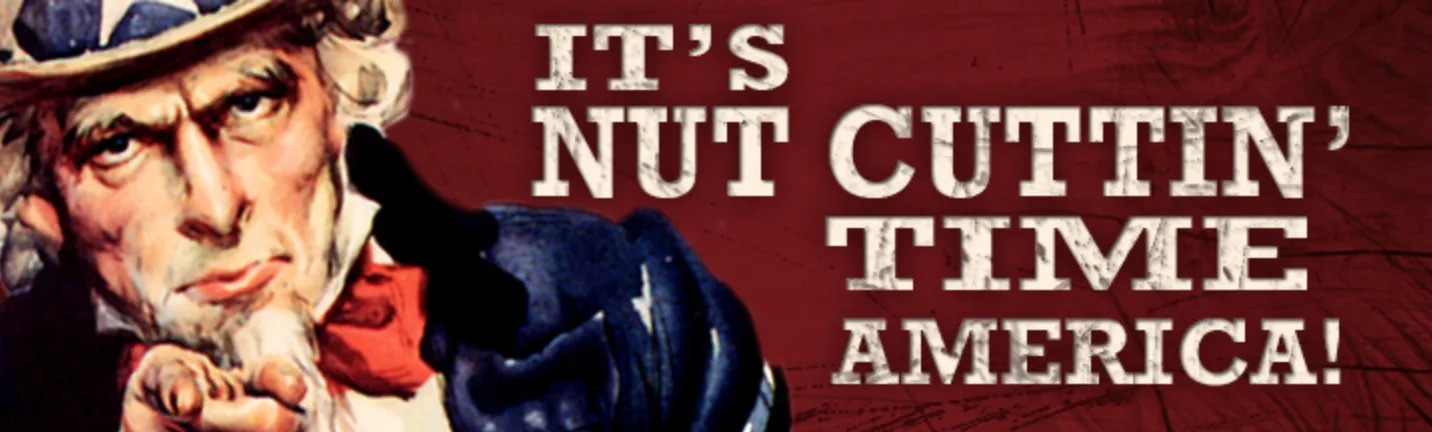
“Nut-cutting time” is when drastic actions are required, because all other methods have failed. The phrase is used in sports as well as in politics.…
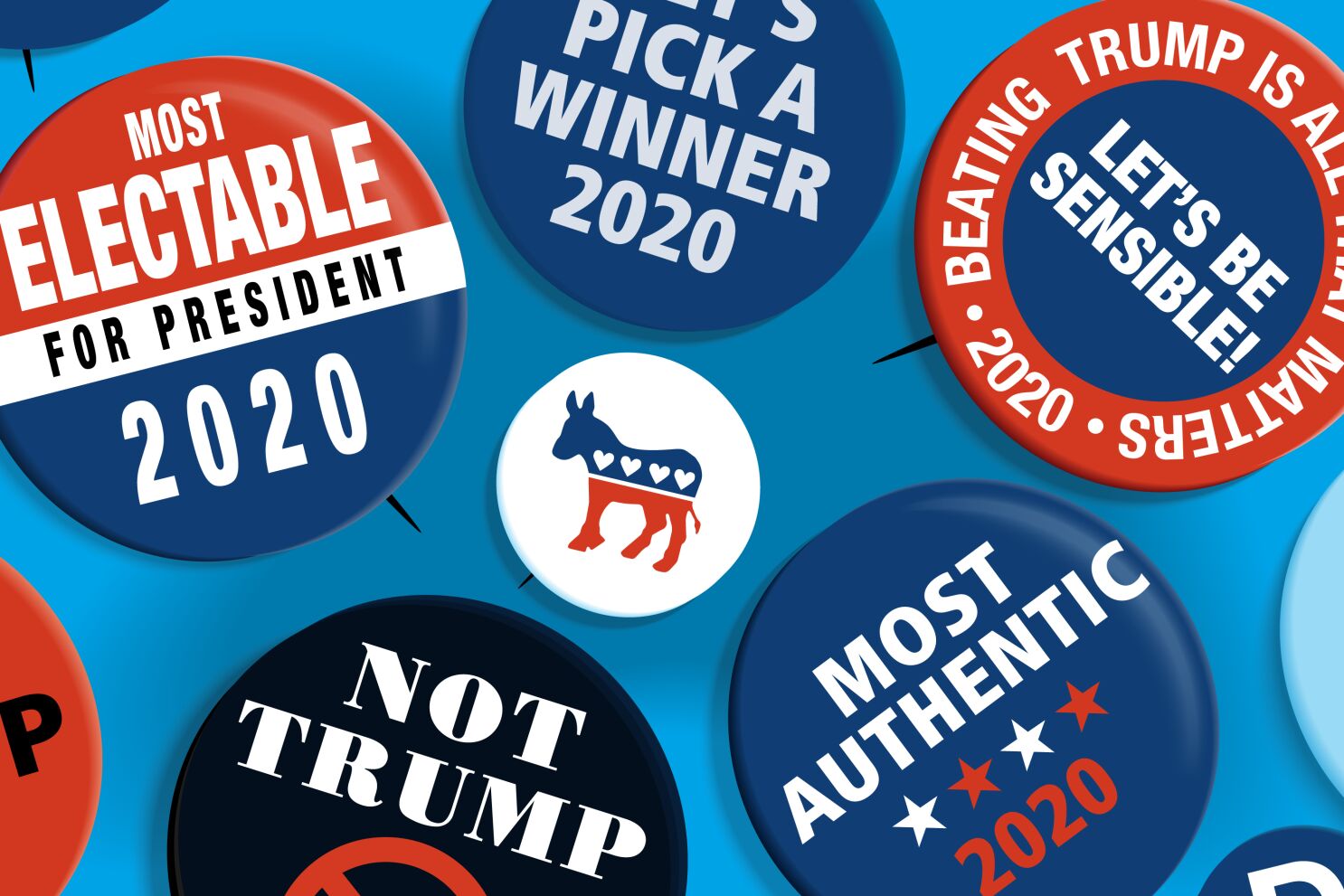
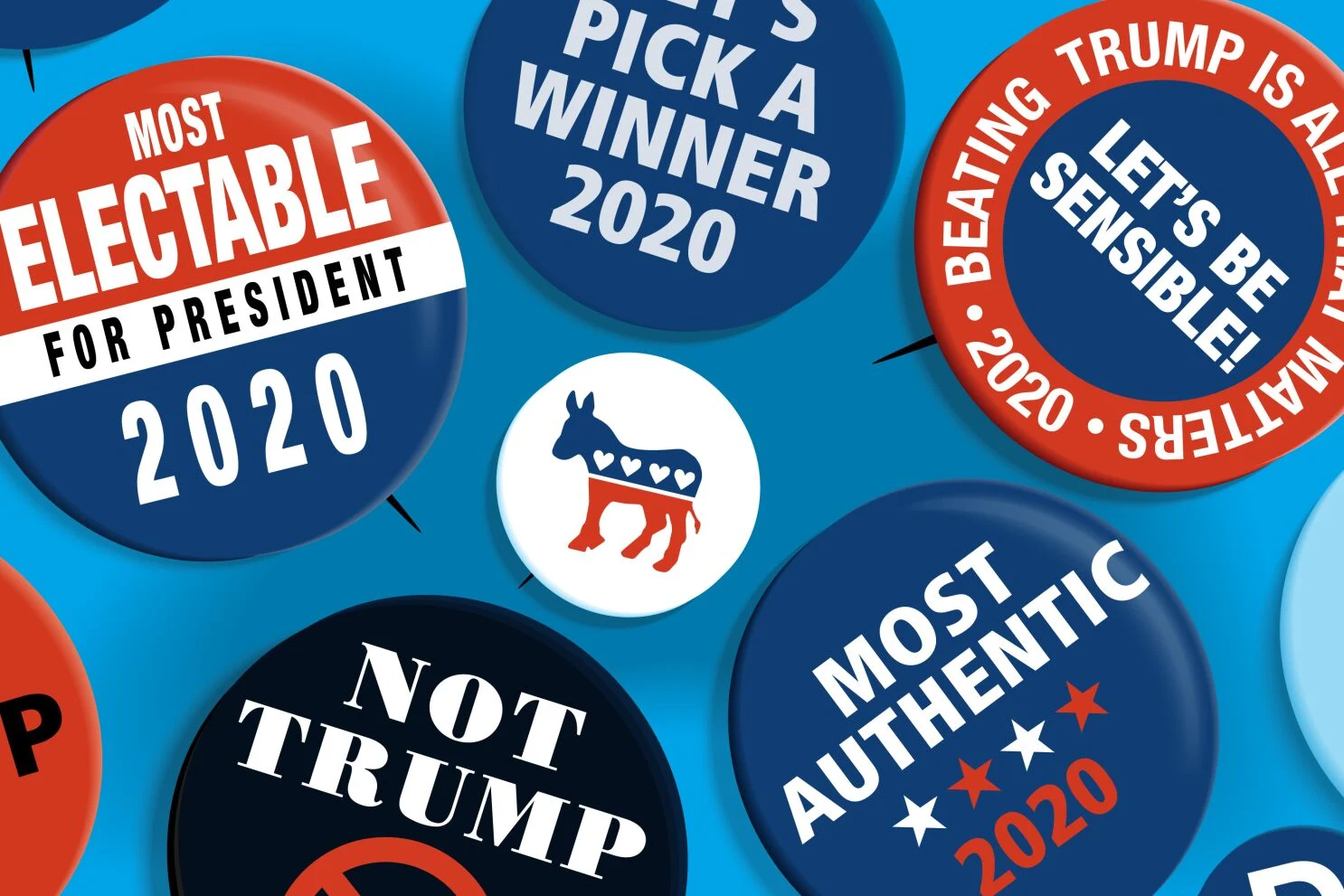
Electability refers to a political candidate’s perceived ability to win an election, as assessed by voters, party insiders, political pundits, and the media.
It encapsulates …

“Potomac fever” is the condition where a politician is gripped by a desire to stay in government, whether to make a change or for power’s …
The term “muckety muck” refers to individuals who hold significant power, influence, or high rank within politics.
It can be a somewhat dismissive or derogatory …
The term “double-max” refers to a practice in campaign finance where an individual contributes the maximum allowed amount to a candidate’s primary and general election …
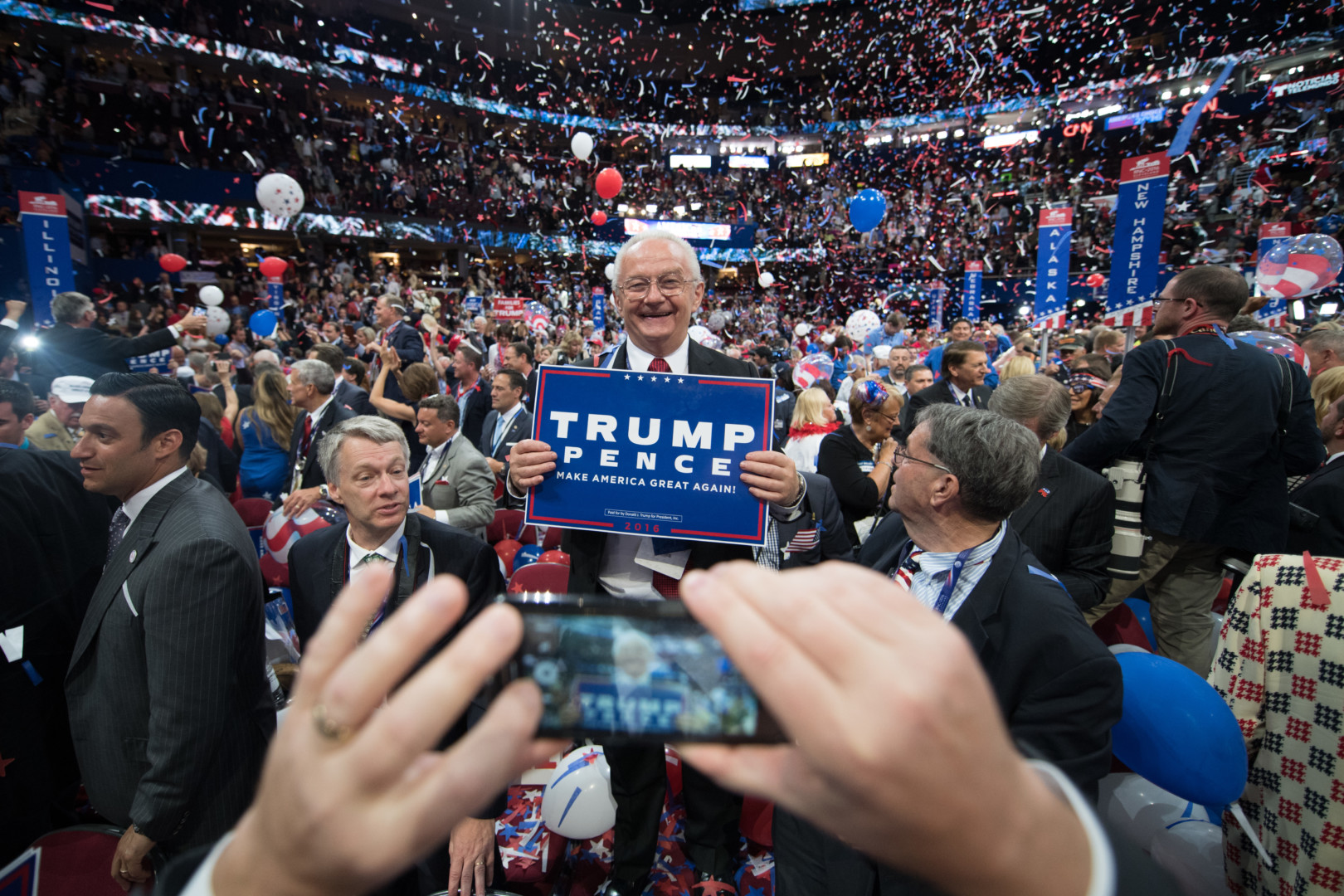
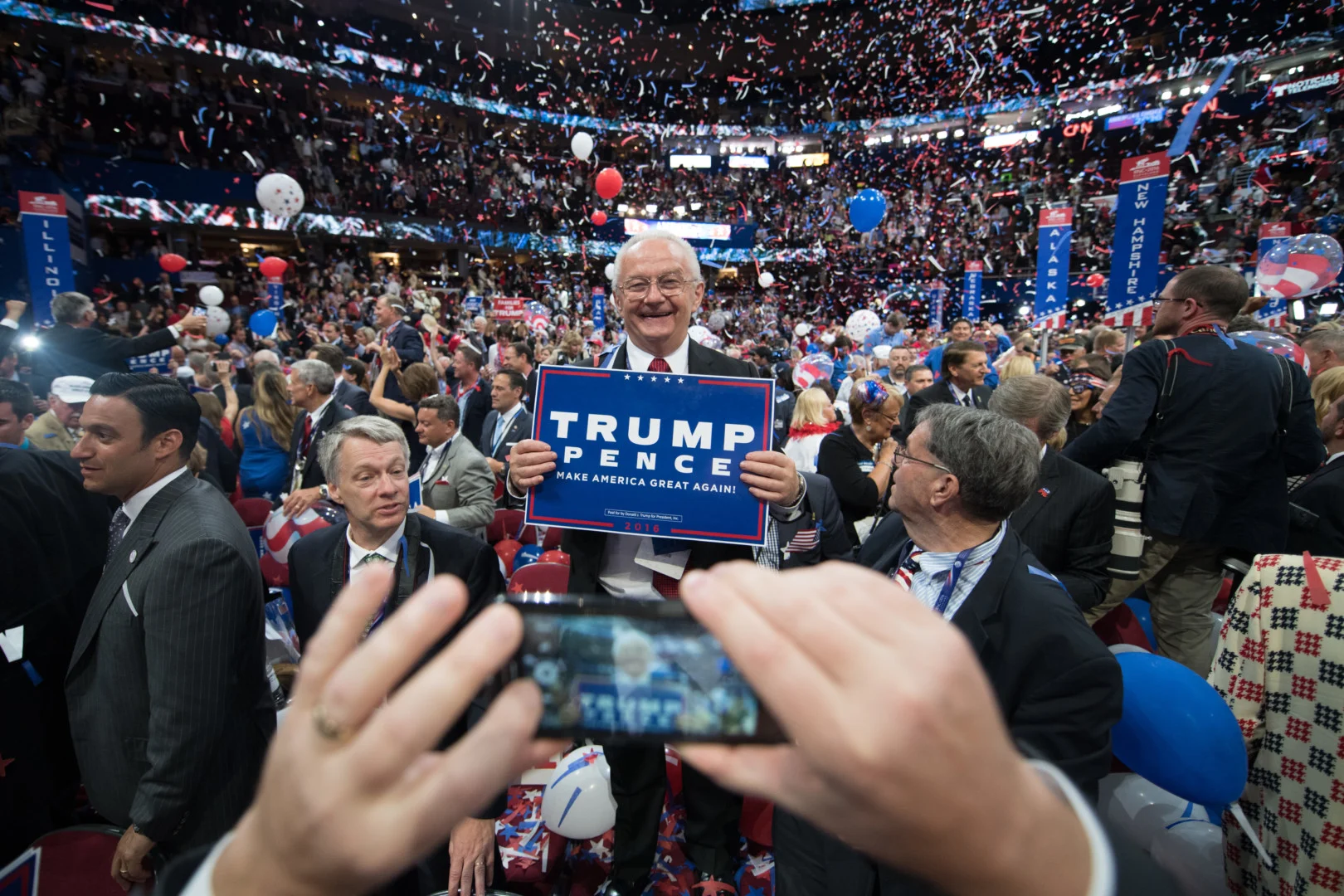
A “shy voter” is one who does not admit to supporting a certain candidate to pollsters, but still votes for that candidate in the election.…
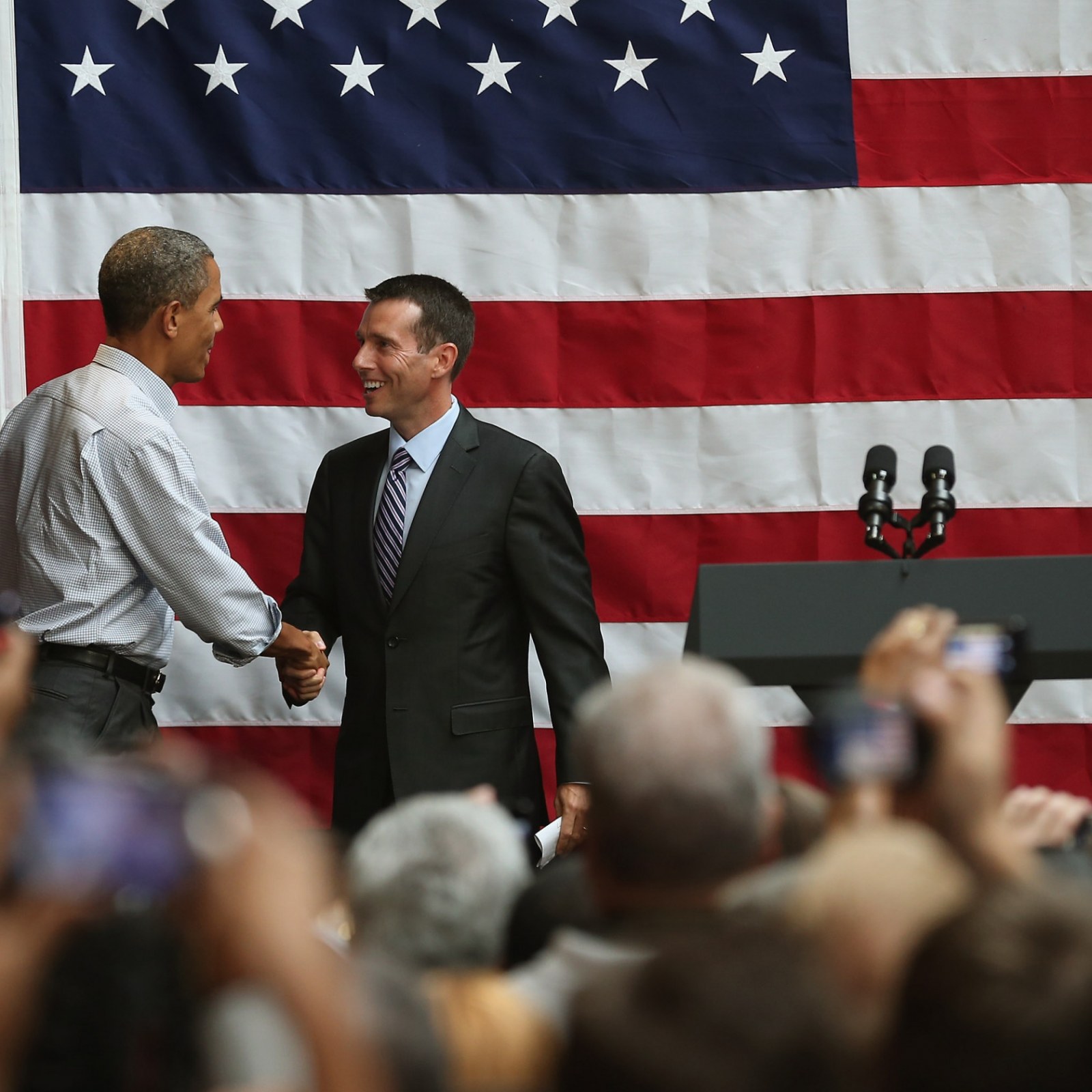
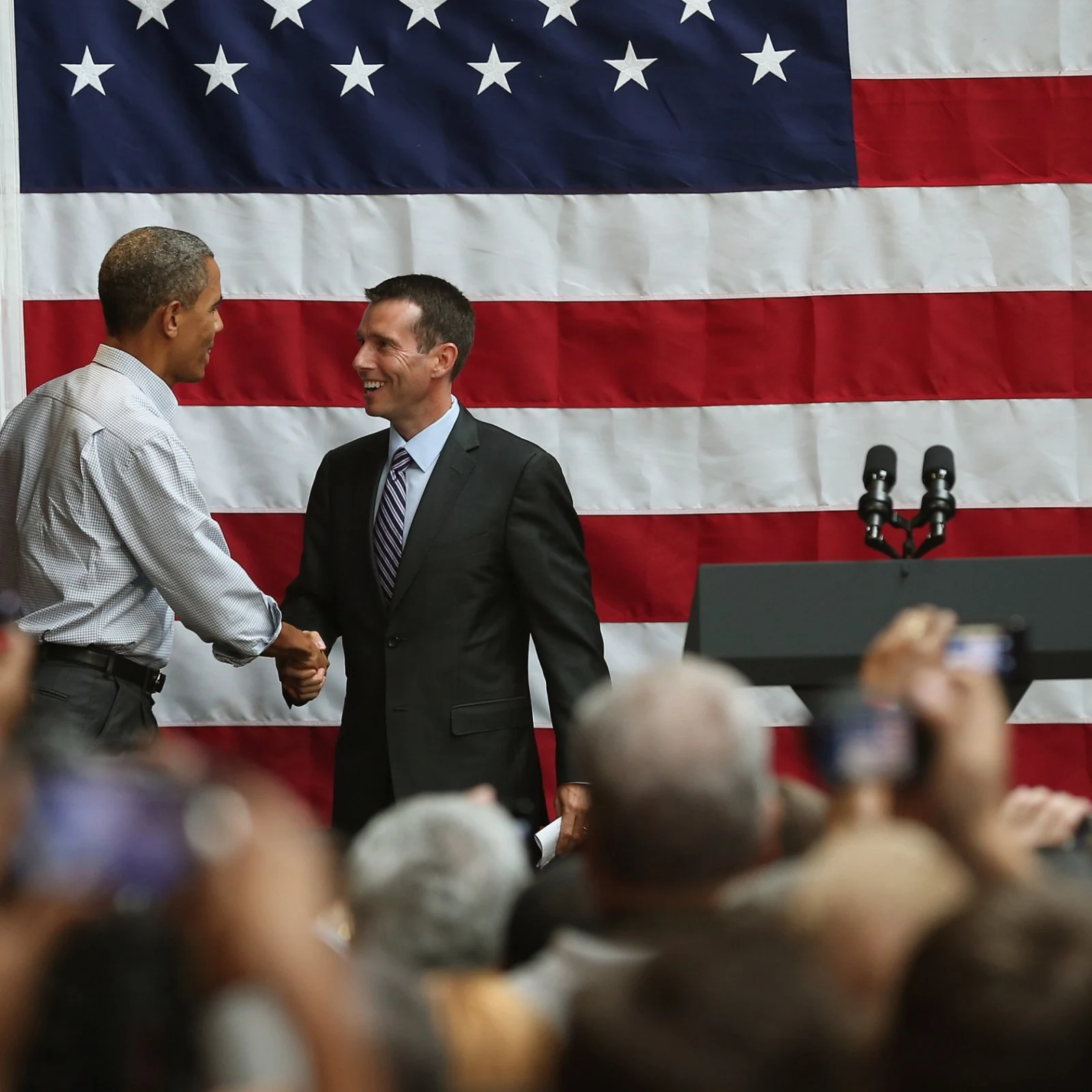
“Bed-wetting” refers to someone who expresses doubt or excessive worry about a political outcome.
The term “bed-wetting” in politics has roots in psychological analogies.
Much …
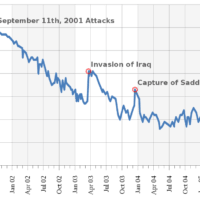
The “rally around the flag” effect is when there’s a short-term surge in voter approval as the nation unites behind its leader during a crisis …
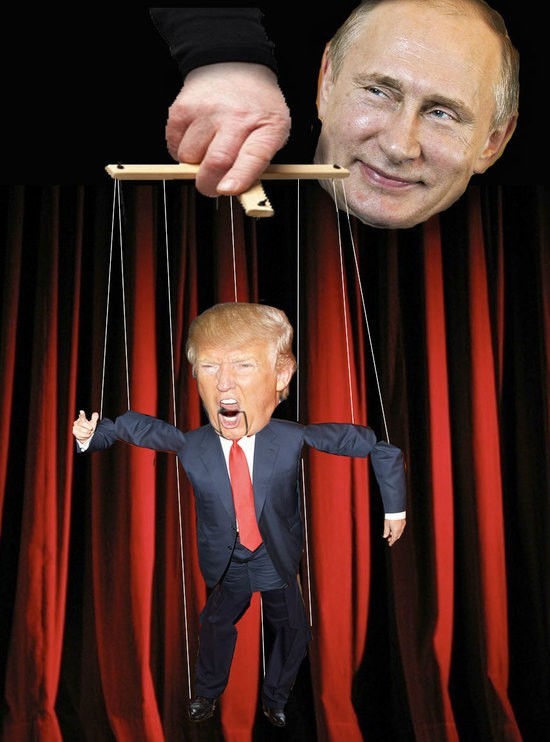
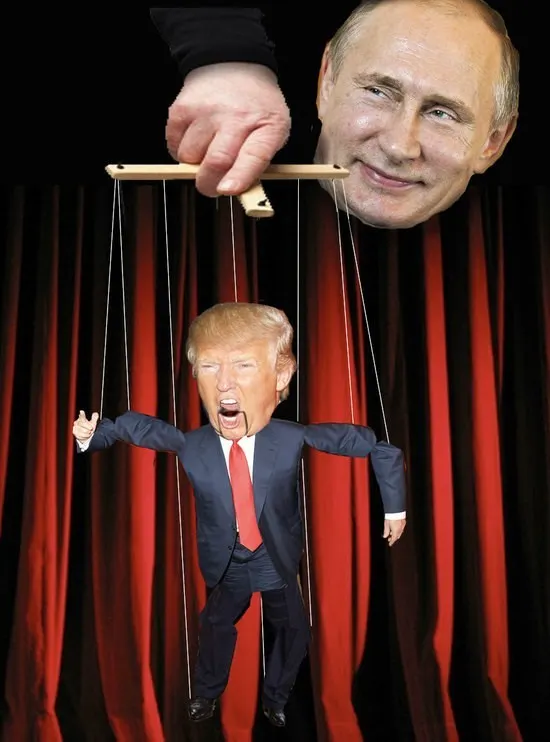
“Quockerwodger” is a rather obscure and rarely used term in modern political discourse.
It refers to politicians who are not truly representing their constituents or …
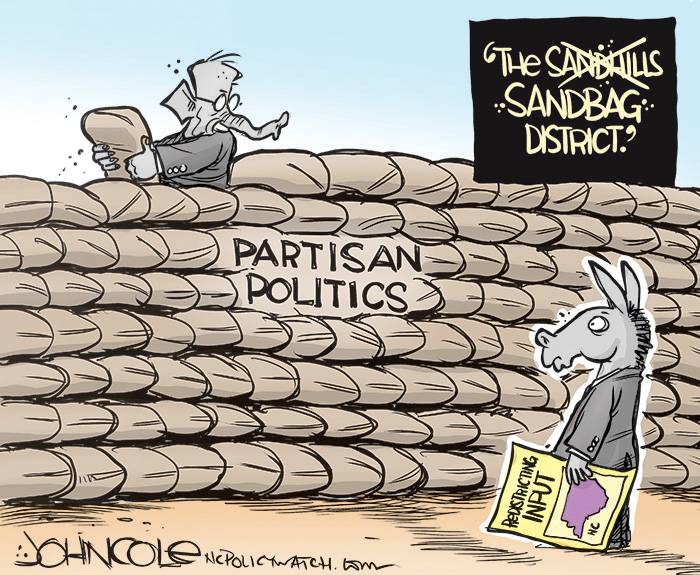
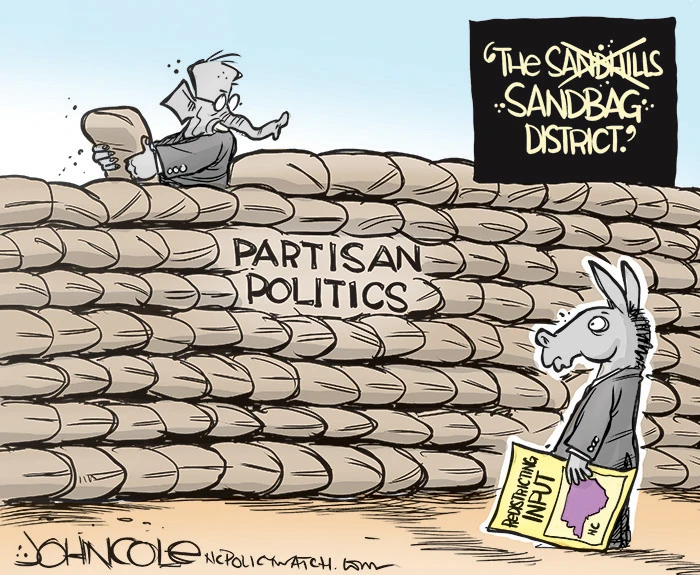
Sandbagging is deceptive behavior intended to lower someone’s expectations so that they can be taken by surprise later.
Typically, sandbagging involves lulling someone into a …
“Rumsfeld’s Rules” are a series of aphorisms, sayings, and observations about life in leadership, business, and politics by Donald Rumsfeld, who was a Congressman, …
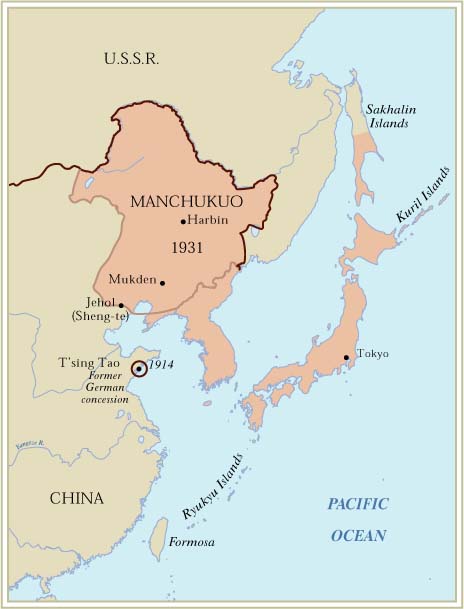
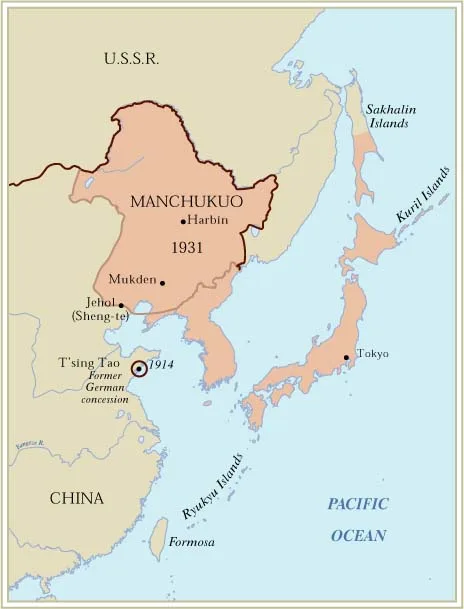
A “puppet state” is a country that claims to be independent, but is actually controlled by an outside state or other foreign power.
A “stalking horse” is a candidate put forward in an election to conceal an anonymous person’s potential candidacy.
If the idea of the campaign proves …
The term “squish” is often used as a pejorative to describe a politician, typically within the context of their own party, who is perceived as …
“Running between the raindrops” is to dodge or deflect repeated political attacks.
These politicians are seen as skillful or even lucky, as they seem to …
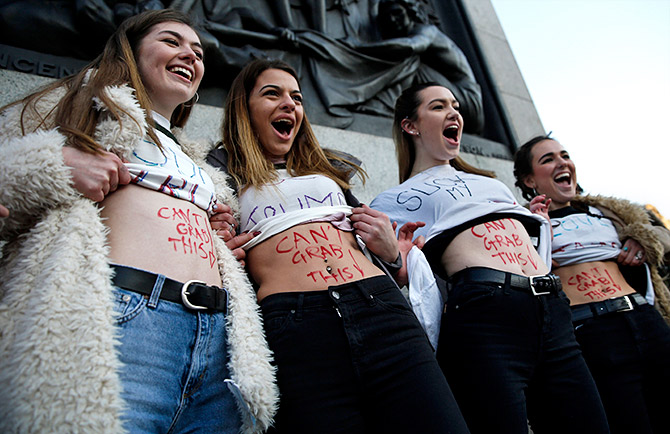
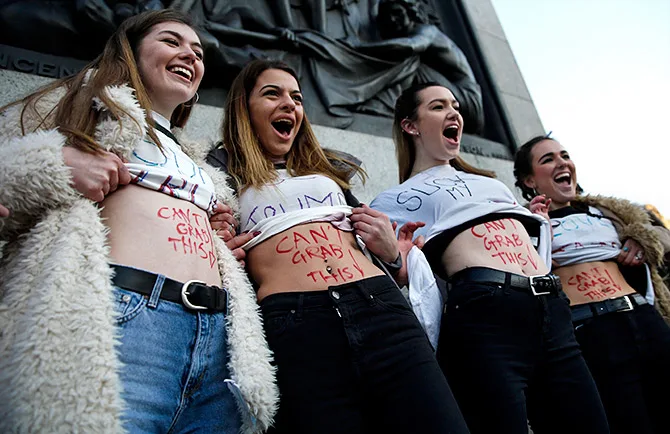
A “youthquake” is social, cultural, or political change brought about by young people.
The term encapsulates the increased political engagement, activism, and participation from the …
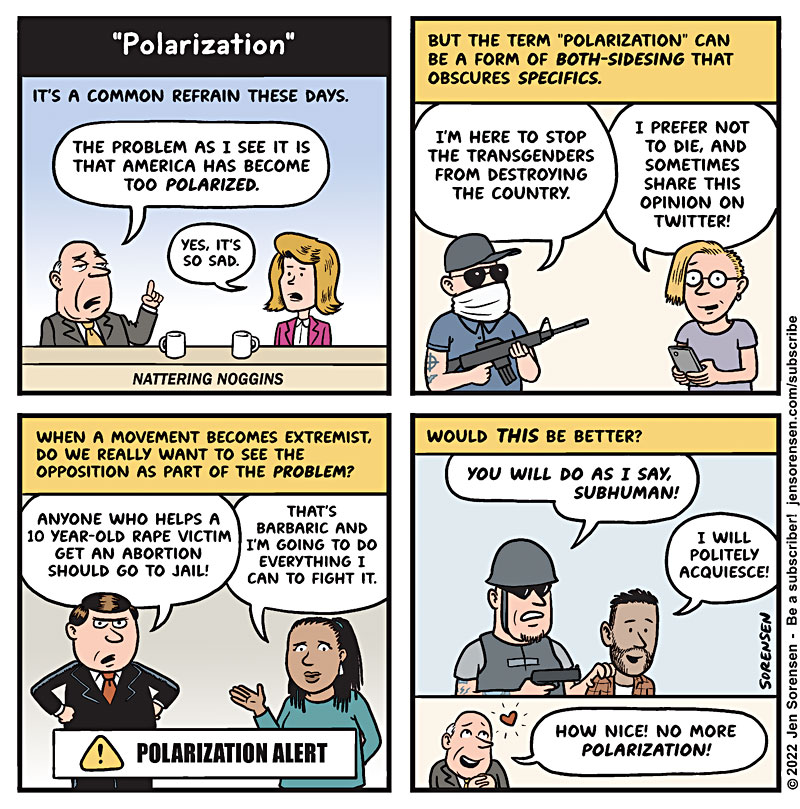
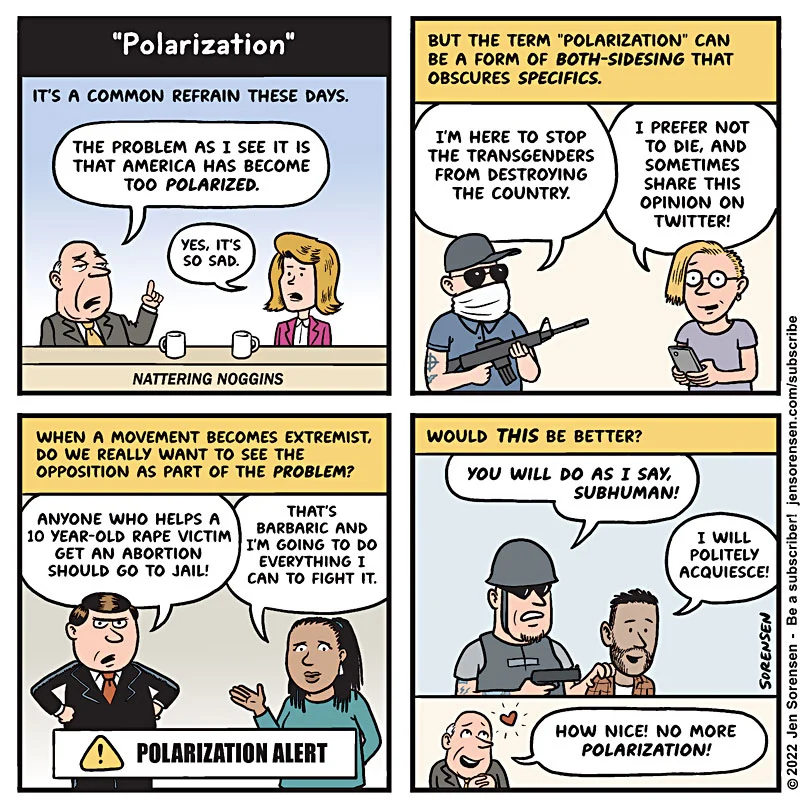
“Both-sidesing” is a term often used in political discourse to describe a tendency in media reporting where journalists, in their effort to maintain a sense …
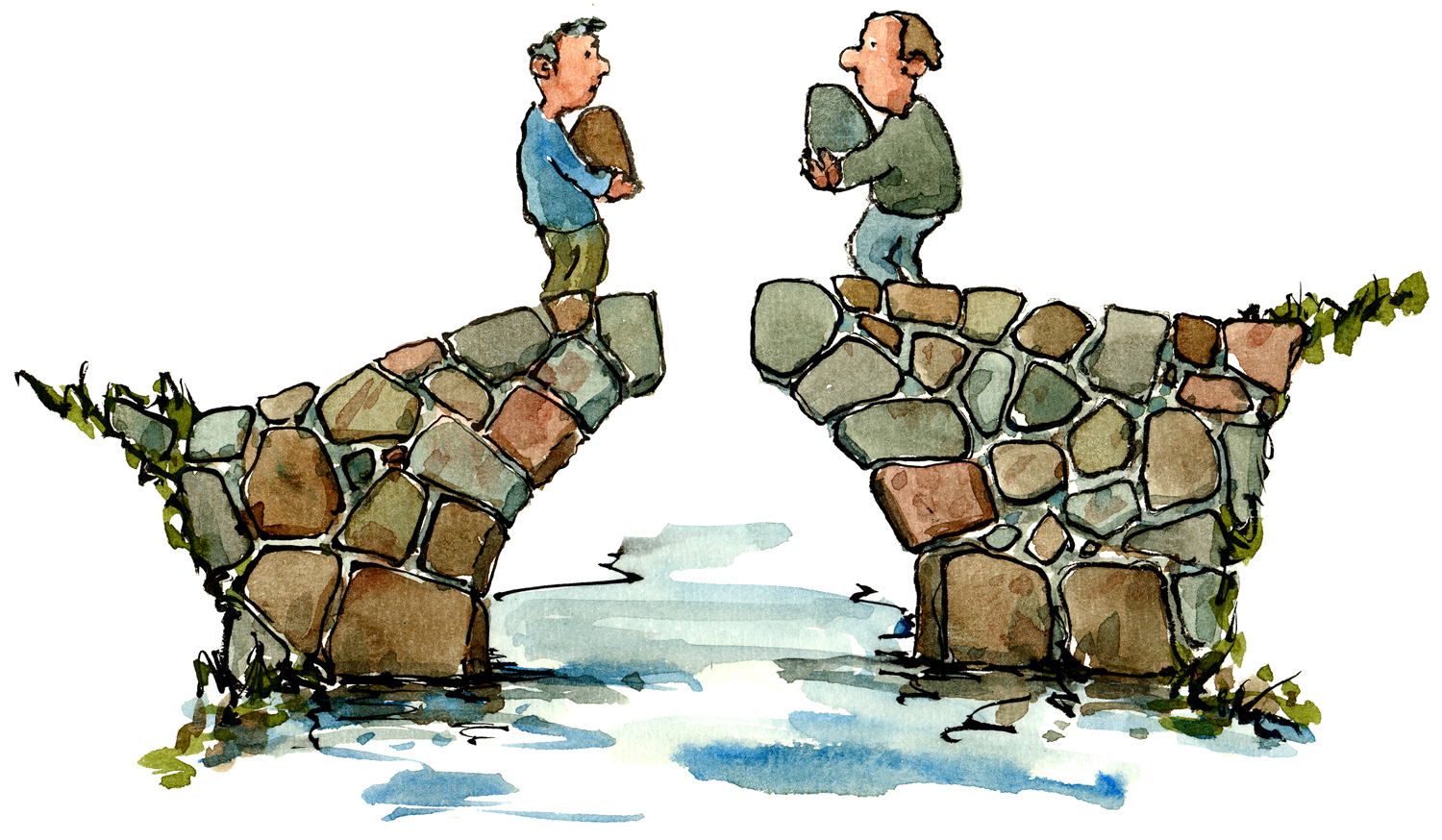
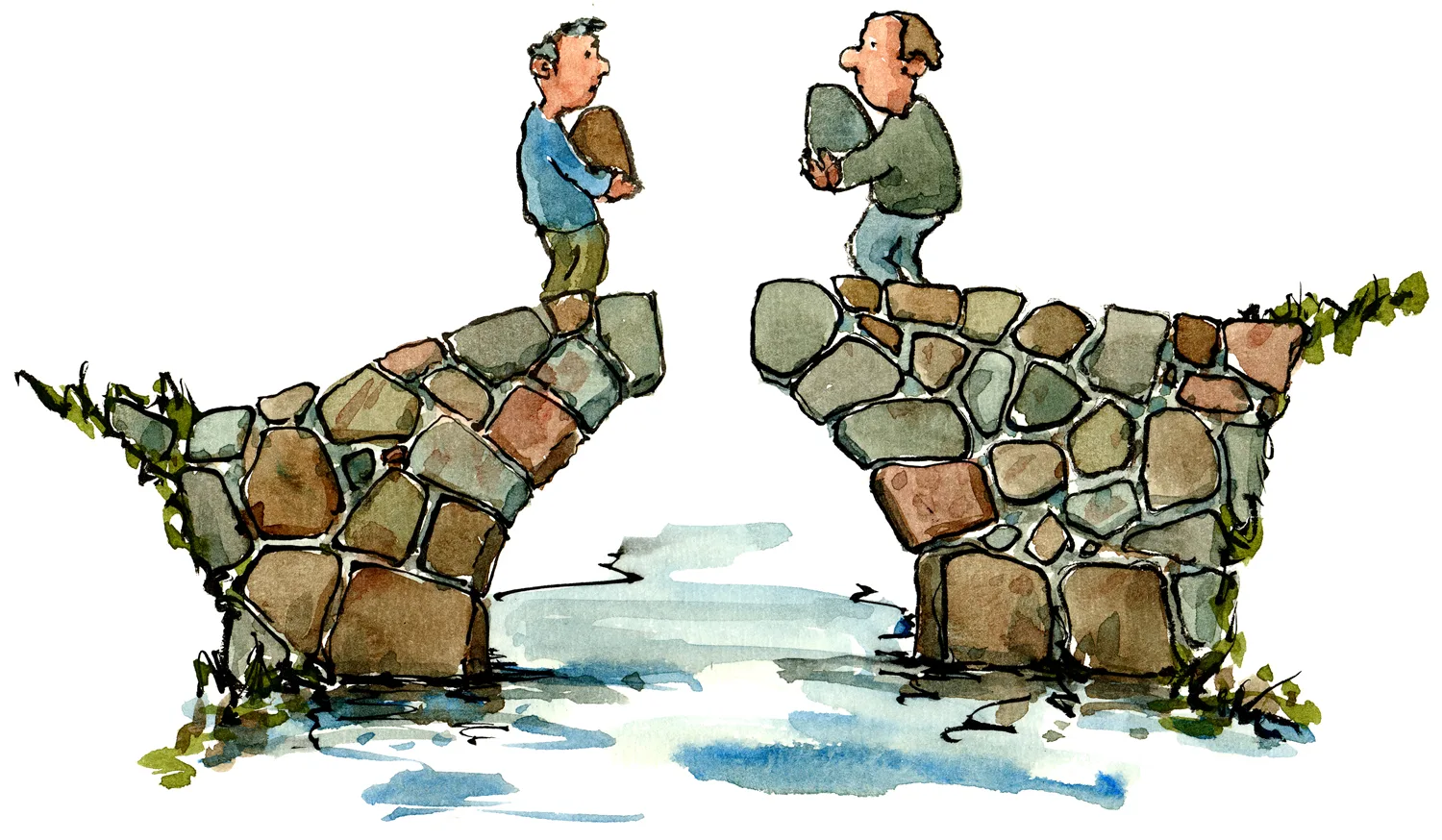
A “bridge builder” is a politician or diplomat who actively works to create or improve relationships, foster cooperation, and promote understanding among diverse groups or …
In politics, a “bargaining chip” refers to something that is used as leverage in a negotiation, an attempt to pass legislation, or an effort to …
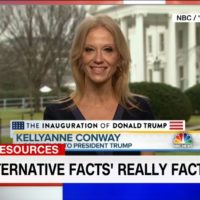
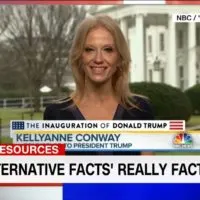
The term “alternative facts” was a phrase coined by White House adviser Kellyanne Conway to defend a false statement by press secretary Sean Spicer about …
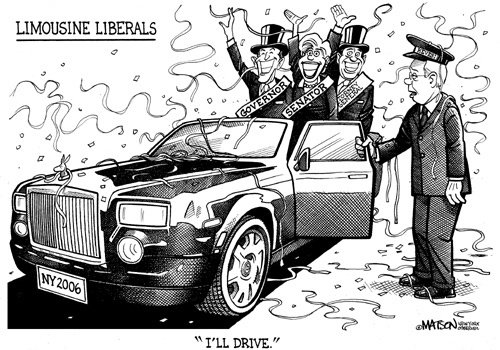
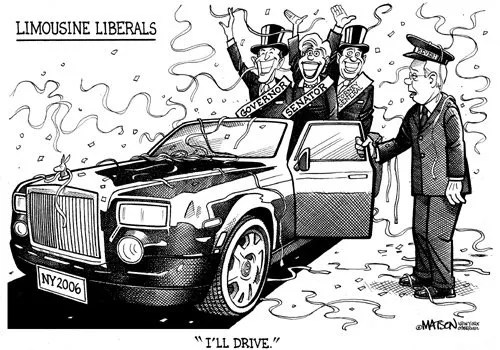
“Limousine liberal” is pejorative for wealthy liberals who do not want to bear the cost of the liberal policies they support.
It is typically used …
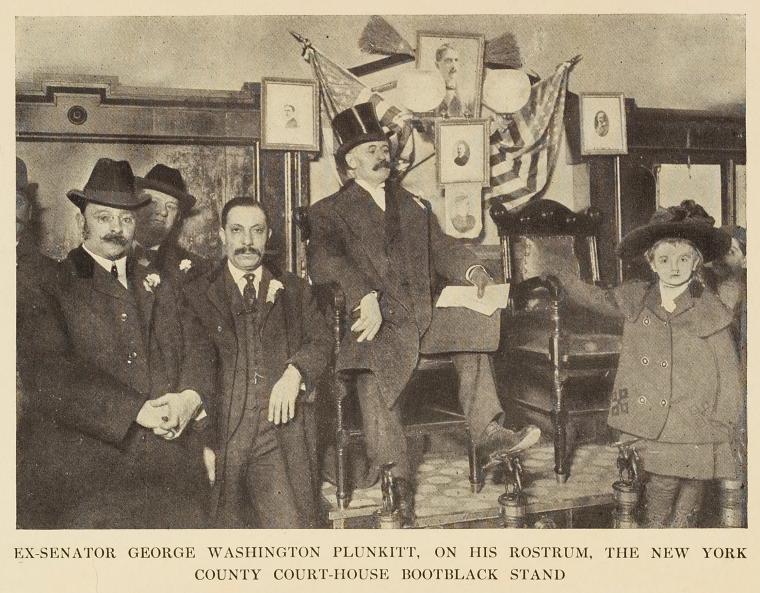
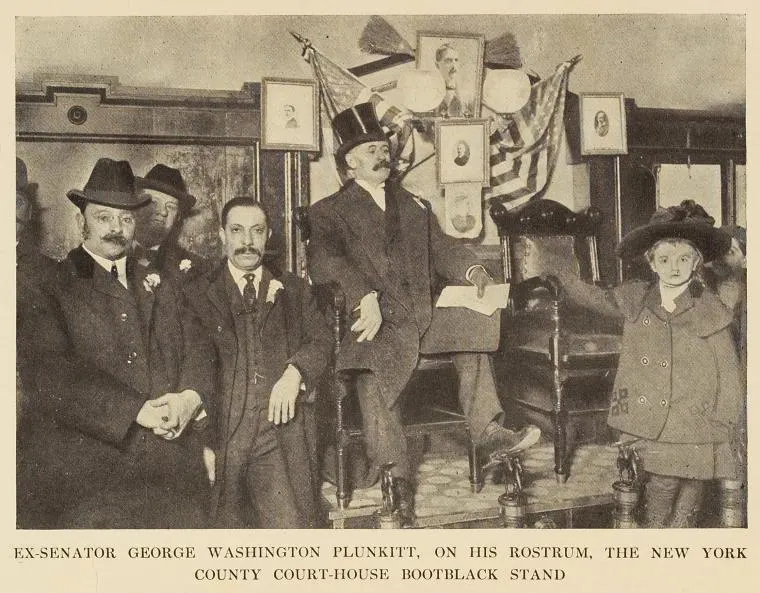
Honest graft refers to the money-making opportunities that might arise while holding public office.
The activities are, strictly speaking, legal, although they might raise eyebrows …
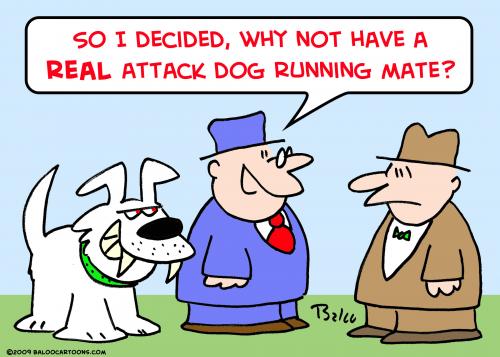
An “attack dog” in politics is a person, usually a politician or a political operative, who is designated to aggressively challenge and criticize the opposition.…
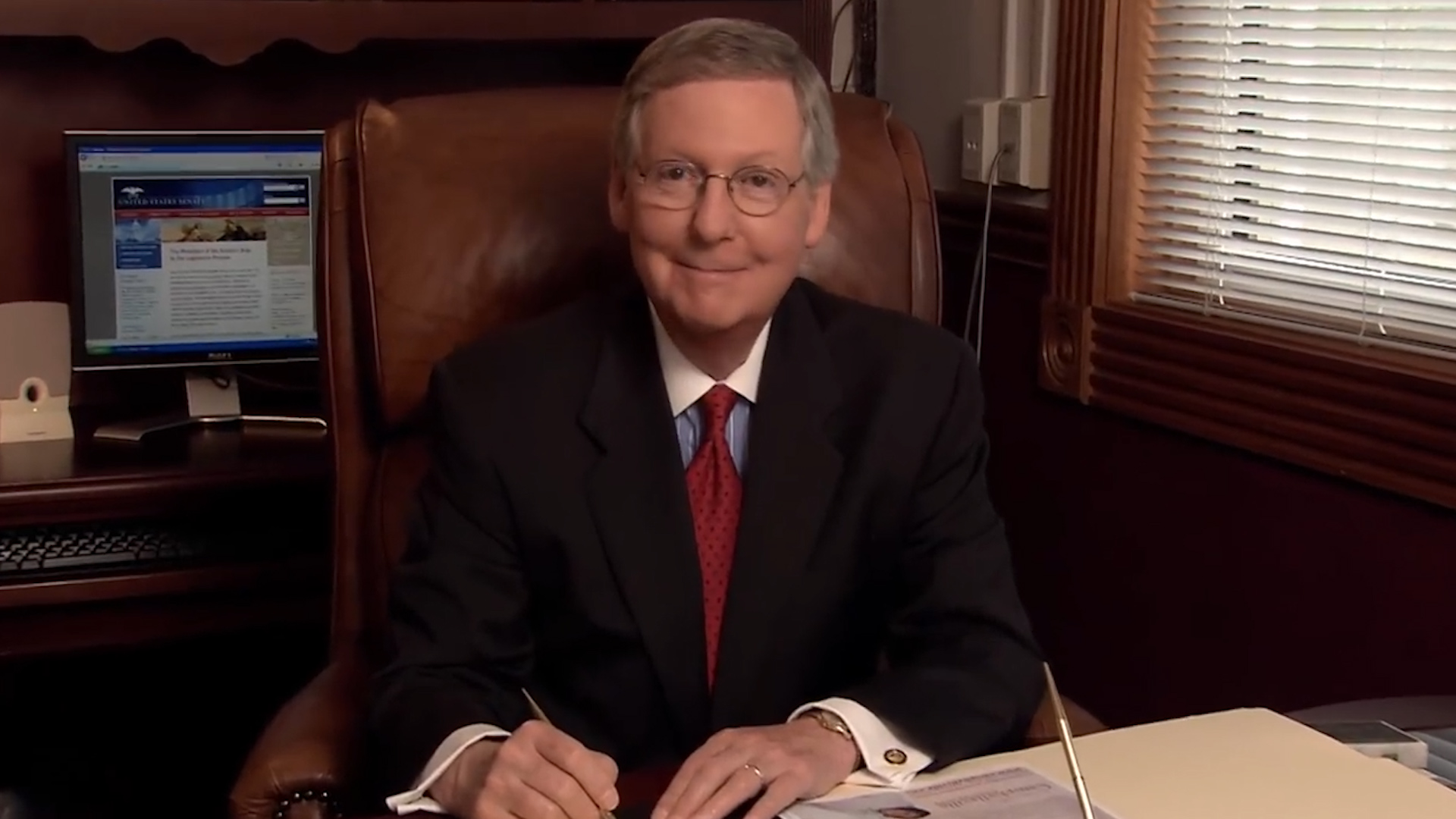
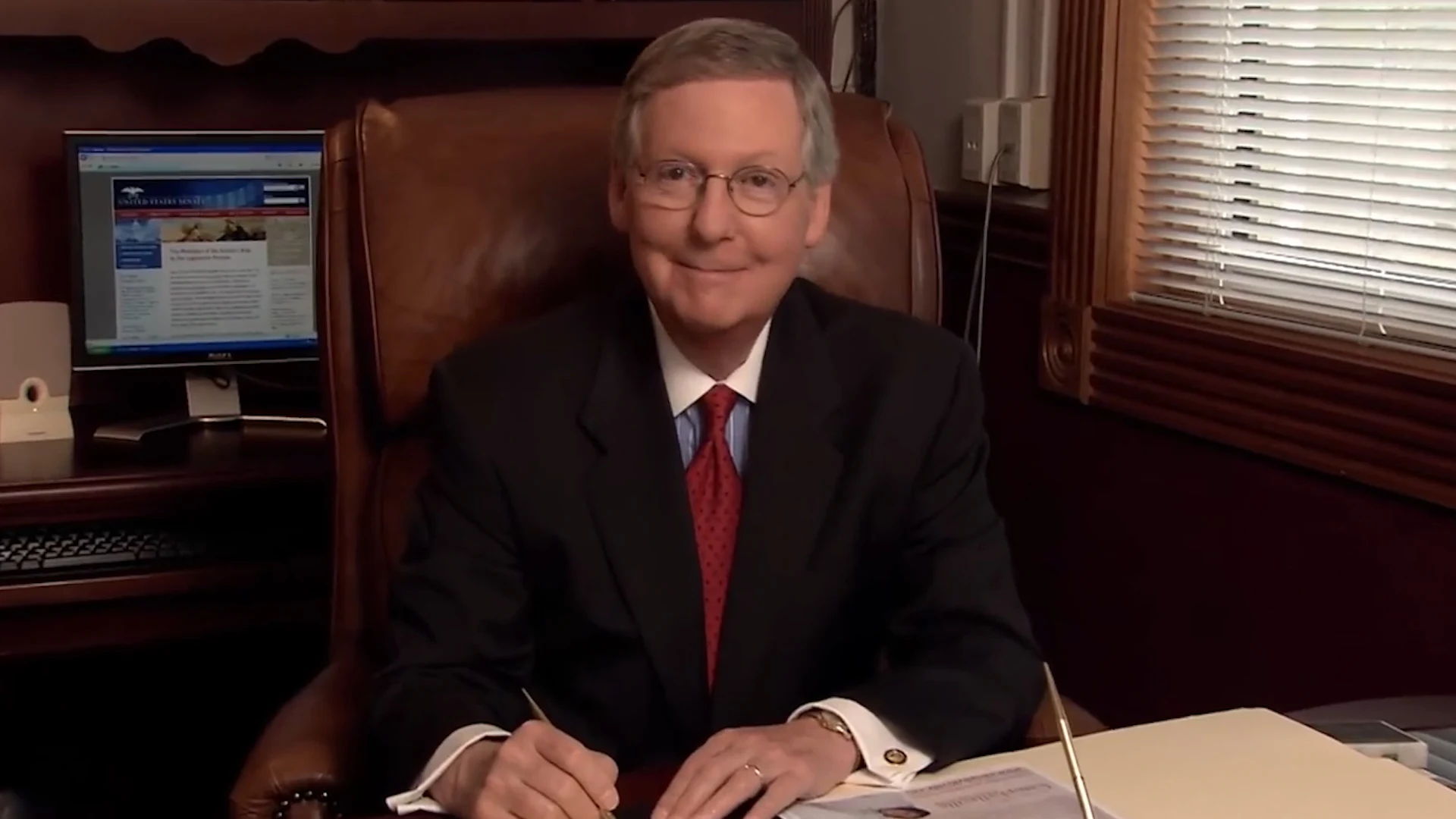
“McConnelling” is the practice of setting music to awkward, B-roll footage of a politician.
The term was coined after Sen. Mitch McConnell’s (R-KY) re-election campaign …
The term “goo goo” is short for “good government guys,” referring to people who would fight for government reform.
This was used during the 1970s …
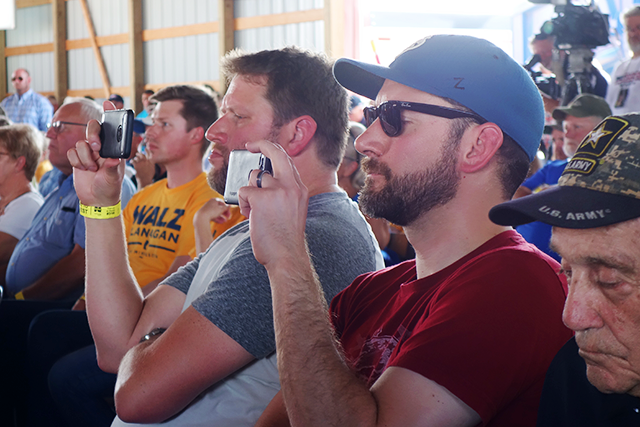
A “tracker” is an individual who is tasked with closely following and documenting the public appearances, speeches, and activities of a political candidate, particularly an …
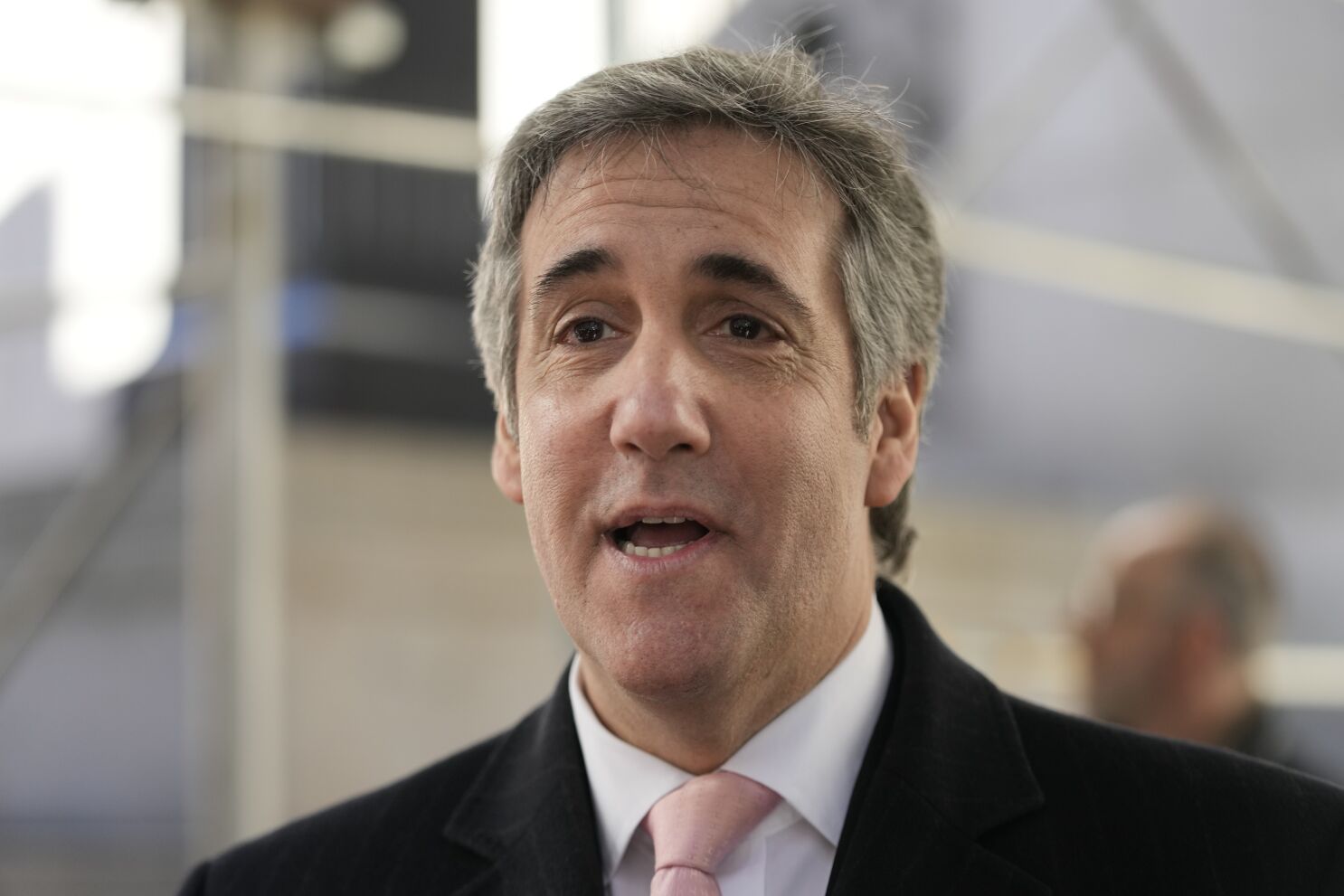
A “fixer” refers is someone who solves problems or handles difficult situations for a politician.
This person is typically well-connected, highly resourceful, and possesses a …
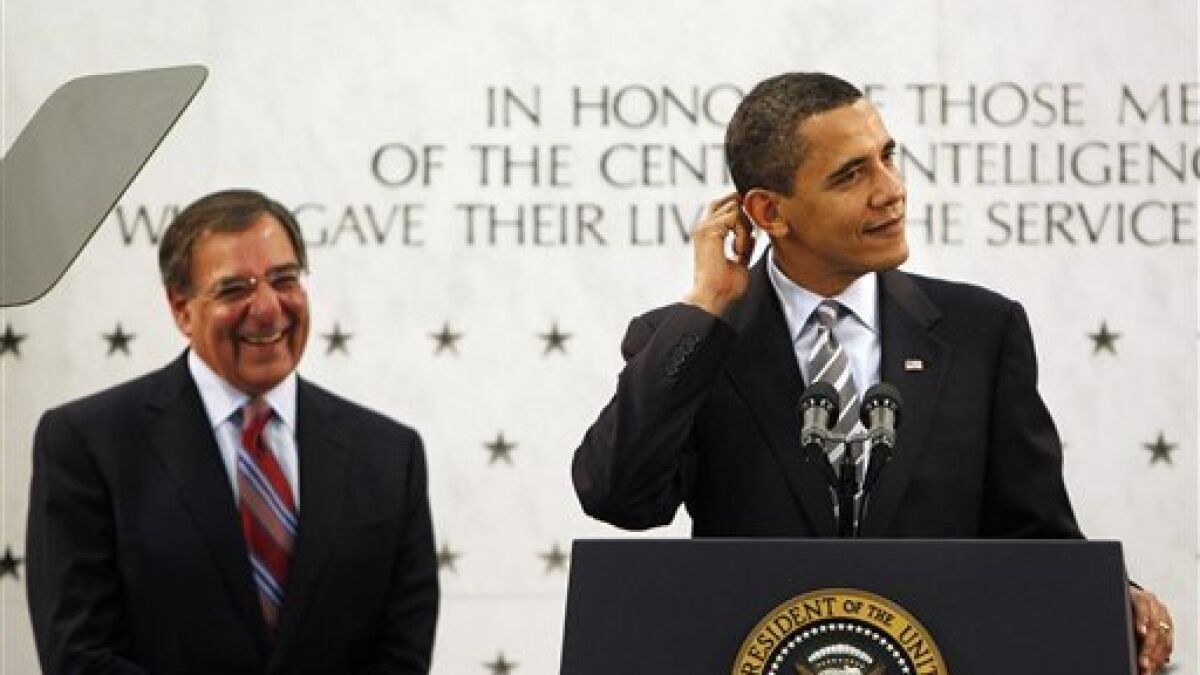
“Amen corner” is a term used in politics to refer to a group of people or legislators who always support or agree with a particular …
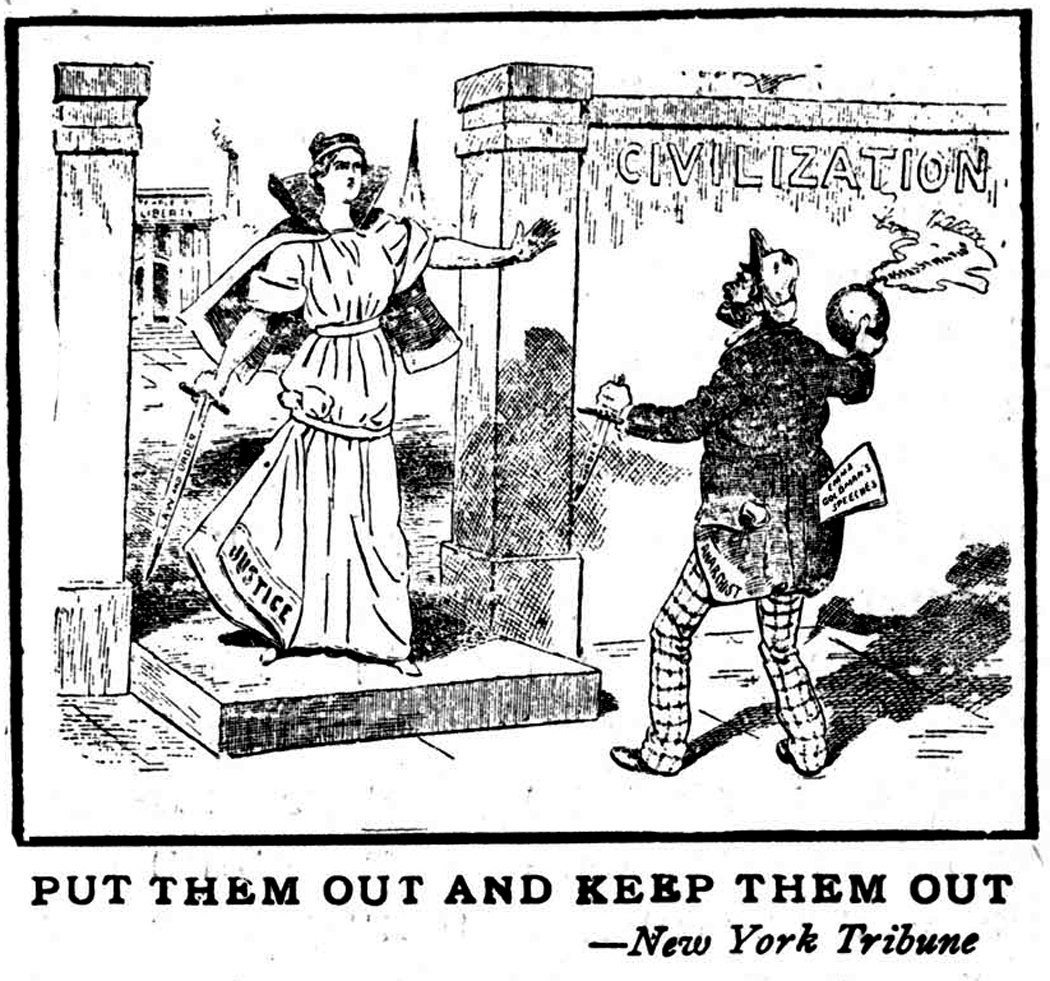
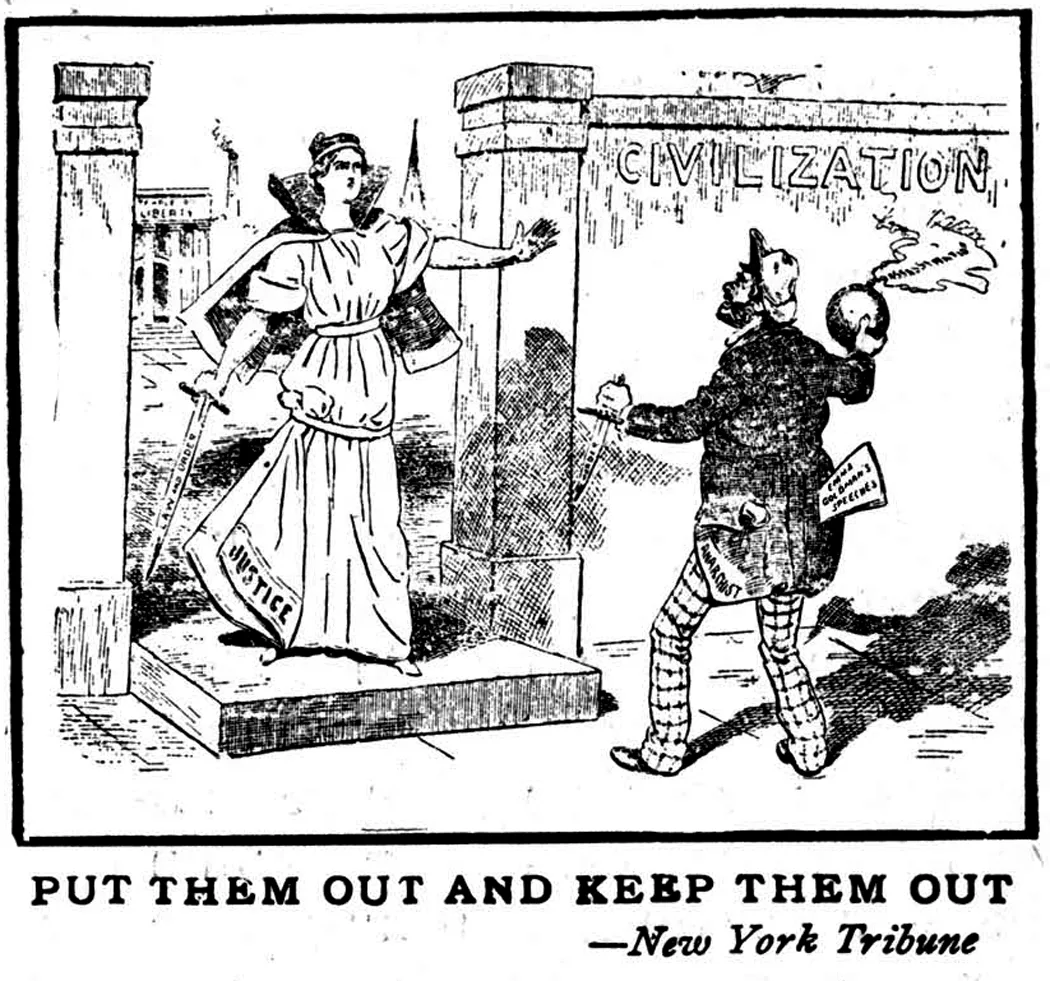
A “bomb thrower” is used metaphorically to describe a person — often a politician or political operative — who uses provocative, inflammatory, or extreme rhetoric …
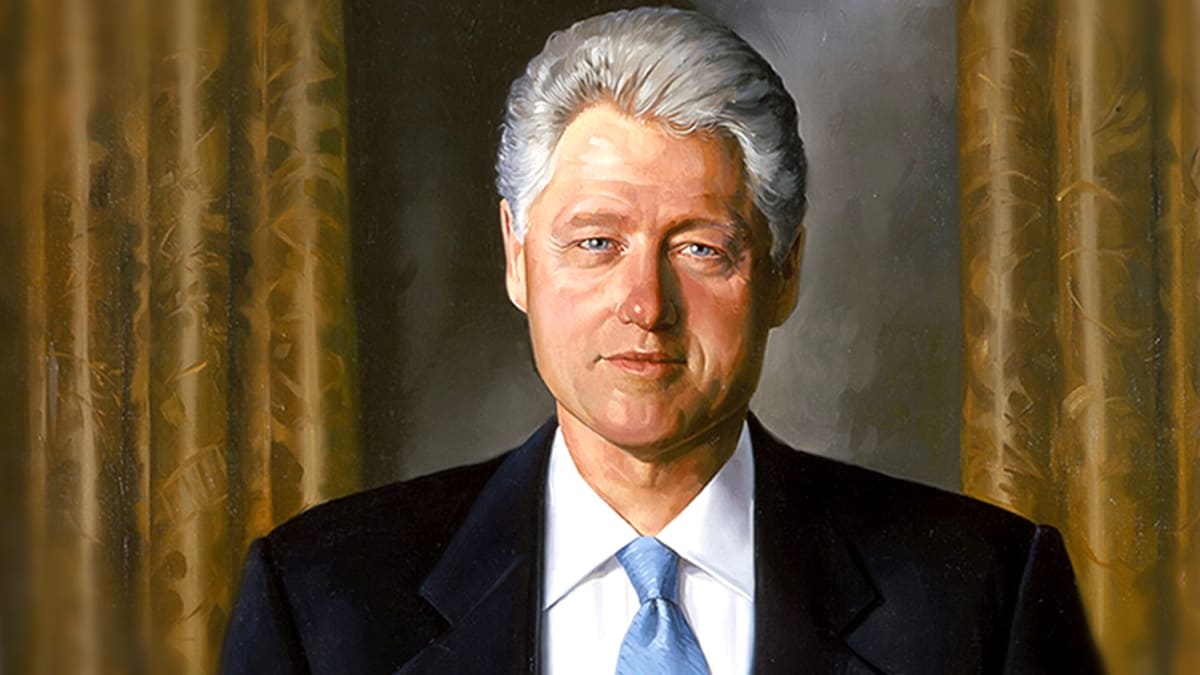
“All things to all men” is a phrase applied to politicians who seem to be making contradictory promises and statements so that they can appeal …
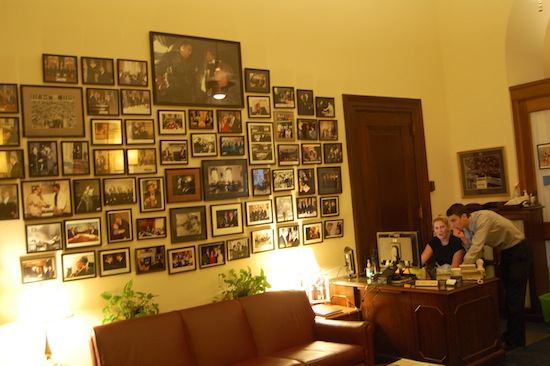
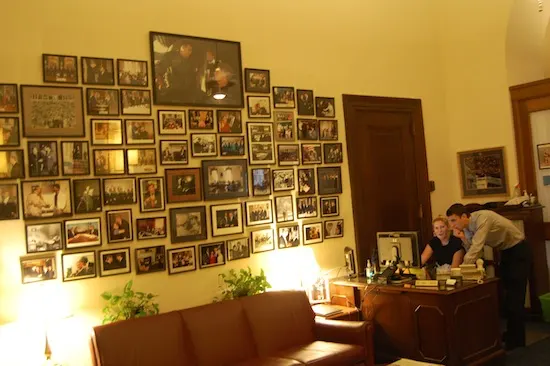
An “ego wall” is where people flaunt their political connections by displaying photos of themselves with more famous people.
As Mike Nichols observed:
…“The ego
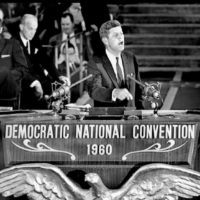
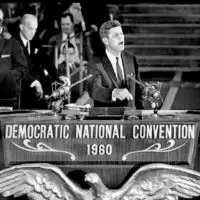
The New Frontier was the slogan which President John F. Kennedy used when setting out his vision of America’s future.
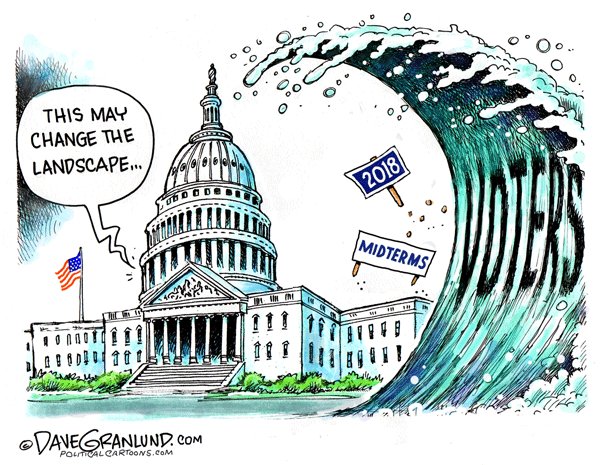
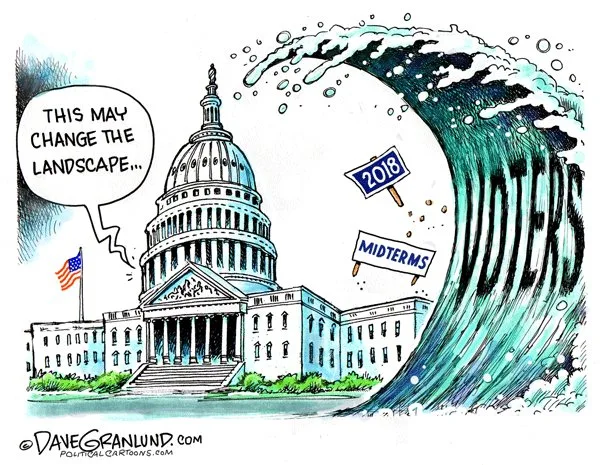
A “wave election” is a term used to describe a significant electoral shift in which one political party makes substantial gains in seats …
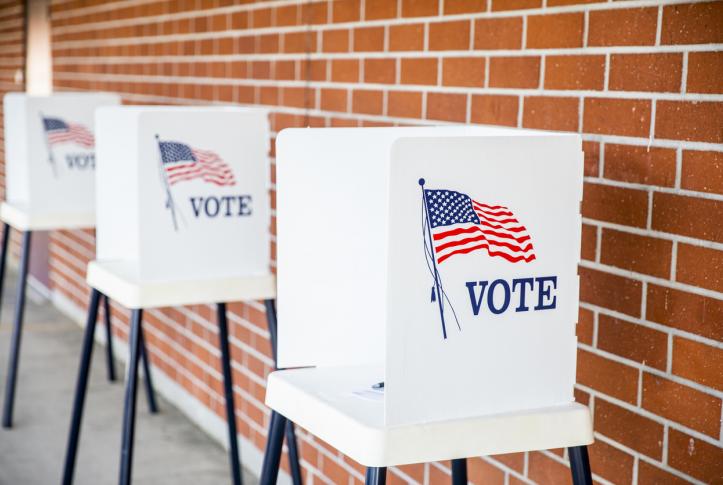
The “six-year itch” is the election held in the sixth year of a president’s tenure.
In this election, the party holding the White House historically …
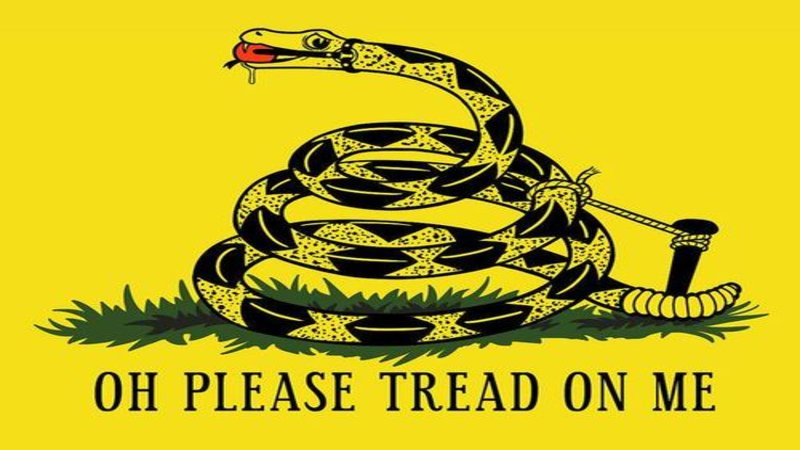
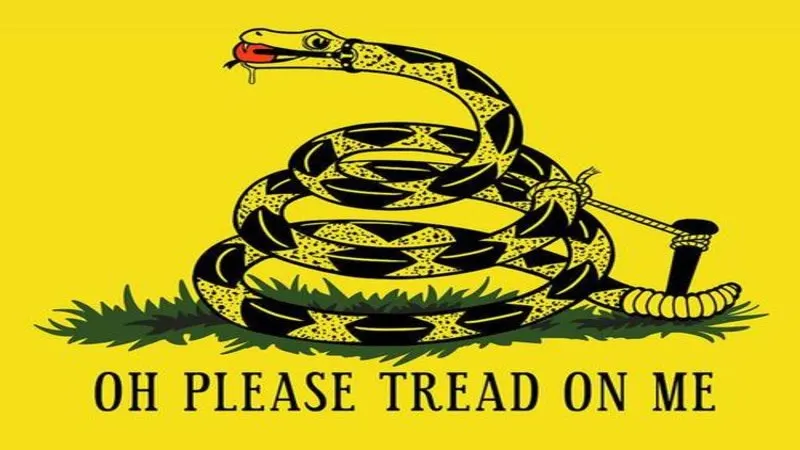
The term “cuckservative” is a pejorative used by alt-Right conservatives to insult moderate Republicans.
It implies they have sold out and is similar to the …
“Hiking the Appalachian Trail” is a euphemism for a politician who claims to be doing one thing but in reality went to meet with his …
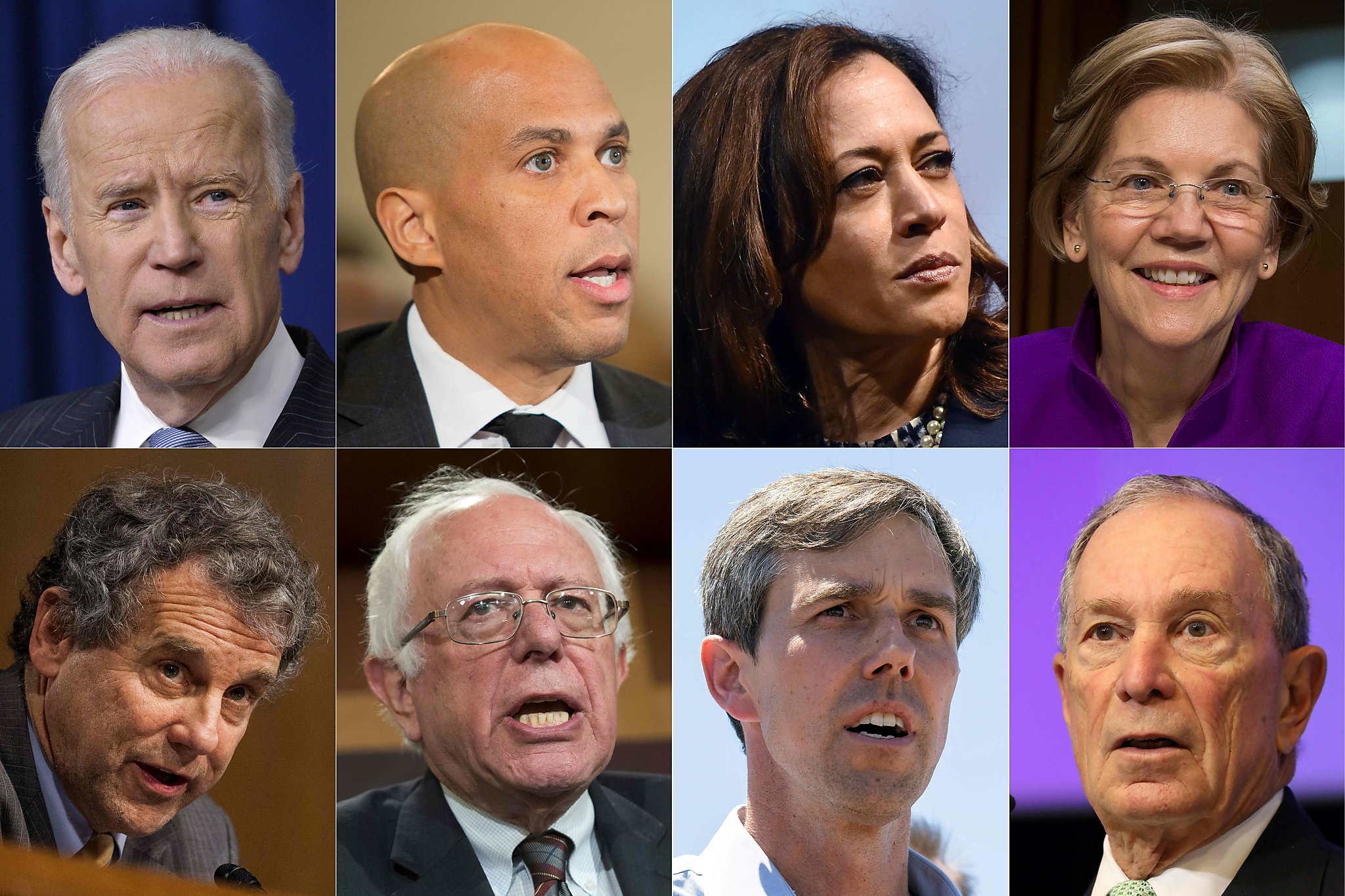
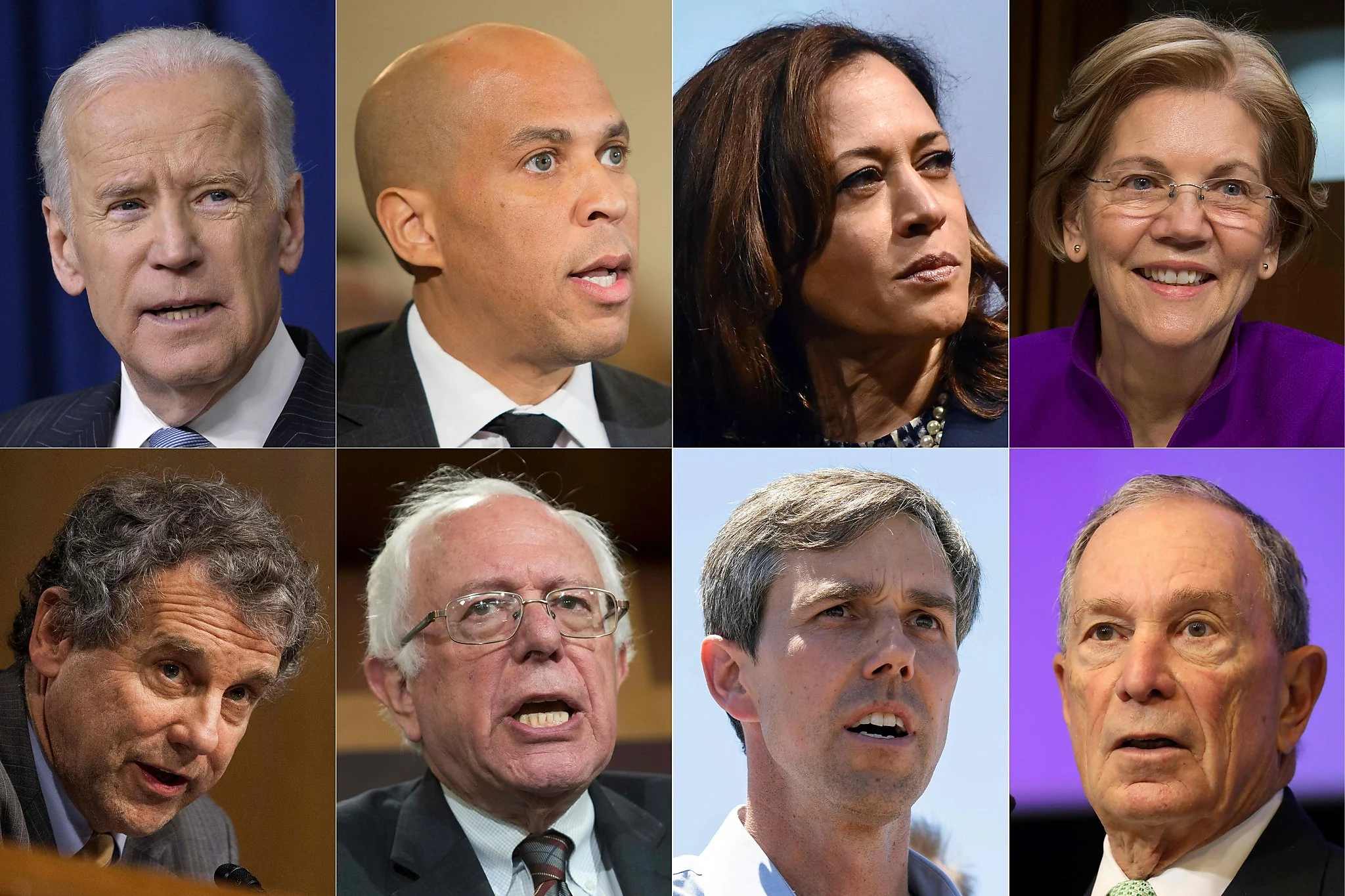
“The Great Mentioner” describes the phenomenon whereby certain people are “mentioned” to journalists as possible candidates for higher office.
It suggests that being mentioned or …
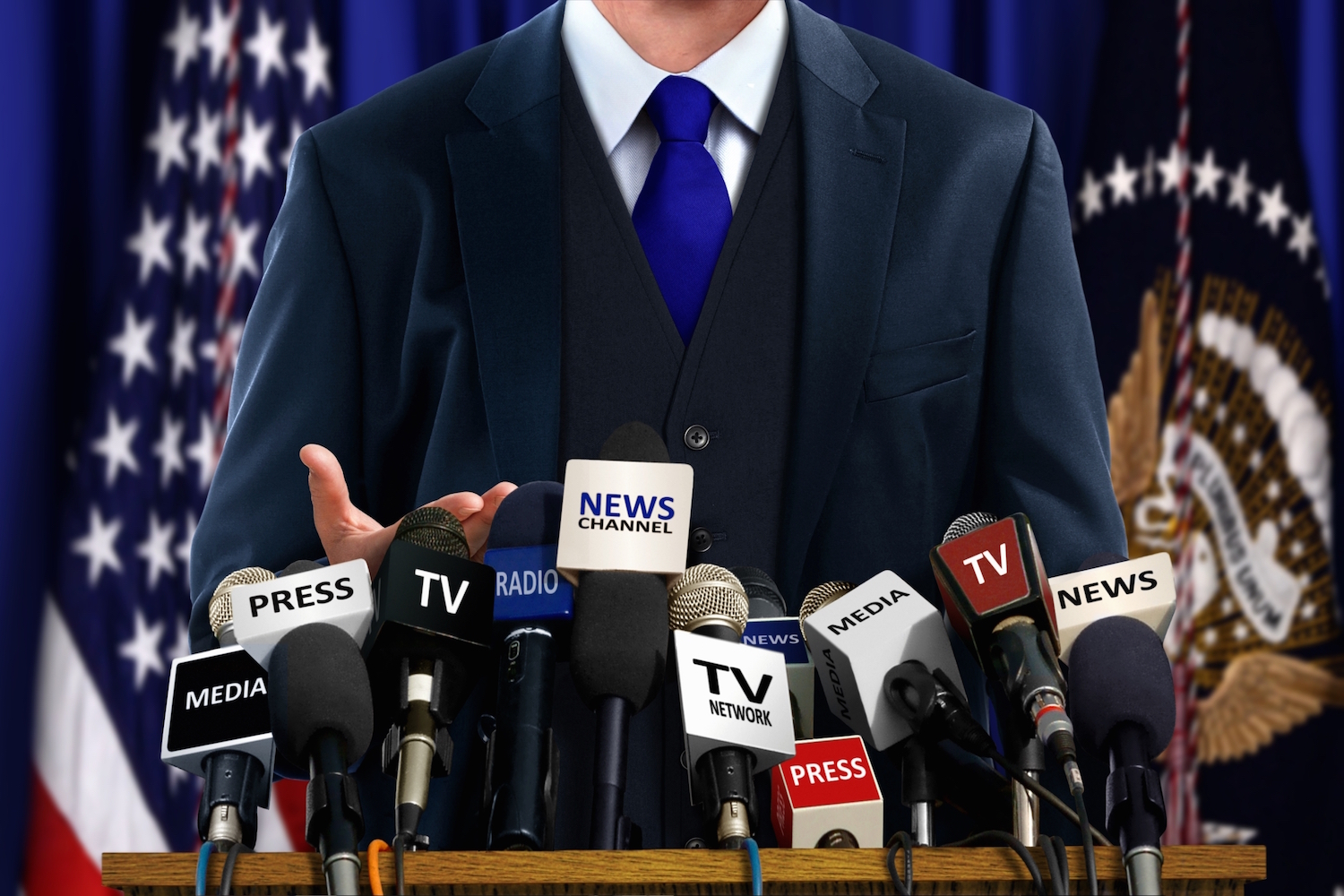
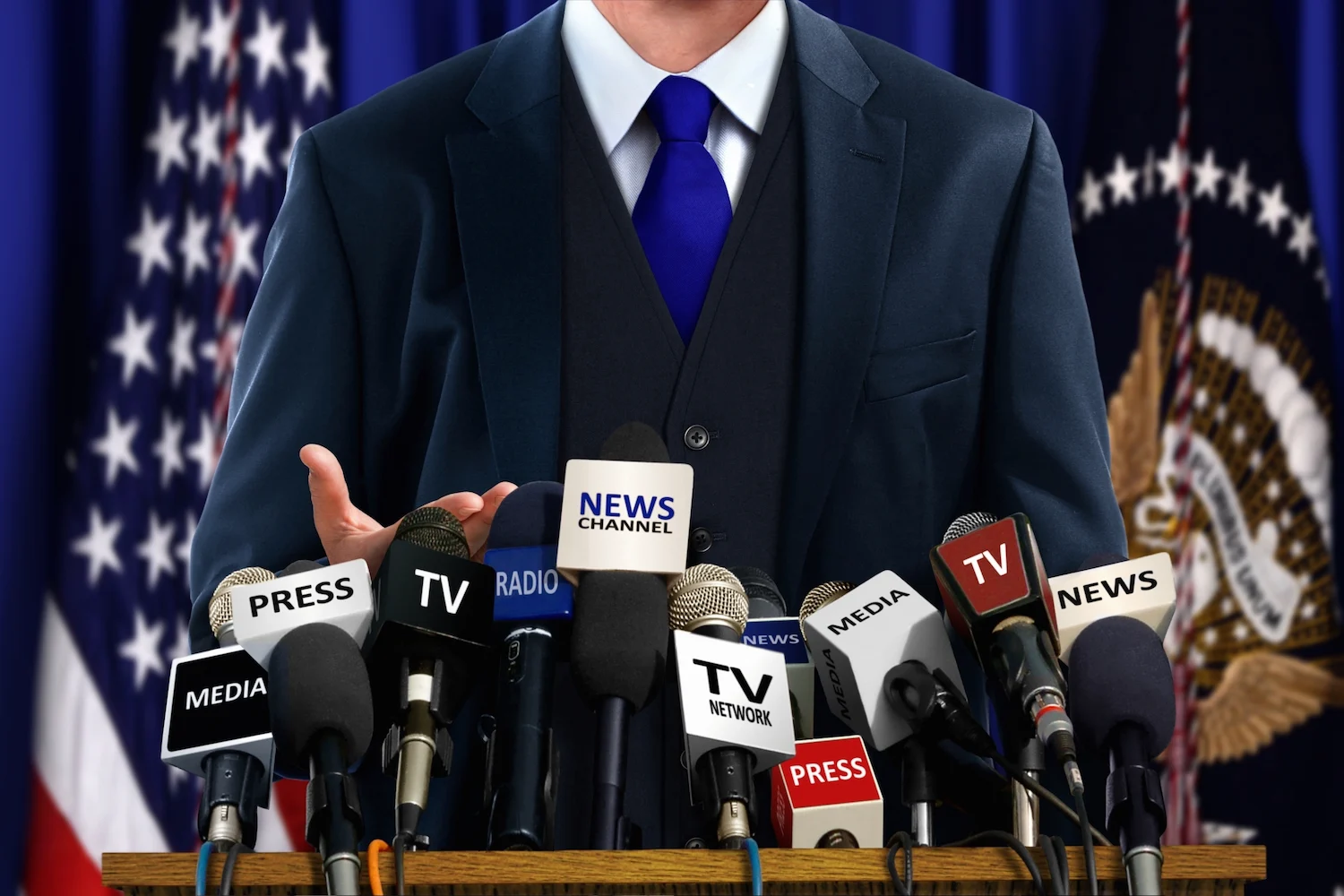
The term “pol” is short for “politician” and is often used to refer to a person who is actively involved in politics, either as an
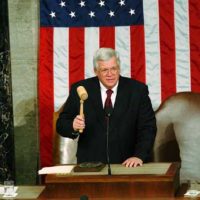
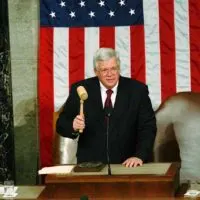
The Hastert rule is an informal guiding principle for leaders in the House of Representatives that dictates a majority of the majority party support any …
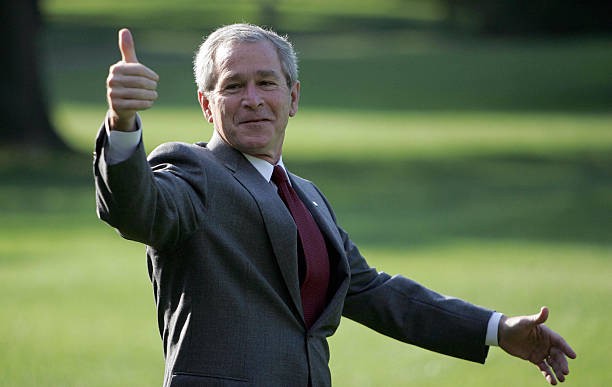
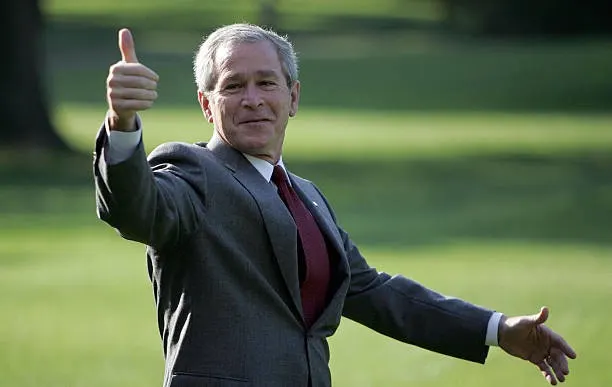
“Misunderestimate” is a malapropism invented by President George W. Bush that has come to mean “to underestimate by mistake.”
Bush accidentally used the term in …
A “boondoggle” is a wasteful or extravagant project with no practical value.
Usually, a boondoggle makes use of public funds and carries at least a …
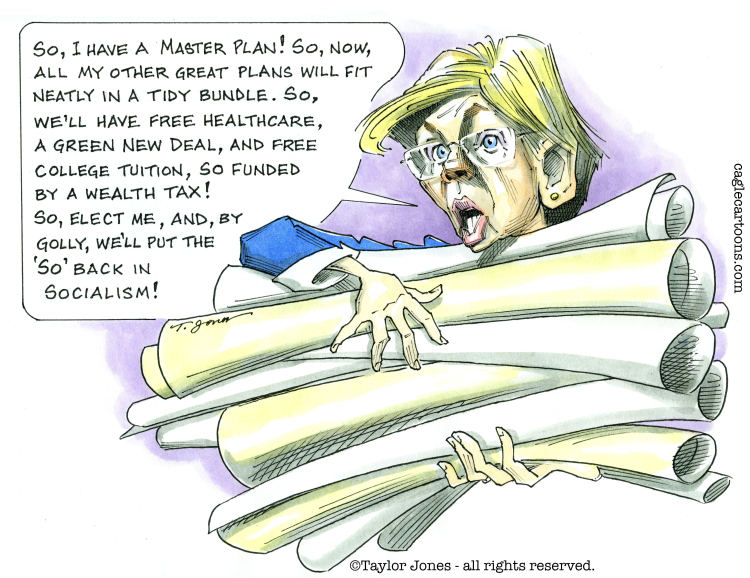
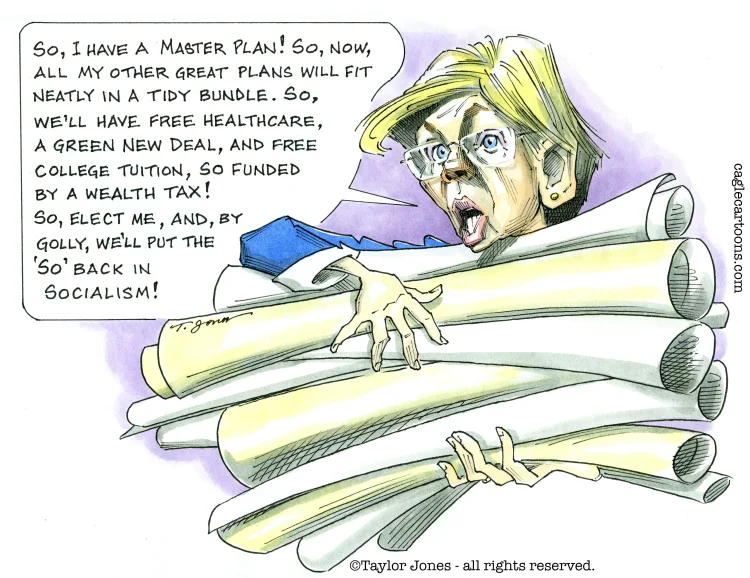
A “wonk” is a person preoccupied with arcane details of public policy and governance.
For instance, a policy wonk takes an intense interest in the …